menu

Musty Smells & Odor Removal in San Diego – We Eliminate the Source, Not Just the Symptom

Keystone Water Damage Restoration San Diego uses thermal imaging and hydroxyl generators to locate hidden moisture pockets and neutralize musty odors at the molecular level, so your property stays odor-free long after we leave.

Slider Image 1
Slider Image 2
Slider Image 3
Slider Image 4
Slider Image 5
Slider Image 7
Slider Image 8
Slider Image 9
Slider Image 10
Slider Image 11

Why Your San Diego Property Smells Like Mildew Even After Cleaning

You scrubbed the walls. You ran three air fresheners. The musty smell came back in two days.

That smell is not dirt. It is active microbial growth feeding on moisture you cannot see. San Diego's coastal humidity creates the perfect breeding ground for mold and mildew, especially in homes built before modern vapor barriers became standard in the 1980s. Add in the marine layer that rolls through Point Loma, Pacific Beach, and La Jolla, and you have year-round damp conditions that seep into crawl spaces, attics, and wall cavities.

Musty odors signal one thing: water is present where it should not be. That water could come from a slow plumbing leak, condensation on poorly insulated HVAC ducts, or groundwater intrusion through slab foundations common in older San Diego neighborhoods like North Park and Normal Heights. The damp smell you notice is volatile organic compounds released as mold metabolizes cellulose in drywall, insulation, and framing lumber.

Neutralizing musty odors requires more than surface cleaning. You need to find the moisture source, remove contaminated materials, and treat the air and surfaces with targeted antimicrobial agents. Surface deodorizers mask the problem. Professional mildew odor elimination fixes it.

If you smell mildew, you have a moisture problem. If you have a moisture problem in San Diego's humid coastal climate, the clock is ticking.

Why Your San Diego Property Smells Like Mildew Even After Cleaning
How We Remove Musty Odors Without Leaving Chemical Residue

How We Remove Musty Odors Without Leaving Chemical Residue

We do not spray air freshener and call it done. Removing moldy scents requires a multi-phase approach that targets the microbial source, extracts contaminated materials, and neutralizes airborne odor molecules.

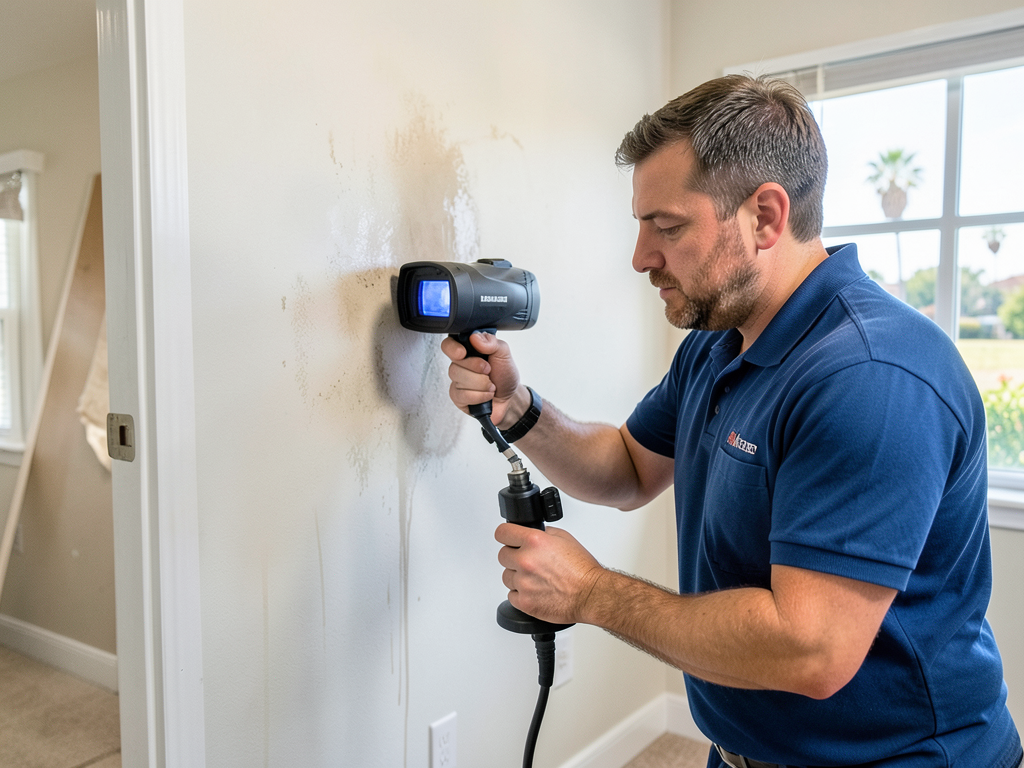
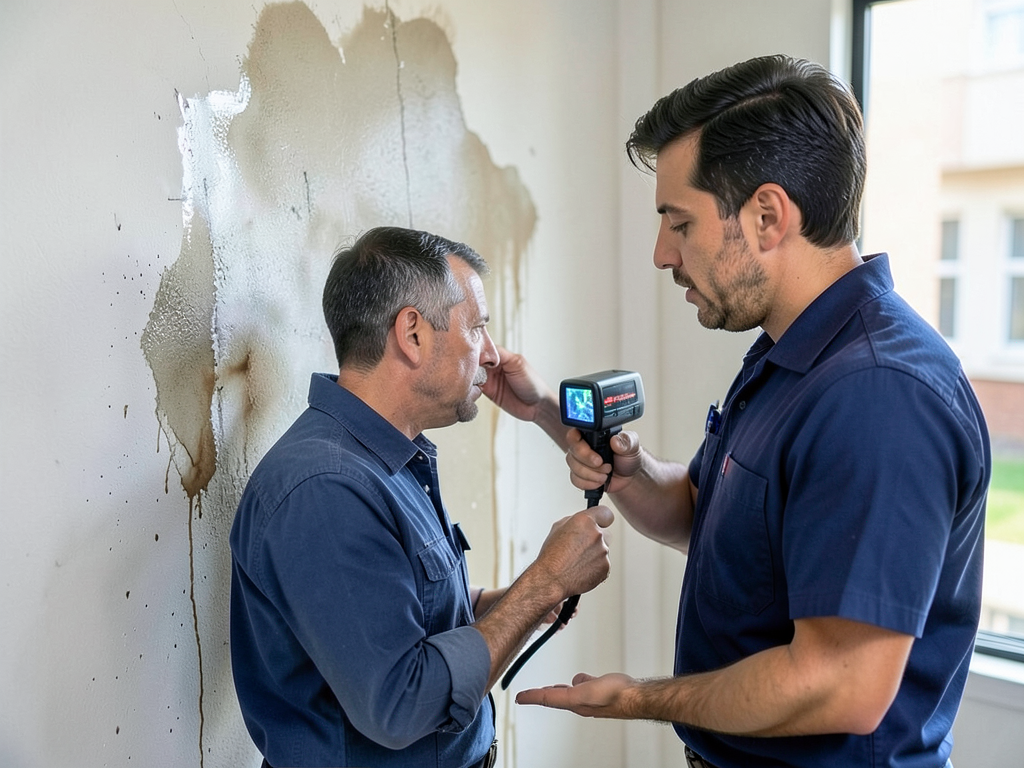
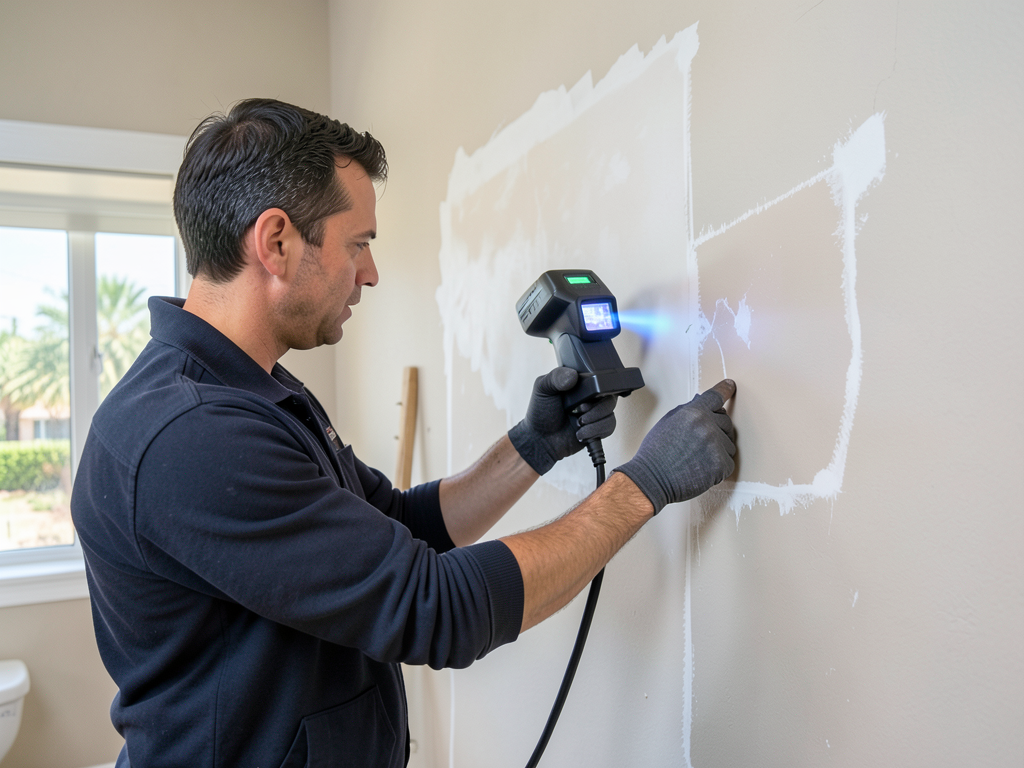
First, we use thermal imaging cameras to map temperature differentials that indicate hidden moisture. Cold spots on interior walls often reveal wet insulation or active leaks behind drywall. We pair this with moisture meters that measure material saturation levels in wood framing, subfloors, and drywall. If readings exceed 17 percent moisture content, microbial growth is likely.

Next, we establish containment zones using negative air pressure to prevent cross-contamination. HEPA-filtered air scrubbers run continuously to capture airborne mold spores and odor particles. We remove water-damaged materials, including soaked insulation, baseboards, and drywall, and dispose of them according to EPA guidelines.

For damp smell remediation, we deploy hydroxyl generators. Unlike ozone machines, which require full property evacuation and leave a chemical smell, hydroxyl generators use UV light to create safe oxidizing molecules that break down odor compounds at the molecular level. You can remain in the property during treatment.

We treat structural surfaces with antimicrobial solutions that inhibit future microbial growth. We then dry the affected areas using commercial dehumidifiers and high-velocity air movers until moisture readings return to baseline.

Final step: post-remediation air quality testing to verify odor elimination and confirm spore counts are within normal limits. This is how eradicating water damage smells works when done correctly.

What Happens During Professional Odor Remediation

Musty Smells & Odor Removal in San Diego – We Eliminate the Source, Not Just the Symptom
01

Moisture Source Detection

We start with a full moisture audit using thermal cameras and penetrating moisture meters. Hidden leaks behind tile showers, under slab foundations, and inside wall cavities are the most common culprits in San Diego homes. We map every moisture anomaly and document baseline readings before remediation begins. Finding the source is the only way to stop odors from returning.
02

Contaminated Material Removal

Once we locate the moisture intrusion, we remove all compromised materials. Wet drywall, saturated insulation, and mold-contaminated baseboards are cut out and bagged for disposal. We use containment barriers and HEPA filtration to prevent spore spread during demolition. This phase eliminates the substrate mold feeds on, which is critical for long-term mildew odor elimination in humid coastal climates like San Diego.
03

Air Treatment and Verification

After material removal, we treat the air and remaining surfaces. Hydroxyl generators run for 24 to 72 hours depending on odor severity, breaking down volatile organic compounds at the molecular level. We dry the structure to below 15 percent moisture content using commercial dehumidifiers. Final air quality testing confirms the space is odor-free and safe for reoccupation. You get documentation of the entire process.

Why San Diego Homeowners Trust Keystone for Odor Removal

Musty smells do not disappear on their own. They grow worse. San Diego's unique microclimate creates year-round humidity that accelerates mold growth faster than in dry inland areas. We understand how the marine layer affects moisture accumulation in attics, how poor grading around 1950s-era slab foundations causes groundwater intrusion, and how undersized HVAC systems in older homes create condensation problems that lead to chronic odor issues.

We have worked in every San Diego neighborhood, from the historic Craftsman homes in Mission Hills to the mid-century ranches in Allied Gardens. We know which building materials were used in each era and how they respond to moisture exposure. That matters when deciding what to remove and what to treat in place.

Our technicians hold IICRC certifications in water damage restoration and applied microbial remediation. We do not subcontract the work. Every job is completed by our team using our equipment, so quality control stays consistent.

We also work directly with insurance adjusters. If your musty smell is tied to a covered water loss, we document the damage, provide detailed estimates, and communicate directly with your carrier to streamline the claims process. You do not need to translate between the restoration crew and the insurance company.

Keystone Water Damage Restoration San Diego does not mask odors. We eliminate them. That requires finding the moisture source, removing contaminated materials, treating the air, and verifying results with third-party testing. This is how you get a property that smells clean and stays that way.

What You Can Expect From Start to Finish

Emergency Response Time

We dispatch within two hours of your call. Musty odors indicate active moisture, and every hour that moisture sits increases microbial growth. We operate 24/7 because water damage does not wait for business hours. When you call, you speak to a technician, not an answering service. We assess urgency over the phone and route the closest crew to your property. For non-emergency odor complaints, we schedule same-day or next-day inspections depending on availability.

Comprehensive Moisture Inspection

Your initial inspection includes thermal imaging, moisture mapping, and a written assessment of affected areas. We explain what we found, why the odor developed, and what needs to happen to eliminate it. You receive a detailed scope of work before any demolition begins. If testing reveals mold growth beyond normal levels, we provide air quality sampling results and explain remediation protocols. There are no surprises. You know what the project involves before we start cutting drywall.

Odor-Free, Verified Results

When we finish, the space smells neutral. Not like chemicals. Not like artificial fragrance. Just clean. We verify this with post-remediation air testing that measures airborne spore counts and confirms moisture levels have returned to normal. You receive a certificate of completion and lab results showing the air quality meets industry standards. This documentation is critical if you plan to sell the property or need to satisfy insurance requirements. The odor is gone because the source is gone.

Ongoing Moisture Monitoring

After remediation, we provide guidance on preventing future moisture intrusion. This might include improving crawl space ventilation, regrading soil around the foundation, or upgrading bathroom exhaust fans. If your property is prone to humidity issues due to its proximity to the coast, we can install continuous dehumidification systems that maintain ideal moisture levels year-round. We also offer follow-up inspections to verify the problem has not returned. Preventing musty odors is easier than removing them.

Frequently Asked Questions

You Have Questions,
We Have Answers

How to get rid of a strong musty smell? +

Strong musty smells require identifying the source first. Check crawl spaces, basements, and areas under sinks for hidden moisture or mold growth. In San Diego's coastal climate, humidity can accumulate in closed-off spaces. Increase ventilation by opening windows and running exhaust fans. Remove contaminated materials like old carpet or drywall if mold is present. Run a dehumidifier to drop moisture levels below 50 percent. Professional remediation may be needed if the odor persists after surface cleaning, as mold often hides inside wall cavities or HVAC ducts where you cannot reach it.

What causes musty smell in a house? +

Musty smells signal moisture problems and microbial growth. Common causes include roof leaks, plumbing failures, poor ventilation, and foundation seepage. In San Diego, ocean fog and marine layer moisture can penetrate older homes without proper vapor barriers. Condensation forms on cold surfaces when warm, humid air meets cooler walls or windows. Crawl spaces with exposed dirt floors release moisture vapor that stagnates in still air. HVAC systems with clogged drain pans or dirty coils also create ideal conditions for mold and bacteria. The smell comes from microbial volatile organic compounds released during growth.

How to get rid of bad smell in house fast? +

Fast odor removal starts with eliminating the moisture source. Open all windows to create cross-ventilation and flush out stale air. Run dehumidifiers and fans to dry damp areas quickly. Remove visible mold with detergent and water, then bag contaminated materials immediately. Baking soda placed in open containers absorbs airborne odors temporarily. Activated charcoal filters work faster for serious smells. Avoid masking agents like air fresheners, which only hide the problem. If the smell returns within hours, you have hidden contamination that needs professional assessment. San Diego's mild climate allows for extended ventilation periods year-round.

Does vinegar absorb musty smell? +

Vinegar neutralizes some odors but does not remove the source. White vinegar's acetic acid kills surface mold and bacteria on non-porous materials like tile or glass. Spray undiluted vinegar, wait one hour, then wipe clean. The vinegar smell dissipates as it dries. It does not penetrate porous materials like drywall or wood where mold roots embed deeply. Vinegar also does not reduce humidity or fix leaks. Use it for small surface issues, not systemic contamination. For persistent musty smells in San Diego homes, especially in moisture-prone areas, you need moisture control and professional remediation.

What is the most powerful odor eliminator? +

Activated carbon filters provide the most effective odor elimination for airborne molecules. These filters trap volatile organic compounds through adsorption, physically bonding odor particles to the carbon surface. Hydroxyl generators and ozone machines oxidize odor molecules at the molecular level but require careful use in unoccupied spaces. HEPA air scrubbers remove mold spores but not odors themselves. Enzymatic cleaners break down organic matter on surfaces. No product eliminates odors if the moisture source remains active. Professional remediation combines source removal, antimicrobial treatment, controlled demolition of contaminated materials, and air filtration to fully resolve severe odor problems.

Is a musty smell always mold? +

Musty smells usually indicate mold or mildew, but not always. Bacteria colonies on damp surfaces produce similar odors. Stagnant water in drains releases sewer gases that smell earthy and damp. Rodent urine and droppings in wall voids create musky odors that worsen with humidity. Old building materials like horsehair plaster absorb moisture and release musty compounds without visible mold growth. Pet accidents on carpet padding generate bacterial smells that mimic mildew. In San Diego's older neighborhoods, decaying wood framing in crawl spaces produces odors without active mold. Professional inspection with moisture meters identifies the true cause.

What is the hardest smell to get rid of in a house? +

Smoke damage creates the most persistent odor in homes. Fire and cigarette smoke particles penetrate porous materials at the microscopic level. Soot residue embeds in drywall, insulation, and wood framing where cleaning cannot reach. Pet urine that soaks into subfloors also resists standard cleaning because uric acid crystals reactivate with humidity. Decomposition odors from undetected rodent carcasses in walls require locating and removing the source. These smells need specialized equipment like thermal foggers, ozone treatment, or demolition of contaminated materials. Standard air fresheners and surface cleaning fail because the odor source remains embedded.

How to make an old musty house smell good? +

Making an old musty house smell fresh requires eliminating trapped moisture first. Inspect the crawl space for standing water or damp soil, common in San Diego's clay-heavy soils. Seal foundation cracks and install vapor barriers over exposed dirt. Clean or replace HVAC filters and ducts where dust and mold accumulate. Remove old carpet that holds decades of embedded odors. Repaint walls with mold-resistant primer after confirming surfaces are dry. Run dehumidifiers to maintain 40 to 50 percent humidity. Replace weather stripping around doors and windows to improve ventilation. Address these structural issues before cosmetic fixes.

Can dehumidifiers remove musty smells? +

Dehumidifiers reduce musty smells by lowering humidity below the threshold where mold and bacteria thrive. Mold needs moisture levels above 60 percent to grow actively. Running a dehumidifier drops humidity to 40 to 50 percent, stopping new growth and reducing odor production. Existing contamination still smells until you physically remove it. Dehumidifiers work best in enclosed spaces like basements or crawl spaces where moisture concentrates. In San Diego's coastal areas, continuous dehumidification prevents marine layer moisture from accumulating inside closed homes. Pair dehumidifiers with proper ventilation and source repairs for lasting results.

What pulls odor out of the air? +

Air filtration systems with activated carbon pull odor molecules from the air through adsorption. Carbon's porous structure traps volatile organic compounds as air passes through the filter. HEPA filters capture airborne mold spores and particulates but do not remove odor gases. Hydroxyl generators and ozone machines oxidize odor molecules by altering their chemical structure, breaking them down into odorless compounds. Natural ventilation dilutes odor concentration by replacing contaminated indoor air with fresh outdoor air. In San Diego's mild climate, open windows combined with exhaust fans effectively flush odors when outdoor air quality permits extended ventilation.

How San Diego's Coastal Climate Accelerates Mold and Odor Problems

San Diego sits in a unique humidity zone. The marine layer brings consistent moisture from May through August, creating ideal conditions for mold growth in properties without proper vapor barriers or ventilation. Older homes in Clairemont, Kensington, and City Heights were built before modern building codes required moisture management systems. These structures absorb humidity through crawl spaces, attics, and poorly sealed windows. Add in irrigation overspray, leaking sprinklers, and poor drainage around slab foundations, and you have a perfect storm for chronic musty odors. Damp smell remediation in San Diego requires understanding how coastal humidity interacts with building materials common to the region.

Local restoration contractors who specialize in odor removal understand San Diego's building stock. We know how post-tension slab foundations crack and allow groundwater seepage. We know how stucco absorbs water during winter rains and traps it against wood framing. We know how undersized HVAC systems in mid-century homes create condensation on ductwork. This is not information you get from a national franchise. This is boots-on-the-ground experience working in San Diego properties for years. When you call a local team, you get someone who has seen your exact problem in a dozen other homes in your neighborhood.
Water Damage Restoration Services in The San Diego Area

We are proud to serve the entire San Diego area and invite you to view our service region on the map below. While our emergency response team is mobile and always ready to dispatch to your location rapidly, our central operations base allows us to coordinate efficient service across all of San Diego County. Contact us today for immediate assistance, no matter where your property is located within our service area.

Address:
Keystone Water Damage Restoration San Diego, 4445 Eastgate Dr, San Diego, CA, 92121

Additional Services We Offer

Our news updates

Latest Articles & News from The Blogs

Who Pays for Water Damage When a Neighbor’s Leak Affects Your San Diego Condo Discovering water damage in your condo…

Navigating Liability When a Neighbors Apartment Leaks into Your San Diego Condo

Who Pays for Water Damage When a Neighbor’s Leak Affects Your San Diego Condo Discovering water damage in your condo…

The Critical Steps Your Restoration Team Takes in the First Forty Eight Hours

The Critical Steps Your Restoration Team Takes in the First Forty Eight Hours When water invades your home in San…

Should You Try In Place Drying or Choose a Full Rip Out After a San Diego Flood

Should You Try In Place Drying or Choose a Full Rip Out After a San Diego Flood San Diego homeowners…

Contact Us

You do not have to live with mildew odors. Call Keystone Water Damage Restoration San Diego at (858) 203-2555. We will inspect your property, locate the moisture source, and eliminate the smell at its root. Same-day service available.