menu

High Indoor Humidity Levels in San Diego – Expert Diagnosis and Permanent Solutions for Your Home

When high relative humidity indoors damages your walls, floors, and health, our technicians pinpoint the moisture source and restore safe indoor air quality for San Diego homes.

Slider Image 1
Slider Image 2
Slider Image 3
Slider Image 4
Slider Image 5
Slider Image 7
Slider Image 8
Slider Image 9
Slider Image 10
Slider Image 11

Why San Diego Homes Struggle with Elevated Indoor Humidity

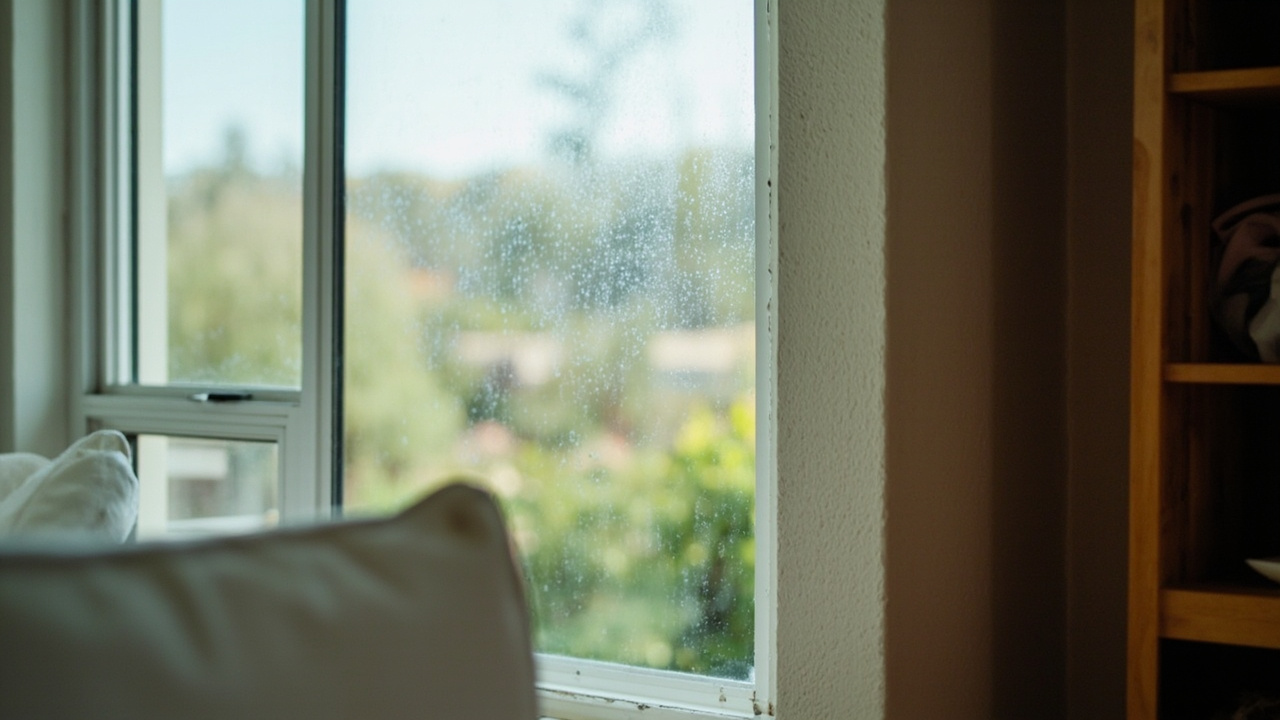
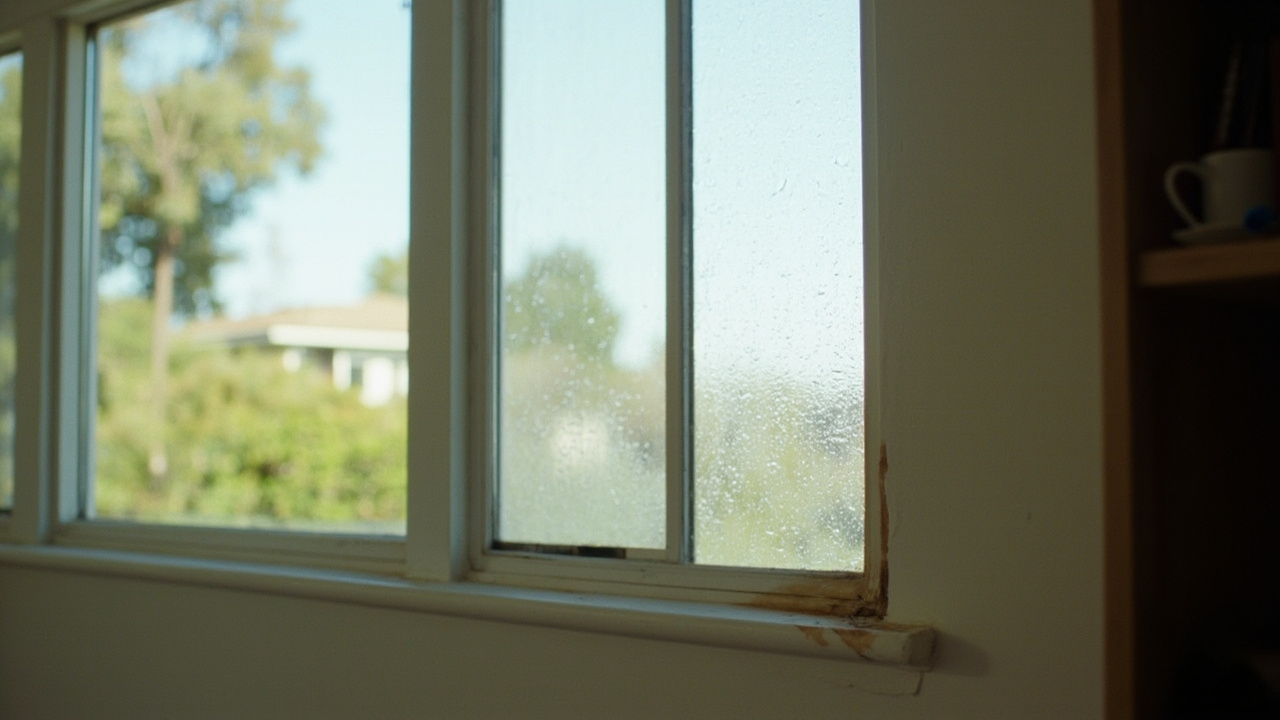
You walk into your home and the air feels heavy. Your windows fog up even when it's not raining. You notice condensation on the glass or a musty smell in the closets. These are the warning signs of excessive indoor moisture, and in San Diego, the problem is more common than you think.

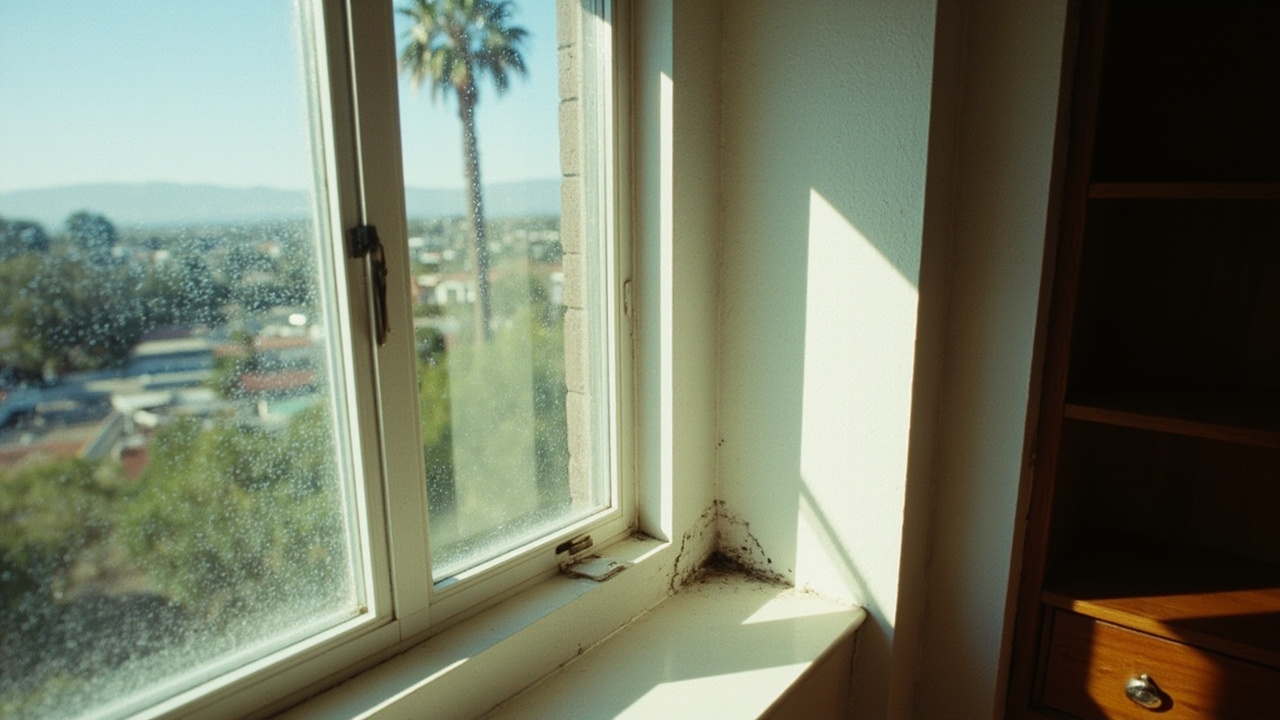
San Diego's coastal location creates a unique challenge. Marine layer fog rolls in from the Pacific, saturating the air with moisture. When that humid air enters your home through gaps in weatherstripping, open windows, or poor ventilation, it collides with cooler indoor surfaces. The result is condensation, dampness, and a breeding ground for mold.

High relative humidity indoors does more than make your home uncomfortable. It warps hardwood floors, peels paint, and creates conditions where mold colonies thrive in 24 to 48 hours. In neighborhoods like Point Loma and Ocean Beach, homes built before modern vapor barriers were standard face even greater risk. The lack of proper moisture control in older construction means walls and crawl spaces trap humidity, compounding the problem.

Excess humidity in house environments also affects your health. Dust mites multiply in humid conditions, triggering allergies and asthma. Mold spores circulate through your HVAC system, impacting every room. The longer you ignore elevated home humidity, the more damage accumulates in hidden spaces like wall cavities and under flooring. What starts as a comfort issue becomes a structural and health crisis.

Why San Diego Homes Struggle with Elevated Indoor Humidity
How We Eliminate Indoor Moisture Problems at the Source

How We Eliminate Indoor Moisture Problems at the Source

Fixing high indoor humidity levels requires more than running a dehumidifier. You need to understand where the moisture originates and how it moves through your home. Our approach starts with hygrometer readings in every room to map the humidity gradient. We measure relative humidity at multiple heights because moisture stratifies. Warm, humid air rises and condenses on cooler surfaces near the ceiling, while basements and crawl spaces often show different readings.

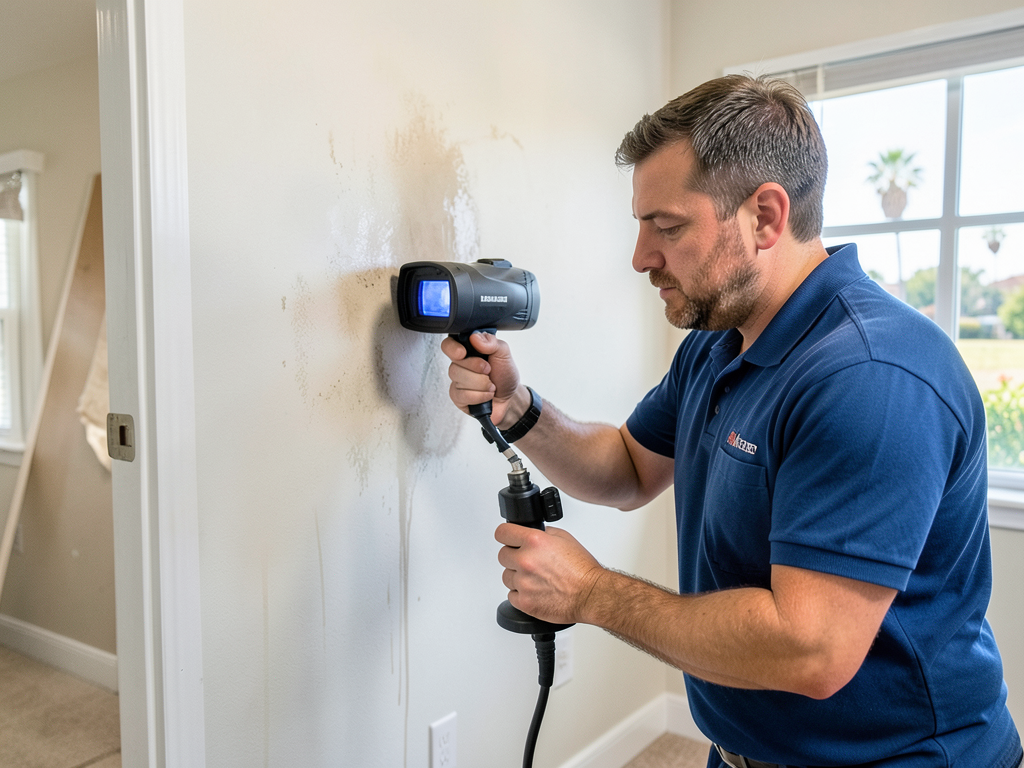
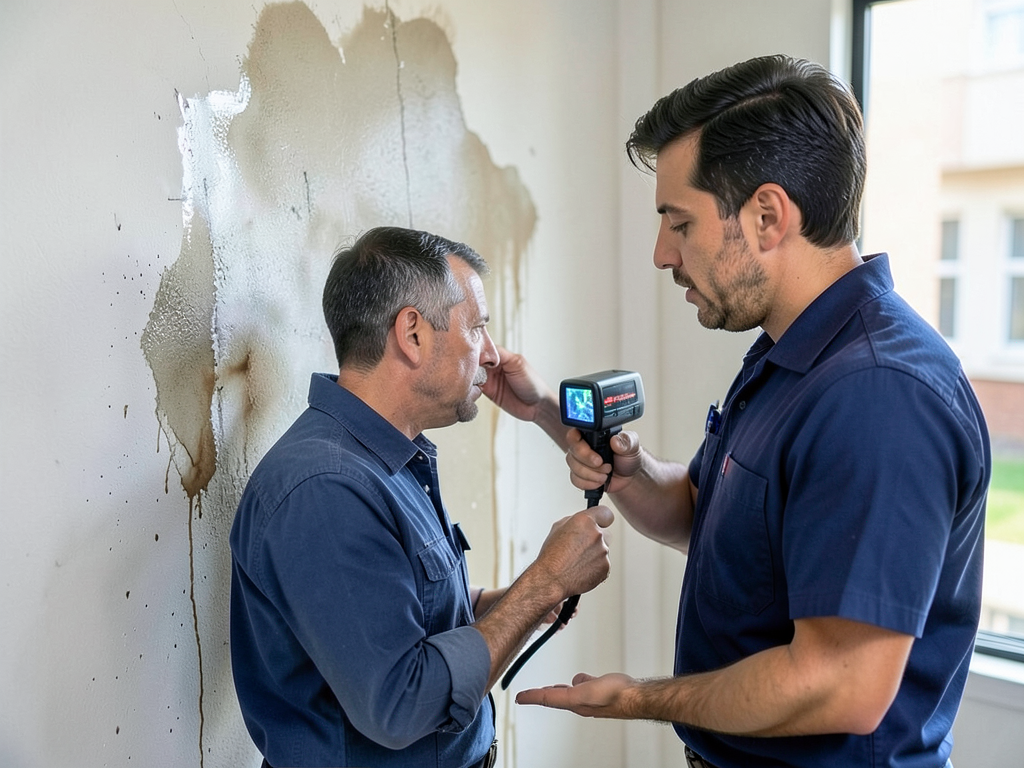
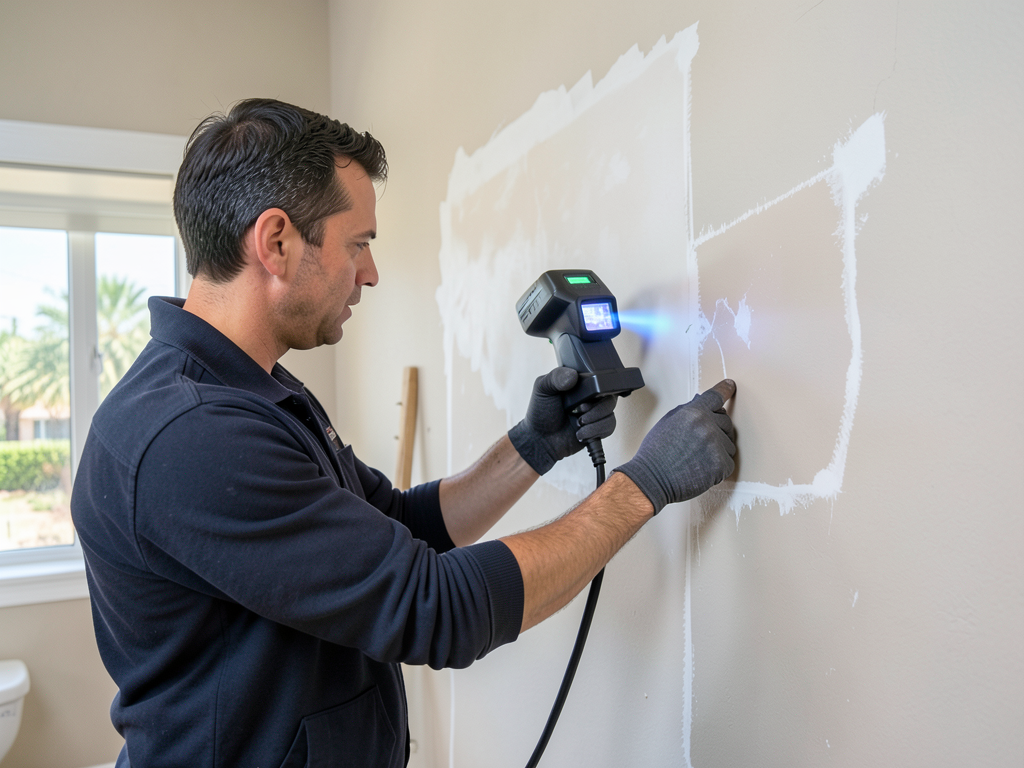
We use thermal imaging cameras to detect temperature differentials that indicate moisture intrusion. Cold spots on interior walls suggest inadequate insulation or air leaks where humid outdoor air infiltrates. We inspect your HVAC system because oversized units short-cycle, cooling the air without removing enough moisture. An improperly sized air conditioner drops the temperature but leaves the air saturated, creating that clammy feeling.

Our technicians check your home's vapor barrier integrity in crawl spaces and attics. In many San Diego homes, especially in areas like La Jolla and Clairemont, vapor barriers were never installed or have degraded. We measure moisture levels in the soil beneath your home. Ground moisture can wick up through concrete slabs or evaporate into crawl spaces, adding gallons of water vapor to your indoor air daily.

We also evaluate your ventilation strategy. Bathrooms and kitchens generate huge amounts of moisture, and if exhaust fans vent into attics instead of outdoors, that moisture condenses on roof sheathing. We test airflow with manometers to ensure your home breathes correctly. The goal is to create a balanced system where moisture is controlled mechanically and structurally, not just masked temporarily.

What Happens When You Call Us About Humid Indoor Air

High Indoor Humidity Levels in San Diego – Expert Diagnosis and Permanent Solutions for Your Home
01

Comprehensive Moisture Assessment

We arrive with calibrated hygrometers, moisture meters, and thermal imaging equipment to measure humidity in every zone of your home. We document readings in living spaces, attics, crawl spaces, and wall cavities. You get a detailed map showing exactly where excessive indoor moisture originates and how severe the problem is. This diagnostic phase typically takes 60 to 90 minutes depending on home size.
02

Targeted Moisture Mitigation

Based on the assessment, we implement solutions tailored to your specific moisture sources. This can include installing vapor barriers, sealing air leaks, upgrading ventilation systems, or sizing dehumidification equipment correctly. We address structural issues like poor drainage around the foundation or inadequate attic ventilation. Each intervention targets the root cause, not just the symptom. Our work follows California Title 24 energy efficiency standards to ensure proper moisture control without wasting energy.
03

Verification and Monitoring Plan

After mitigation, we take follow-up hygrometer readings to confirm indoor humidity has dropped to the safe range of 30 to 50 percent relative humidity. We provide you with a monitoring plan and recommend checking humidity levels seasonally, especially during San Diego's June gloom and winter rains. You receive documentation of all work completed, including before and after moisture readings, so you have a clear record of the improvement.

Why San Diego Homeowners Trust Our Indoor Humidity Solutions

Indoor moisture problems in San Diego require someone who understands how coastal climate interacts with local building practices. We have worked in homes from Mission Bay to Carmel Valley, and we know how different construction eras handle moisture differently. Homes built in the 1950s and 1960s often lack vapor barriers entirely. Properties from the 1980s may have poorly installed barriers that created new problems. Modern builds sometimes over-seal homes without adequate mechanical ventilation, trapping moisture inside.

Keystone Water Damage Restoration San Diego has spent years diagnosing elevated home humidity in every type of structure. We understand how the marine layer affects homes near the coast differently than homes inland in areas like Mira Mesa or Scripps Ranch. We know that San Diego's mild winters mean crawl spaces rarely freeze, but they stay damp year-round, creating persistent mold risk. Our technicians are trained to identify the subtle signs of moisture migration that generic HVAC companies miss.

We also work closely with insurance adjusters when high relative humidity indoors has caused mold growth or structural damage. We document our findings with moisture mapping and photographic evidence that supports your claim. Many homeowners discover their humidity problem only after mold appears, and by then, the damage is extensive. We handle both the diagnostic work and the remediation, so you are not coordinating between multiple contractors.

You are not getting a one-size-fits-all solution. Every home has a unique moisture profile based on its age, location, construction type, and occupant behavior. We build a custom mitigation plan that addresses your specific conditions. That is why referrals make up a significant portion of our business. When neighbors see your home stay dry and comfortable, they want the same results.

What to Expect When You Address High Indoor Humidity

Response Time and Availability

We schedule moisture assessments within 24 to 48 hours of your call. High indoor humidity is not an emergency like a burst pipe, but it is urgent because mold can colonize damp surfaces in as little as 48 hours. If you are seeing condensation, smelling mildew, or dealing with warped floors, time matters. We prioritize appointments for homes showing active moisture damage or mold growth. Our assessment appointments are scheduled in two-hour windows, and we call 30 minutes before arrival so you are not waiting around all day.

The Diagnostic Process

Our initial assessment is thorough because accurate diagnosis is everything. We take hygrometer readings in every major zone of your home, including spaces you rarely enter like attics and crawl spaces. We use moisture meters to check wall cavities and flooring for hidden dampness. Thermal imaging reveals temperature patterns that indicate air leaks or insulation failures. You walk through the findings with us, and we explain what each reading means in plain language. We do not upsell unnecessary services. If your humidity problem is a simple fix like a broken bathroom fan, we tell you that upfront.

The Results You Get

When we finish mitigation work, your indoor humidity levels stabilize in the 30 to 50 percent range year-round. You notice the difference immediately. The air feels lighter. Windows stop fogging. That musty smell disappears. Wood floors and trim stop swelling and contracting with seasonal changes. Your HVAC system runs more efficiently because it is not fighting excess moisture. Most importantly, you eliminate the conditions that allow mold to grow, protecting both your home's structure and your family's respiratory health. These are measurable, lasting improvements.

Ongoing Monitoring and Support

We provide you with a written moisture control plan tailored to your home. This includes recommended humidity monitoring schedules, seasonal maintenance tips, and when to call us for follow-up checks. If we installed mechanical dehumidification equipment, we explain maintenance intervals and filter changes. Many clients schedule annual moisture assessments, especially before San Diego's rainy season in late fall and winter. We keep records of your home's moisture history, so if problems develop later, we have baseline data for comparison. You are not left guessing whether your humidity levels are normal.

Frequently Asked Questions

You Have Questions,
We Have Answers

Why is my house 75% humidity? +

Your house sits at 75% humidity because moisture sources exceed ventilation capacity. Common culprits include cooking steam, long showers, drying laundry indoors, or unvented appliances. Leaks from plumbing or the roof introduce hidden water. Poor air circulation traps moisture. In San Diego, coastal fog and marine layer moisture can infiltrate through gaps in weatherstripping or unsealed crawlspaces. HVAC systems that cycle too quickly may not remove enough moisture. Check for condensation on windows, musty smells, or damp spots. These signal excess moisture. Identify the source first, then address ventilation and dehumidification to bring levels down to a safe 30-50% range.

What happens if indoor humidity is too high? +

High indoor humidity fuels mold growth, dust mites, and structural damage. You will see condensation on windows, peeling paint, and warped wood floors. Mold spores spread through air ducts, triggering allergies and respiratory issues. San Diego's mild climate makes year-round mold growth possible if humidity stays elevated. High moisture corrodes metal fixtures and degrades insulation. Your HVAC system works harder, spiking energy bills. Fabrics and furniture absorb moisture, creating musty odors. Wood framing can rot over time. Prolonged exposure compromises indoor air quality and can lead to costly repairs. Address high humidity quickly to protect your health and home investment.

What is the ideal humidity for a baby? +

Babies thrive in 30-50% humidity. This range keeps airways moist without promoting mold or dust mites. Dry air below 30% irritates delicate nasal passages and skin. Humidity above 50% encourages allergens and respiratory problems. San Diego's coastal air can push indoor levels higher, especially in poorly ventilated nurseries. Use a hygrometer to monitor levels near the crib. Run a cool-mist humidifier if air feels dry, or a dehumidifier if condensation appears on windows. Keep the nursery temperature around 68-72°F. Proper humidity supports easier breathing, better sleep, and healthier skin for your baby.

What is an unsafe indoor humidity level? +

Indoor humidity above 60% is unsafe. This level accelerates mold colonization within 24-48 hours on damp surfaces. Dust mites thrive above 50%, worsening asthma and allergies. Levels above 70% cause visible condensation, wood rot, and paint failure. San Diego homes near the coast face higher baseline humidity from marine air. Unsafe humidity also stresses your HVAC system and degrades indoor air quality. You may notice sticky air, foggy windows, or a damp smell. Measure humidity with a digital hygrometer. If readings consistently exceed 60%, act immediately. Install exhaust fans, fix leaks, and consider a whole-home dehumidifier to restore safe levels.

How do you fix high humidity in your house? +

Fix high humidity by controlling moisture sources and improving ventilation. Run exhaust fans during showers and cooking. Repair plumbing leaks and roof damage promptly. Vent dryers outside, not into the home. Use a dehumidifier in damp areas like basements or laundry rooms. In San Diego, seal gaps around windows and doors to block marine layer moisture. Service your HVAC system to confirm it removes moisture properly. Increase air circulation with ceiling fans. Store firewood outside. Limit indoor plant watering. Check crawlspaces for standing water or wet insulation. Address the root cause, not just symptoms. Consistent ventilation and moisture control restore safe humidity levels.

Does opening a window reduce humidity? +

Opening a window can reduce humidity if outdoor air is drier than indoor air. In San Diego, this strategy works during dry inland Santa Ana wind conditions. During morning coastal fog or marine layer events, outdoor air carries more moisture and will raise indoor humidity. Check outdoor humidity with a weather app before opening windows. Cross-ventilation helps when outdoor levels are low. Pair open windows with exhaust fans to push moist air out. This method is temporary and weather-dependent. For consistent control, rely on dehumidifiers and mechanical ventilation. Windows alone will not solve chronic high humidity caused by leaks or poor HVAC performance.

Can you get sick if your house is too humid? +

Yes, high humidity makes you sick. Mold spores trigger asthma attacks, allergic reactions, and sinus infections. Dust mites multiply in humid conditions, worsening respiratory symptoms. Bacteria and viruses survive longer in moist air, increasing infection risk. You may experience headaches, fatigue, or skin irritation. San Diego's mild temperatures mean mold can grow year-round if humidity stays elevated. Prolonged exposure weakens immune response. Children and people with existing respiratory conditions are most vulnerable. High humidity also disrupts sleep quality and cognitive function. Monitor indoor levels with a hygrometer. Keep humidity between 30-50% to protect your health and prevent illness.

How to reduce high humidity in a room? +

Reduce room humidity by targeting moisture sources and boosting airflow. Use a portable dehumidifier sized for the square footage. Run exhaust fans or open windows when outdoor air is dry. Close bathroom and kitchen doors during steam-producing activities. Move houseplants to less humid rooms. Check for leaks under sinks or around windows. In San Diego, seal cracks where coastal moisture infiltrates. Use moisture-absorbing products like silica gel or calcium chloride in closets. Run a ceiling fan to circulate air. Wash and dry laundry outside the room. Clean HVAC filters monthly. Consistent ventilation and dehumidification bring levels back to a safe range.

Do dehumidifiers really work for humidity? +

Dehumidifiers work by pulling moisture from air and condensing it into a collection tank or drain line. Units are rated by pints removed per day. A properly sized dehumidifier for your square footage will lower humidity to 30-50%. They are most effective in enclosed spaces like bedrooms, basements, or laundry rooms. San Diego coastal homes benefit from dehumidifiers during high marine layer periods. Units do not fix the root cause like leaks or poor ventilation. They manage symptoms. Choose Energy Star models to control operating costs. Empty tanks regularly or install continuous drainage. Pair dehumidifiers with source control and ventilation for lasting results.

What is the 3 6 9 rule for babies? +

The 3-6-9 rule helps parents monitor baby development milestones, not humidity. At 3 months, babies should track objects and smile. At 6 months, they roll over and sit with support. At 9 months, they crawl and stand while holding furniture. This rule is unrelated to indoor air quality. For humidity concerns in your baby's room, maintain 30-50% year-round. San Diego's coastal air can push levels higher, so use a hygrometer to monitor. Proper humidity supports respiratory health and sleep quality. Focus on safe sleep practices, temperature control, and air circulation to create a healthy nursery environment for your baby.

How San Diego's Marine Layer Drives Chronic Indoor Moisture Issues

San Diego's coastal fog creates a persistent moisture challenge that inland cities do not face. The marine layer forms when cool Pacific Ocean air saturates with water vapor and drifts inland, often sitting over coastal neighborhoods for hours or days. When this humid air infiltrates your home through gaps around windows, doors, or attic vents, it condenses on cooler interior surfaces. The result is elevated home humidity that feels oppressive and damages materials. Homes within three miles of the coast, from Pacific Beach to Coronado, experience this phenomenon most intensely from May through July. The problem compounds in older homes where weatherstripping has degraded and vapor barriers were never installed.

Addressing excess humidity in house environments requires local expertise because national moisture control standards do not account for San Diego's specific climate. We understand that San Diego homes need different solutions than properties in Phoenix or Seattle. Our technicians are familiar with local building codes and how construction practices have evolved across different eras of development in neighborhoods like North Park, Hillcrest, and Rancho Bernardo. We work with the unique architectural styles common here, from Spanish Colonial Revival with stucco exteriors to mid-century modern homes with flat roofs. That local knowledge translates to faster diagnosis and more effective solutions for indoor moisture problems.
Water Damage Restoration Services in The San Diego Area

We are proud to serve the entire San Diego area and invite you to view our service region on the map below. While our emergency response team is mobile and always ready to dispatch to your location rapidly, our central operations base allows us to coordinate efficient service across all of San Diego County. Contact us today for immediate assistance, no matter where your property is located within our service area.

Address:
Keystone Water Damage Restoration San Diego, 4445 Eastgate Dr, San Diego, CA, 92121

Additional Services We Offer

Our news updates

Latest Articles & News from The Blogs

Who Pays for Water Damage When a Neighbor’s Leak Affects Your San Diego Condo Discovering water damage in your condo…

Navigating Liability When a Neighbors Apartment Leaks into Your San Diego Condo

Who Pays for Water Damage When a Neighbor’s Leak Affects Your San Diego Condo Discovering water damage in your condo…

The Critical Steps Your Restoration Team Takes in the First Forty Eight Hours

The Critical Steps Your Restoration Team Takes in the First Forty Eight Hours When water invades your home in San…

Should You Try In Place Drying or Choose a Full Rip Out After a San Diego Flood

Should You Try In Place Drying or Choose a Full Rip Out After a San Diego Flood San Diego homeowners…

Contact Us

Indoor moisture problems get worse with time. Call us now at (858) 203-2555 for a comprehensive humidity assessment. We diagnose the source and build a solution that keeps your San Diego home dry and healthy year-round.