
menu

How to Handle Insurance Claims in San Diego – Expert Guidance Through Every Step of Your Water Damage Recovery

Navigate the water damage insurance claim process with confidence. Our San Diego team provides documentation support, adjuster coordination, and advocacy to maximize your settlement and minimize your stress.

Slider Image 1
Slider Image 2
Slider Image 3
Slider Image 4
Slider Image 5
Slider Image 7
Slider Image 8
Slider Image 9
Slider Image 10
Slider Image 11

Why San Diego Homeowners Struggle with Water Damage Claims

You discovered water damage. You called your insurance company. Now you are staring at a claim process that feels deliberately confusing.

San Diego homeowners face unique challenges when filing a water damage claim. Our coastal proximity means many properties experience saltwater corrosion in plumbing systems, particularly in neighborhoods like Ocean Beach and Point Loma. Insurance adjusters often classify this as gradual deterioration, which most policies exclude. You need to prove sudden and accidental damage to secure coverage.

The situation gets worse when you consider San Diego's housing stock. Many homes in neighborhoods like North Park and Normal Heights were built between 1920 and 1950. These older properties have cast iron drain lines and galvanized supply pipes that fail without warning. Insurance companies scrutinize these claims harder because they assume the damage resulted from deferred maintenance.

Most policies cover specific perils like burst pipes or sudden appliance failures. They exclude seepage, slow leaks, or damage from lack of maintenance. The water damage insurance claim process requires you to document everything immediately. Every hour you wait gives the insurance company more ammunition to deny coverage.

Navigating water restoration claims means understanding the difference between covered and excluded perils. A toilet supply line that ruptures while you are at work is covered. A wax ring that leaked for three months and rotted your subfloor is not. Insurance adjusters look for any reason to classify your damage as gradual, which shifts the financial burden to you.

You need documentation, photos, and a clear timeline. Managing water mitigation claims requires you to act fast and document everything.

Why San Diego Homeowners Struggle with Water Damage Claims
What Actually Works When Filing Your Claim

What Actually Works When Filing Your Claim

Filing a water damage claim successfully requires immediate action and meticulous documentation. Insurance companies operate on a simple principle: the less they pay, the more they profit. You need to speak their language and provide the evidence they cannot dispute.

Start with comprehensive photo documentation before any cleanup begins. Capture water pooling, visible damage to walls and floors, affected contents, and the source of the water intrusion. Insurance adjusters want to see the extent of category 1, 2, or 3 water contamination. Category 1 is clean water from supply lines. Category 2 contains contaminants. Category 3 is grossly contaminated sewage or floodwater. The category determines covered remediation scope.

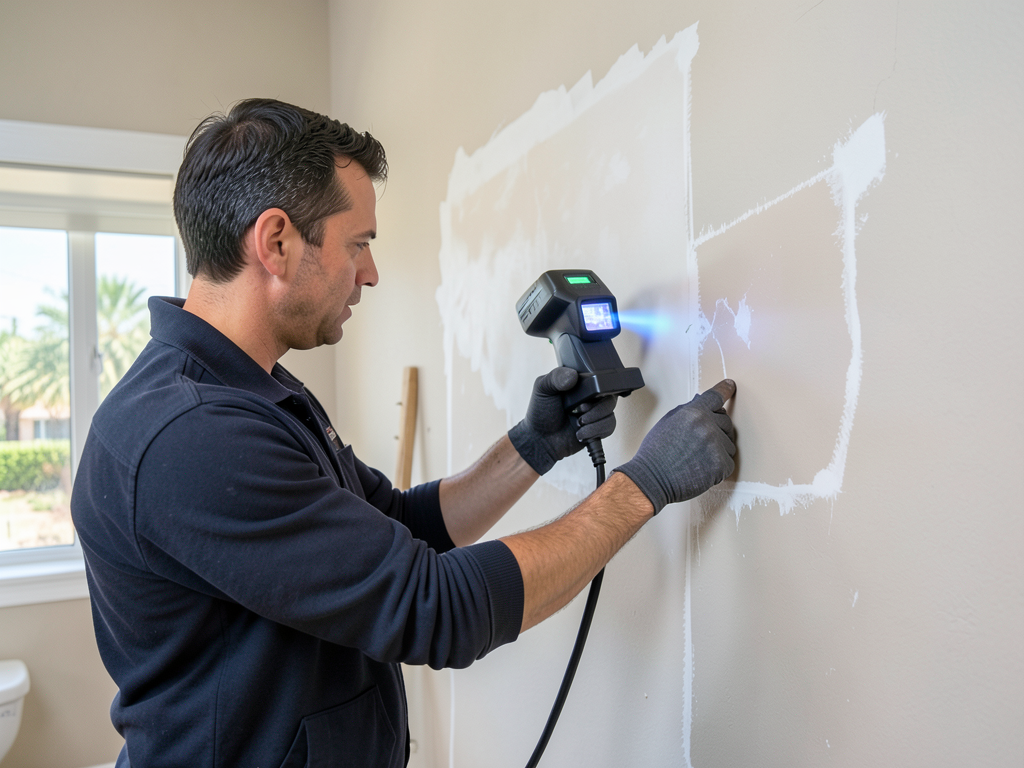
Take moisture readings immediately. Professional-grade moisture meters provide numerical readings that adjusters accept as evidence. Document moisture levels in affected materials like drywall, baseboards, and subflooring. These readings prove the saturation extent and justify the necessary scope of demolition and drying.

Secure the water source immediately. If a supply line failed, shut off the water and photograph the failed component. Keep the failed part. Insurance adjusters often request physical evidence of the failure mechanism. A corroded angle stop or split washer hose proves sudden mechanical failure rather than neglect.

Tips for water damage insurance claims include creating a detailed inventory of damaged contents with replacement values. Don't throw anything away until the adjuster inspects or you receive explicit permission. Insurance companies deny claims when they cannot verify the damage extent.

Work with a licensed public adjuster or restoration company experienced in navigating water restoration claims. We document losses using Xactimate, the same estimating software insurance companies use. This eliminates disputes over pricing and scope.

Your Insurance Claim Timeline

How to Handle Insurance Claims in San Diego – Expert Guidance Through Every Step of Your Water Damage Recovery
01

Immediate Damage Documentation

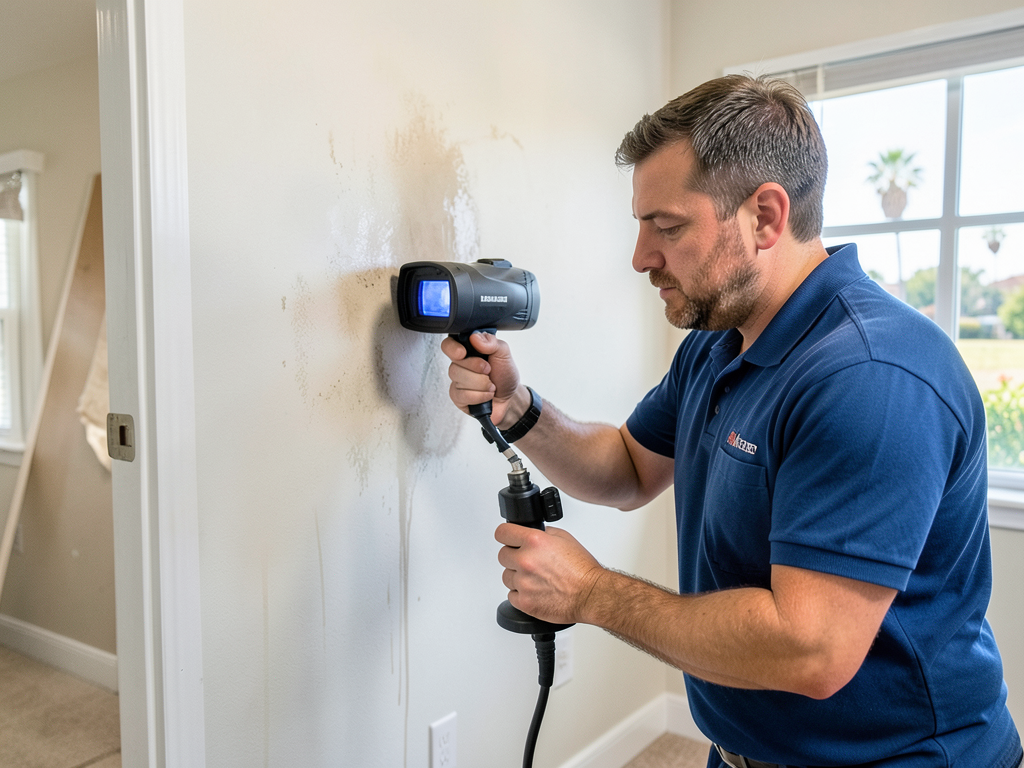
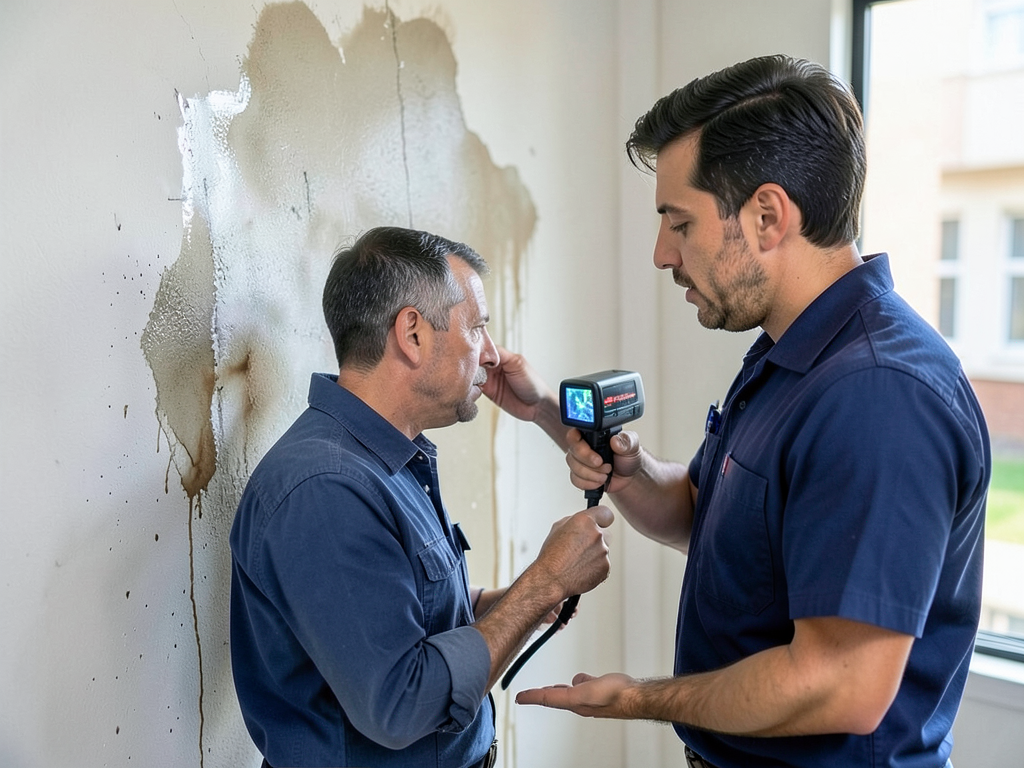
We arrive within 60 minutes and begin comprehensive photo and video documentation before any mitigation work starts. Our technicians use thermal imaging cameras and moisture meters to map water intrusion patterns. This creates an indisputable record of damage severity. We photograph the water source, all affected materials, and damaged contents. Insurance adjusters cannot dispute photographic evidence taken immediately after loss discovery. This documentation forms the foundation of your entire claim.
02

Adjuster Coordination and Advocacy

We communicate directly with your insurance adjuster and provide detailed scope documentation in their preferred format. Our estimates use Xactimate software with local San Diego pricing, which matches what adjusters use internally. We explain why specific demolition, drying, and reconstruction steps are necessary based on IICRC S500 water damage restoration standards. When adjusters dispute scope or attempt to reduce the claim value, we provide technical justification they cannot refute. We handle the back-and-forth so you do not have to.
03

Claim Settlement and Restoration

Once the insurance company approves your claim, we execute the complete restoration using the agreed scope. We handle depreciation recoverable claim supplements when we discover hidden damage during demolition. Most policies pay actual cash value initially, then pay depreciation after repairs complete. We document all work with photos and ensure you receive every dollar your policy allows. Your property returns to pre-loss condition without you navigating the insurance bureaucracy alone.

Why San Diego Homeowners Choose Keystone for Claims Support

Insurance companies use local adjusters who know San Diego construction standards and typical failure modes in our housing stock. You need a restoration company that knows more than they do.

We understand how San Diego's marine layer affects moisture intrusion in coastal neighborhoods. Properties in La Jolla, Pacific Beach, and Coronado experience higher humidity levels that complicate drying protocols. We document how these environmental factors extend necessary drying time, which justifies higher equipment costs in your claim.

Our estimators know local building codes enforced by the City of San Diego Development Services Department. When water damage affects electrical systems or structural framing, restoration work must meet current code. Insurance policies typically cover the cost of code upgrades when they result from covered losses. Many restoration companies miss these coverage opportunities. We identify every eligible upgrade and document why current code requires it.

We maintain relationships with local public adjusters who specialize in water damage claims. When your insurance company denies coverage or offers an inadequate settlement, we connect you with advocates who work on contingency. They only get paid when they increase your settlement.

San Diego's housing market means your property represents significant financial investment. Water damage that is improperly remediated leads to mold growth, structural deterioration, and decreased property value. Insurance companies know most homeowners accept lowball settlements because they do not understand their policy coverage. We level the playing field.

Our documentation protocols exceed insurance company requirements. We provide more evidence, clearer explanations, and better justification than adjusters expect. This makes your claim bulletproof and eliminates common denial reasons.

What to Expect During the Claims Process

Immediate Response and Assessment

We deploy to your property within 60 minutes of your call. Our first priority is stopping additional damage and documenting everything for your insurance claim. We bring thermal imaging cameras, moisture detection equipment, and professional photo gear. The initial assessment takes 45 to 90 minutes depending on damage extent. We identify the water source, determine contamination category, and map moisture intrusion. You receive a preliminary scope of work before we leave. This includes emergency mitigation steps and estimated timeline. We contact your insurance company immediately and begin the claims notification process if you authorize us to act on your behalf.

Detailed Documentation and Estimating

We create a comprehensive estimate using Xactimate software within 24 hours of initial assessment. This estimate includes all necessary demolition, drying, antimicrobial treatment, and reconstruction. We photograph every affected area and damaged item. Our moisture mapping shows exactly which materials require removal versus drying in place. We document pre-existing conditions separately so insurance adjusters cannot use them to deny your claim. The estimate includes line-item pricing for every task, which eliminates disputes over reasonable costs. We submit this documentation package directly to your adjuster and follow up to ensure they received everything needed to process your claim quickly.

Complete Restoration to Pre-Loss Condition

Once your insurance company approves the claim, we execute the complete restoration scope. Drying typically takes three to five days depending on materials affected and environmental conditions. Demolition and reconstruction timelines vary based on damage extent. A single-room water loss with minimal structural impact takes one to two weeks. Multi-room losses affecting subflooring or framing take three to six weeks. We provide daily updates and document progress with photos. Our reconstruction team matches existing finishes and textures. You receive a final walkthrough where we verify you are completely satisfied before closing the project. We provide documentation of all work completed for your records and insurance company.

Ongoing Support and Supplemental Claims

Water damage often hides behind walls and under flooring. When we discover additional damage during demolition, we document it immediately and submit a supplemental claim to your insurance company. Most policies cover hidden damage that was not visible during initial assessment. We handle all supplemental claim documentation and negotiation. If your insurance company disputes the supplement, we provide technical justification and photos proving the damage resulted from the original covered loss. We also address any moisture concerns that develop after initial drying. Our moisture meters verify all materials reach acceptable dry standards before we close walls. You receive documentation of final moisture readings for your records.

Frequently Asked Questions

You Have Questions,
We Have Answers

What not to say during an insurance claim? +

Never admit fault or speculate about damage causes. Do not say the damage looks minor or exaggerate losses. Avoid phrases like "I think it happened because" or "it's probably fine." Do not accept a first settlement offer without review. Stick to facts you can document with photos, receipts, or professional assessments. In San Diego, where coastal humidity and weather patterns complicate water damage claims, letting adjusters draw premature conclusions can tank your payout. Document everything. Let evidence speak. If pressed for opinions, defer to your restoration contractor's expert assessment.

How are insurance claims handled? +

Insurance claims follow a structured process. You report the loss immediately to your carrier. An adjuster gets assigned to inspect damage and estimate repair costs. You document everything with photos, receipts, and contractor estimates. The adjuster reviews your policy coverage limits and exclusions. They issue a settlement offer. You negotiate if needed. Once agreed, payment processes and repairs begin. In San Diego, claims involving water damage from burst pipes or storm intrusion often require specialized restoration documentation. Work with contractors who understand insurance protocols to avoid delays or denials.

What's the biggest mistake people often make when dealing with an insurance claim? +

The biggest mistake is failing to document damage thoroughly before cleanup starts. Policyholders rush to fix problems, then lack proof of loss extent. Take hundreds of photos and videos from multiple angles. Inventory damaged items with serial numbers and receipts. Get written estimates from licensed contractors before moving forward. In San Diego, where water damage escalates quickly due to humidity, you face pressure to act fast. But insurance needs evidence. Mitigation is smart, but document first. Missing documentation kills claims, even legitimate ones.

What not to say to an insurance claims adjuster? +

Never say the damage seems minor, you're unsure how it happened, or you delayed reporting it. Do not admit to maintenance neglect or accept blame for gradual deterioration. Avoid signing documents you have not read carefully. Do not agree the first offer is fair without comparing contractor estimates. Stick to factual statements you can prove. In San Diego, adjusters scrutinize coastal property claims closely due to mold and humidity factors. Answer questions directly but briefly. Volunteer nothing extra. Let your documentation and professional restoration partner provide technical details.

What is the 80% rule in insurance? +

The 80 percent rule means you must insure your property for at least 80 percent of its replacement cost to receive full claim payments. If you underinsure, carriers apply a penalty, paying only a proportionate amount of the loss. For example, if your home needs $500,000 to rebuild but you only carry $300,000 coverage, you are penalized. In San Diego, where construction costs and coastal property values climb steadily, underinsurance is common. Review your policy annually. Adjust coverage limits to match current replacement costs, not purchase price.

What are the 3 D's of insurance claims? +

The three D's are Duties, Damage, and Dollars. Duties refer to policyholder obligations like timely reporting and damage mitigation. Damage involves proving the loss occurred and documenting extent. Dollars represent the settlement negotiation and payment process. Understanding these phases helps you navigate claims strategically. In San Diego, water damage claims often hinge on proving the loss was sudden and accidental, not gradual deterioration from coastal humidity. Meet your duties promptly. Document damage exhaustively. Negotiate dollars with contractor estimates and policy language backing your position.

What are the 7 rules of insurance? +

The seven rules are insurable interest, utmost good faith, indemnity, subrogation, contribution, loss minimization, and causa proxima. These principles govern how policies function. Insurable interest means you must have financial stake in what you insure. Utmost good faith requires honesty from both parties. Indemnity restores you to pre-loss condition, no profit. Subrogation lets insurers pursue third parties for recovery. Contribution applies when multiple policies cover one loss. Loss minimization obligates you to prevent further damage. Causa proxima determines the proximate cause of loss for coverage decisions.

What are the 5 P's of insurance? +

The five P's are People, Property, Protection, Profit, and Peace of Mind. People refers to liability coverage for injuries. Property covers physical assets like your home. Protection means risk management and coverage adequacy. Profit applies more to business interruption policies. Peace of Mind is the emotional benefit of transferring risk. In San Diego, where properties face earthquake, flood, and wildfire exposure, balancing these five areas prevents gaps. Standard homeowner policies exclude flood and earthquake damage. Review your coverage with local risk factors in mind, not just premium cost.

What are the 4 phases of the claim process? +

The four phases are Reporting, Investigation, Evaluation, and Resolution. Reporting is immediate notification to your carrier after discovering damage. Investigation involves adjuster inspections and documentation review. Evaluation determines coverage applicability and settlement amounts. Resolution is final payment and claim closure. In San Diego, water damage claims move faster when you provide complete documentation upfront. Delays occur when adjusters request missing photos, receipts, or contractor estimates multiple times. Front-load the investigation phase with thorough evidence. It compresses timelines and strengthens your negotiating position during evaluation.

What insurance denies most claims? +

No single insurer denies most claims, but certain carriers have higher dispute rates for specific loss types. Water damage and mold claims face scrutiny across the industry because of coverage exclusions for gradual damage or maintenance issues. Carriers deny claims when damage appears pre-existing, policy limits are exceeded, or exclusions apply. In San Diego, where coastal humidity complicates water damage timelines, proving sudden loss versus long-term deterioration becomes critical. Choose contractors who document thoroughly and understand local claim patterns. Quality evidence reduces denial risk regardless of carrier.

How San Diego's Coastal Climate Complicates Water Damage Claims

San Diego's average relative humidity ranges from 60 to 75 percent depending on proximity to the coast. This elevated ambient moisture slows drying time and creates perfect conditions for secondary mold growth. Insurance adjusters often dispute extended drying equipment costs because they assume standard three-day protocols apply. In reality, coastal properties require five to seven days of dehumidification to reach acceptable moisture levels. We document ambient humidity readings and explain how marine layer influence extends necessary drying time. This justifies higher equipment costs in your claim and prevents disputes over reasonable mitigation scope. Properties in Coronado, Imperial Beach, and coastal La Jolla experience the most significant drying complications.

San Diego County building codes require specific repairs when water damage affects electrical or structural systems. Many insurance adjusters approve minimal repairs without considering code compliance requirements. We reference specific sections of the California Building Code and San Diego Municipal Code to justify necessary upgrades. When water damage affects outlets or switches, current code requires GFCI protection in wet locations. When subflooring requires replacement, current code requires properly fastened underlayment. These upgrades add cost but are legally required. Insurance policies typically cover code upgrade costs under Ordinance or Law coverage. We identify these coverage opportunities and maximize your settlement while ensuring your property meets current safety standards.
Water Damage Restoration Services in The San Diego Area

We are proud to serve the entire San Diego area and invite you to view our service region on the map below. While our emergency response team is mobile and always ready to dispatch to your location rapidly, our central operations base allows us to coordinate efficient service across all of San Diego County. Contact us today for immediate assistance, no matter where your property is located within our service area.

Address:
Keystone Water Damage Restoration San Diego, 4445 Eastgate Dr, San Diego, CA, 92121

Additional Services We Offer

Our news updates

Latest Articles & News from The Blogs

Who Pays for Water Damage When a Neighbor’s Leak Affects Your San Diego Condo Discovering water damage in your condo…

Navigating Liability When a Neighbors Apartment Leaks into Your San Diego Condo

Who Pays for Water Damage When a Neighbor’s Leak Affects Your San Diego Condo Discovering water damage in your condo…

The Critical Steps Your Restoration Team Takes in the First Forty Eight Hours

The Critical Steps Your Restoration Team Takes in the First Forty Eight Hours When water invades your home in San…

Should You Try In Place Drying or Choose a Full Rip Out After a San Diego Flood

Should You Try In Place Drying or Choose a Full Rip Out After a San Diego Flood San Diego homeowners…

Contact Us

Do not navigate the water damage insurance claim process alone. Call Keystone Water Damage Restoration San Diego at (858) 203-2555 right now. We provide immediate documentation support and work directly with your adjuster to maximize your settlement. Available 24/7 for emergency response throughout San Diego County.