menu

Steps to Take After a Flood in San Diego – Expert Recovery Guidance to Protect Your Property and Health

Immediate actions after flooding can prevent mold growth, structural damage, and health hazards. Get the complete post-flood recovery checklist from San Diego water damage specialists who understand coastal moisture challenges.

Slider Image 1
Slider Image 2
Slider Image 3
Slider Image 4
Slider Image 5
Slider Image 7
Slider Image 8
Slider Image 9
Slider Image 10
Slider Image 11

Why San Diego Floods Require Fast, Strategic Action

When floodwater invades your San Diego property, the clock starts immediately. You have 24 to 48 hours before mold spores begin colonizing wet surfaces. In coastal San Diego neighborhoods like Ocean Beach and Pacific Beach, the naturally high humidity accelerates microbial growth. Inland areas like Mission Valley and Allied Gardens face different challenges. Clay-rich soil common throughout East County creates foundation vulnerabilities that floodwater exploits, seeping into basements and crawlspaces long after surface water recedes.

Floodwater carries more than just moisture. Sewage backups, chemicals from streets, and bacteria from soil contaminate everything the water touches. Your immediate actions after flooding determine whether you face a manageable cleanup or catastrophic property damage. Many San Diego residents underestimate the scope of what to do after a house flood, focusing only on visible water while hidden moisture destroys drywall, subfloors, and insulation.

The guide to handling flood damage starts with understanding the difference between clean water, gray water, and black water contamination. Most floods involve category 3 black water, which requires professional extraction and antimicrobial treatment. San Diego's Mediterranean climate means floodwater does not evaporate quickly like it would in drier regions. Trapped moisture creates perfect conditions for mold, wood rot, and structural degradation. Every hour you delay increases restoration costs and health risks.

Why San Diego Floods Require Fast, Strategic Action
The Science-Backed Post-Flood Recovery Checklist

The Science-Backed Post-Flood Recovery Checklist

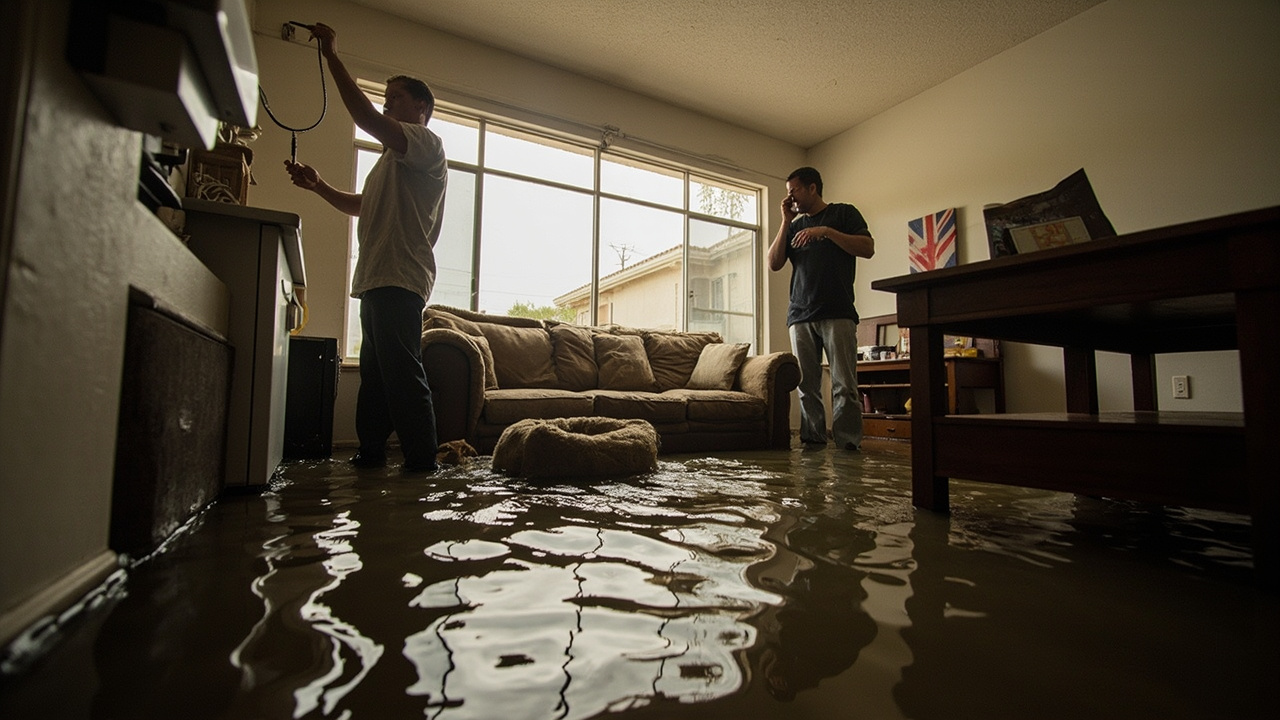
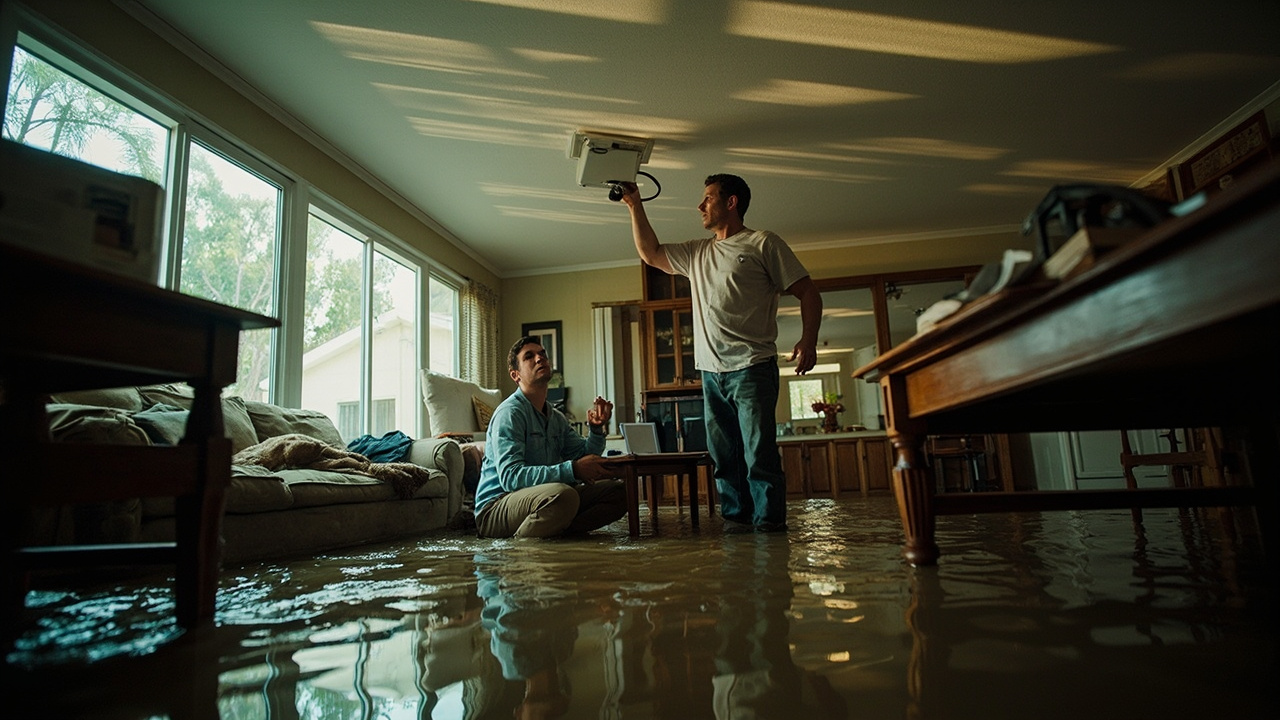
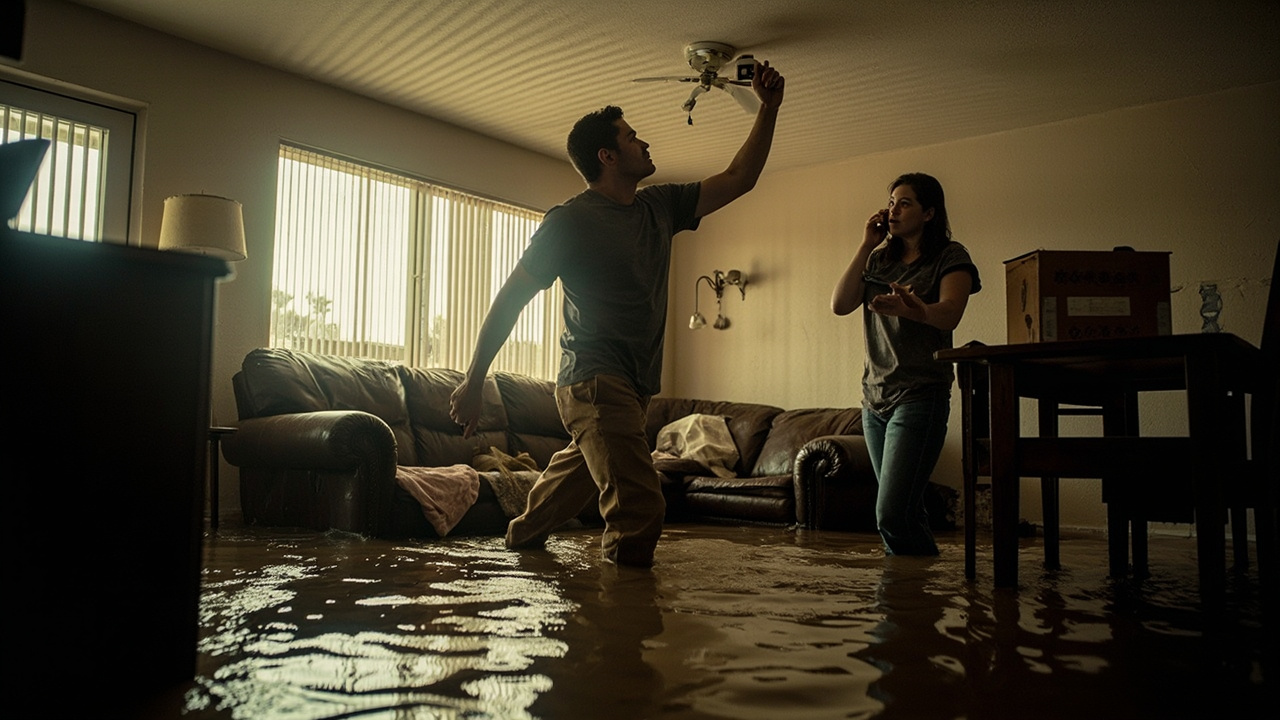
Water damage clean up steps follow a specific sequence based on building science and microbial control. First, ensure electrical safety. Floodwater conducts electricity, and standing water in contact with outlets or appliances can kill. Shut off power at the breaker if you can access it safely. If water exceeds ankle depth, call a professional before entering.

Next, document everything before touching anything. Insurance adjusters need photographic evidence of water levels, damaged belongings, and structural impact. San Diego insurers are familiar with flood patterns from winter atmospheric rivers and summer monsoon remnants, but you must prove the extent of damage.

Begin water extraction immediately using pumps, wet vacuums, or professional extraction equipment. Removing standing water within the first 24 hours prevents secondary damage. Floodwater wicks upward through drywall and insulation, spreading contamination far beyond the visible waterline. Standard shop vacuums cannot handle the volume or contamination level of flood events.

Remove porous materials that absorbed contaminated water. Carpet, carpet pad, upholstered furniture, and drywall below the flood line must go. These materials cannot be sanitized and will harbor pathogens and mold. In San Diego's 60-70 percent average humidity, wet materials will not dry adequately without professional dehumidification. Structural drying requires industrial air movers and commercial dehumidifiers that exchange air and remove moisture vapor at rates far exceeding residential equipment.

Apply EPA-registered antimicrobials to all affected surfaces. This critical step prevents microbial amplification during the drying process.

Your First 72 Hours After Discovering Flood Damage

Steps to Take After a Flood in San Diego – Expert Recovery Guidance to Protect Your Property and Health
01

Safety and Documentation

Before entering a flooded space, verify electrical systems are de-energized and document all damage with photos and video. Water levels against walls, damaged belongings, and contamination sources like sewage backup need visual records for insurance claims. In San Diego, atmospheric river floods often involve multiple claim types including structural, contents, and loss of use coverage.
02

Extraction and Removal

Remove standing water using pumps or extraction equipment within 24 hours. Pull up wet carpet and pad immediately, as these materials trap contaminated water against subfloors. Remove baseboards to allow wall cavities to dry. San Diego's stucco exterior walls trap moisture, so interior cavities need airflow to prevent hidden mold growth between wall studs and insulation.
03

Drying and Sanitization

Deploy air movers and dehumidifiers to achieve structural drying within 72 hours. Monitor moisture levels in wood framing, concrete, and drywall using moisture meters. Apply antimicrobial treatments to all surfaces that contacted floodwater. This prevents bacterial growth and mold colonization during the drying period. Complete drying prevents the secondary damage that triples restoration costs.

Why San Diego Properties Need Specialized Flood Recovery Expertise

San Diego flood events differ from those in other regions. Our proximity to the Pacific Ocean creates persistent humidity that slows evaporation. Winter atmospheric rivers dump inches of rain in hours, overwhelming drainage systems in neighborhoods like Mission Valley, Fashion Valley, and areas near the San Diego River. These floods involve clean rainwater initially, but quickly become contaminated as water mixes with urban runoff, sewage systems, and soil.

Keystone Water Damage Restoration San Diego understands the unique construction types throughout the county. Older homes in neighborhoods like Normal Heights and North Park have post-and-beam foundations with crawlspaces vulnerable to standing water. Newer construction in Scripps Ranch and Carmel Valley uses slab foundations where water migrates laterally under flooring. Each construction type requires different extraction and drying strategies.

Local building codes require specific moisture thresholds before reconstruction can begin. San Diego County inspectors enforce strict standards for structural drying and antimicrobial treatment, especially in flood zones near waterways. We work directly with local adjusters from major carriers who insure San Diego properties, speaking their language and providing documentation that expedites claims.

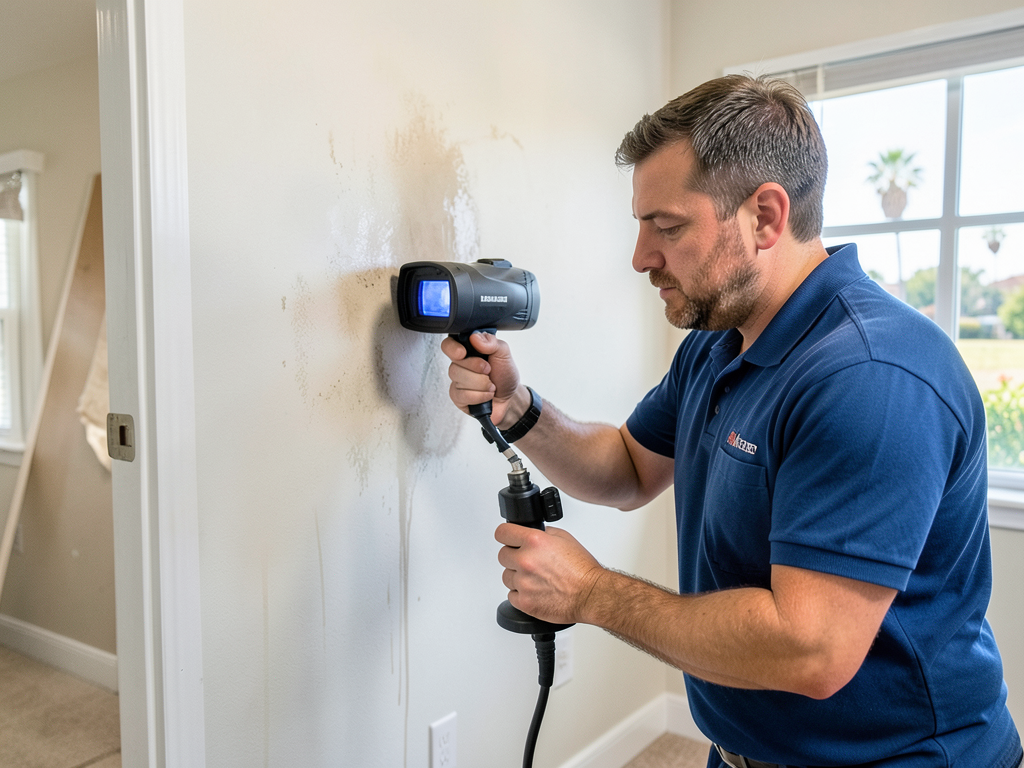
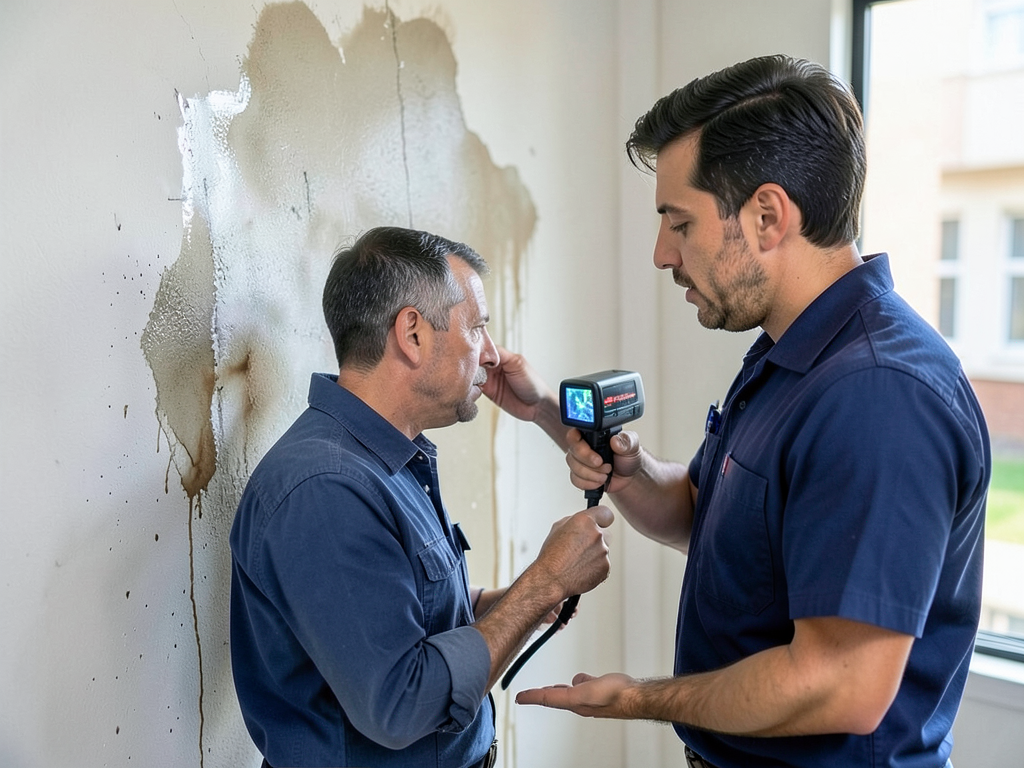
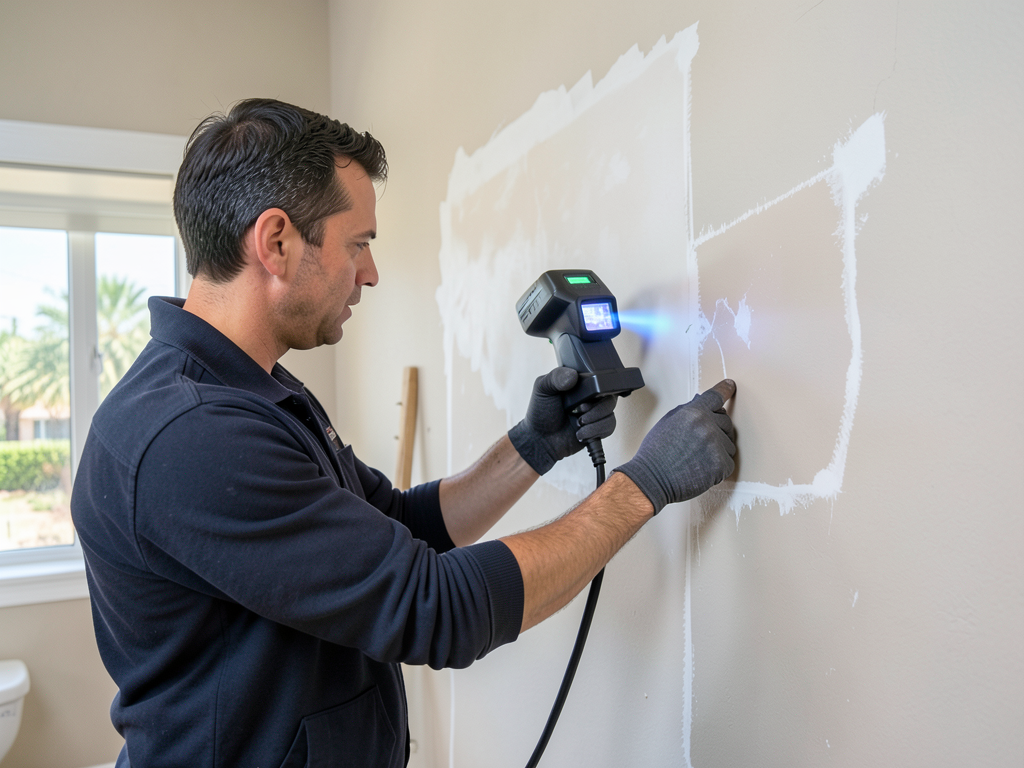
Our technicians hold IICRC certifications in water damage restoration and applied structural drying. We use thermal imaging to detect hidden moisture in walls and ceilings, preventing the callback situations that plague restoration projects. San Diego's Mediterranean climate means moisture problems appear months after inadequate drying, when mold blooms behind walls or subfloors buckle. Proper structural drying prevents these failures.

What Happens During Professional Flood Recovery

Emergency Response Timeline

We dispatch technicians to San Diego properties within 60 minutes of your call. Emergency response includes water extraction, emergency board-up if needed, and content pack-out to prevent further damage. Our 24/7 availability covers the entire county from coastal areas to East County communities. We bring truck-mounted extraction units and portable generators to handle power outages common during storm flooding. Initial stabilization prevents the exponential damage that occurs when wet materials sit untreated. We establish drying equipment and begin moisture monitoring within the first three hours on-site.

Comprehensive Damage Assessment

Our assessment goes beyond surface water. We use moisture meters to measure water content in wood framing, drywall, and concrete. Thermal imaging reveals moisture patterns invisible to the eye, showing where water wicked up walls or spread under flooring. We classify water contamination level and document findings for insurance. In San Diego, this assessment includes checking for saltwater intrusion in coastal flood events, which requires different treatment than freshwater flooding. We map the full extent of damage, including secondary moisture in adjacent rooms and concealed spaces.

Structural Drying Results

Successful drying brings all structural materials to their pre-loss moisture content. Wood framing drops below 15 percent moisture content. Concrete slabs reach equilibrium moisture levels. Drywall returns to normal readings before reconstruction begins. We verify drying using moisture mapping and provide documentation to inspectors and insurance adjusters. San Diego's coastal humidity means longer drying times than inland regions, but our commercial dehumidifiers overcome this challenge. The result is a structure ready for safe reconstruction without hidden moisture that causes future mold or rot problems.

Post-Restoration Monitoring

After reconstruction, we provide moisture monitoring reports showing your property returned to normal conditions. We educate property owners about signs of recurring moisture problems and provide recommendations for preventing future flood damage. San Diego properties near flood zones benefit from sump pump installation, backwater valves, and improved drainage. We coordinate with contractors for these upgrades during reconstruction. Our documentation satisfies insurance requirements and provides proof of proper restoration if you sell the property. Many San Diego buyers request water damage history and restoration verification during escrow.

Frequently Asked Questions

You Have Questions,
We Have Answers

What steps to take after a flood? +

First, ensure everyone is safe and avoid standing water near electrical sources. Document all damage with photos and videos for insurance claims. Contact your insurance company immediately. Remove standing water using pumps or wet vacuums if safe to do so. Move salvageable items to a dry area. Open windows and doors to increase airflow. Call a professional water damage restoration company within 24 hours to prevent mold growth. In San Diego, coastal humidity accelerates deterioration, so speed matters. Do not attempt major repairs until a professional assesses structural integrity and hidden moisture.

What should be done after the flood? +

After a flood, prioritize safety by turning off electricity at the breaker panel if water entered your home. Extract standing water quickly using professional-grade equipment. Remove wet materials like drywall, insulation, and carpeting that cannot be dried within 48 hours. Sanitize all affected surfaces to prevent bacterial growth. Run commercial dehumidifiers and air movers to dry the structure thoroughly. In San Diego, moisture can hide in wall cavities and concrete slab foundations. Document everything for insurance purposes. Schedule a professional moisture inspection to confirm complete drying before rebuilding begins.

What should you do after going through a flood? +

Going through a flood requires immediate action. Contact your insurance company and start the claims process with detailed documentation. Remove water and wet contents within 24 to 48 hours to prevent mold colonization. Discard porous materials that absorbed contaminated water, including mattresses, upholstered furniture, and particle board. Clean and disinfect all hard surfaces. In San Diego homes, check crawl spaces and attics for hidden water intrusion. Use professional drying equipment to reduce humidity levels below 50 percent. Monitor moisture levels with meters to ensure complete drying before sealing walls or flooring.

What step should be taken when there is a flood? +

When a flood occurs, evacuate if authorities issue warnings. Once safe to return, shut off power and gas to prevent hazards. Wear protective gear including rubber boots and gloves when entering standing water. Remove water immediately using pumps or extraction equipment. Separate salvageable items from total losses. Ventilate the space by opening windows and using fans. In San Diego, check for sewage backups from overwhelmed city systems, which require specialized disinfection. Contact a licensed restoration company to assess damage and develop a drying plan. Never delay water removal, as damage compounds hourly.

How quickly does mold grow after a flood? +

Mold can begin growing within 24 to 48 hours after a flood, especially in San Diego's coastal climate where humidity levels naturally run higher. Mold spores are always present in the air and only need moisture, oxygen, and organic material to colonize. Porous materials like drywall, carpet padding, and insulation provide ideal growth conditions. Once mold starts, it spreads rapidly through wall cavities and HVAC systems. This narrow window makes immediate water extraction and drying critical. Professional restoration companies use moisture meters and thermal imaging to detect hidden water pockets that homeowners miss.

What are the 5 steps of disaster recovery? +

Disaster recovery follows five key phases. First, assessment involves evaluating damage extent and safety hazards. Second, water extraction removes standing water using pumps and vacuums. Third, drying and dehumidification eliminates moisture from structural materials using air movers and commercial dehumidifiers. Fourth, cleaning and sanitizing addresses contamination from sewage or debris. Fifth, restoration rebuilds damaged areas to pre-loss condition. In San Diego, recovery must account for salt air corrosion near coastal areas and tight construction common in newer developments. Each phase requires specific equipment and expertise. Professional restoration companies complete all five phases systematically to prevent recurring problems.

What should you avoid doing after a flood? +

Never enter floodwater near downed power lines or electrical equipment. Do not use household vacuums for water extraction, as they create electrocution risks. Avoid turning on HVAC systems until professionals inspect ductwork for water and contaminants. Do not seal wet walls or floors with paint or new materials, which traps moisture and guarantees mold growth. Never assume materials are dry based on surface feel. In San Diego, do not overlook stucco exterior walls, which absorb water and slowly release it into wall cavities. Avoid delaying professional help, thinking you can handle restoration alone.

What are the 5 steps of preparedness? +

Preparedness involves five critical steps. First, create an emergency kit with water, food, medications, and important documents in waterproof containers. Second, develop a family communication plan with out-of-area contacts. Third, identify evacuation routes and shelter locations in your San Diego neighborhood. Fourth, purchase adequate flood insurance, as standard homeowner policies exclude flood damage. Fifth, document your belongings with photos and receipts for insurance claims. In San Diego, know your flood zone designation and understand risks from canyon drainage patterns and coastal storm surge. Preparedness reduces chaos when disaster strikes.

How long to dry out a house after a flood? +

Proper structural drying typically takes three to five days using professional equipment, but severe flooding can require seven to ten days. Variables include water category, affected materials, and ambient humidity. San Diego's coastal moisture slows evaporation compared to inland desert areas. Concrete slab foundations retain water for weeks without proper extraction. Drywall may feel dry on the surface while studs and insulation remain saturated. Professional restoration companies use moisture meters to track drying progress in multiple locations. Never rush the process. Inadequate drying causes mold growth, wood rot, and structural failure months later.

Can I shower after a flood? +

Do not shower after a flood until you confirm water safety. If floodwater contaminated your plumbing system, bacteria and sewage can enter your water supply. Boil tap water or use bottled water until local authorities issue an all-clear notice. In San Diego, check with the city water department for contamination advisories after major flooding events. If your water heater was submerged, bacteria may colonize the tank and require professional flushing or replacement. Inspect visible plumbing for damage. Use hand sanitizer and avoid skin contact with tap water until professionals verify your system is safe.

How San Diego's Atmospheric Rivers and Coastal Climate Complicate Flood Recovery

San Diego experiences unique flood patterns driven by atmospheric rivers that stall over the Pacific Coast. These winter storm systems dump 2 to 4 inches of rain in 24 hours, overwhelming storm drains and causing flash flooding in low-lying areas. The San Diego River, Los Peñasquitos Creek, and Chollas Creek regularly exceed capacity during these events. Coastal neighborhoods face additional challenges from high tide king tides that back up storm drains, causing saltwater flooding. Our year-round 65 percent average humidity means flood-damaged materials do not air dry effectively without mechanical dehumidification. This climate factor makes immediate professional drying essential for preventing mold growth within 48 hours.

San Diego flood restoration requires familiarity with local construction methods and county building codes. Many homes built before 1970 use post-and-beam foundations with crawlspaces that trap water and create mold reservoirs if not properly dried. Newer properties use concrete slab foundations where water spreads laterally under tile or engineered wood floors. San Diego County enforces strict rebuild standards after flooding, requiring proof of structural drying and antimicrobial treatment before issuing reconstruction permits. Working with restoration professionals who understand these local requirements prevents permit delays and ensures compliance with county codes that protect property value and insurability.
Water Damage Restoration Services in The San Diego Area

We are proud to serve the entire San Diego area and invite you to view our service region on the map below. While our emergency response team is mobile and always ready to dispatch to your location rapidly, our central operations base allows us to coordinate efficient service across all of San Diego County. Contact us today for immediate assistance, no matter where your property is located within our service area.

Address:
Keystone Water Damage Restoration San Diego, 4445 Eastgate Dr, San Diego, CA, 92121

Additional Services We Offer

Our news updates

Latest Articles & News from The Blogs

How Clogged Gutters Can Lead to a Flooded Perimeter in Talmadge When leaves and debris clog your gutters in Talmadge…

How Clogged Gutters Can Lead to a Flooded Perimeter in Talmadge

How Clogged Gutters Can Lead to a Flooded Perimeter in Talmadge When leaves and debris clog your gutters in Talmadge…

Keeping Your Bird Rock Art Collection Safe from Coastal Humidity

Keeping Your Bird Rock Art Collection Safe from Coastal Humidity San Diego’s coastal climate creates unique challenges for art collectors…

What Fairbanks Ranch Homeowners Should Know About Pool Leaks Near the Foundation

What Fairbanks Ranch Homeowners Should Know About Pool Leaks Near the Foundation A pool leak near your Fairbanks Ranch foundation…

Contact Us

Every hour of delay increases damage and restoration costs. Call Keystone Water Damage Restoration San Diego at (858) 203-2555 for immediate dispatch. We provide emergency water extraction, structural drying, and complete flood recovery throughout San Diego County.