menu

How Long Does Drying Take After Water Damage in San Diego – Get Accurate Timelines Based on Real-World Variables

Understanding water damage drying time means factoring in material type, saturation depth, and environmental conditions. We break down structural drying duration for San Diego homes so you know what to expect from hour one to full restoration.

Slider Image 1
Slider Image 2
Slider Image 3
Slider Image 4
Slider Image 5
Slider Image 7
Slider Image 8
Slider Image 9
Slider Image 10
Slider Image 11

Why Drying Time Varies So Much in San Diego Homes

You ask how long drying takes because you need to plan your life around the answer. The truth is, there is no single number. Water restoration drying timelines depend on what got wet, how long water sat, and the specific conditions inside your home.

San Diego's mild coastal climate creates a false sense of security. You might assume materials dry faster here than in humid climates. That is partially true. But microclimates matter. Homes in Point Loma near the ocean face higher ambient humidity than properties in East County. A flooded bathroom in La Jolla might take longer to dry than the same incident in Santee because moisture in the air slows evaporation.

Material type drives the drying process length more than anything else. Drywall absorbs water quickly and releases it slowly. Hardwood flooring can take days to stabilize. Concrete slabs hold moisture for weeks if not treated with commercial-grade dehumidifiers. Carpet padding often needs replacement because it never fully dries without professional intervention.

The clock starts the moment water stops flowing. Every hour of delay adds time to the back end. A Category 1 supply line leak caught within the first hour might dry in 48 to 72 hours. The same leak ignored overnight can push structural drying duration to five or seven days. Category 3 sewage backups require longer timelines because contaminated materials often need removal before drying even begins.

You need a realistic timeline based on your specific situation, not generic estimates. That requires an assessment by someone who understands how water behaves in San Diego construction.

Why Drying Time Varies So Much in San Diego Homes
How We Calculate Structural Drying Duration for Your Property

How We Calculate Structural Drying Duration for Your Property

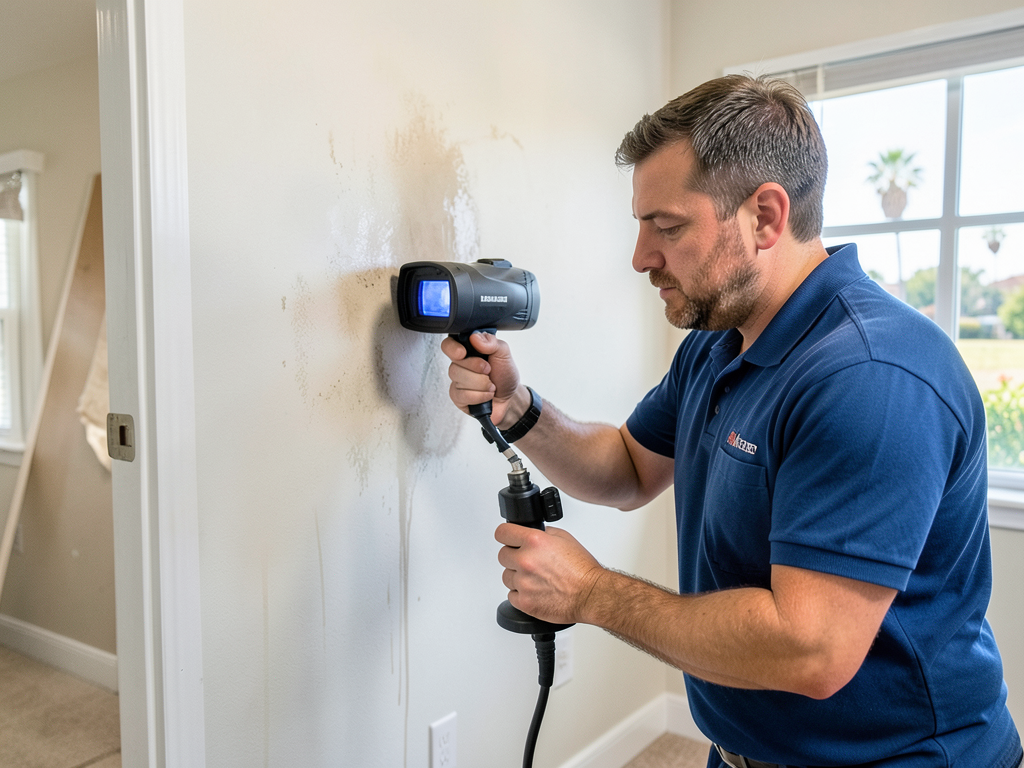
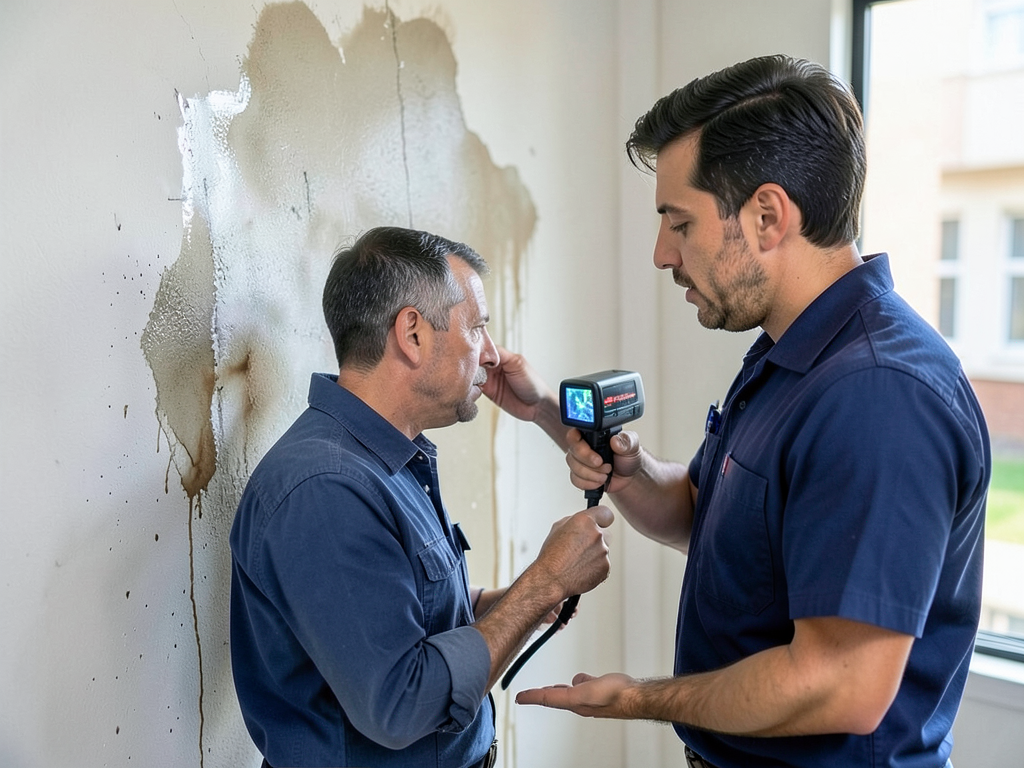
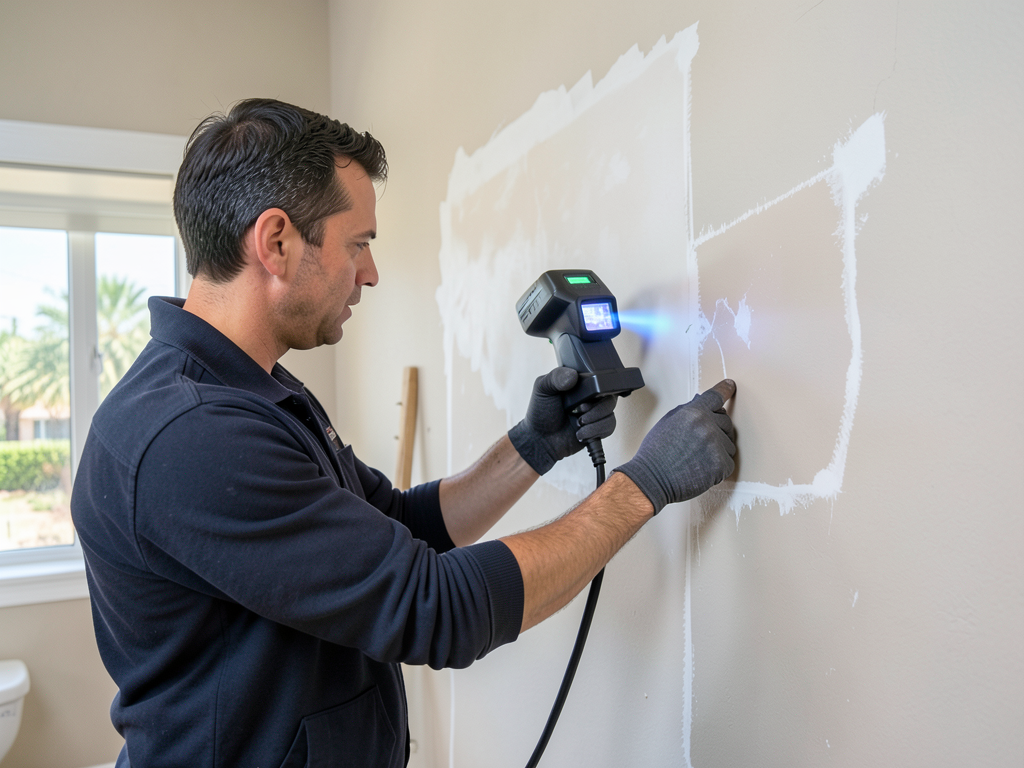
We do not guess. We measure. The first step in determining water damage drying time is deploying moisture meters and thermal imaging cameras. Moisture meters give us exact readings in drywall, subflooring, and framing. Thermal imaging reveals hidden saturation behind walls and under tile that you cannot see with your eyes.

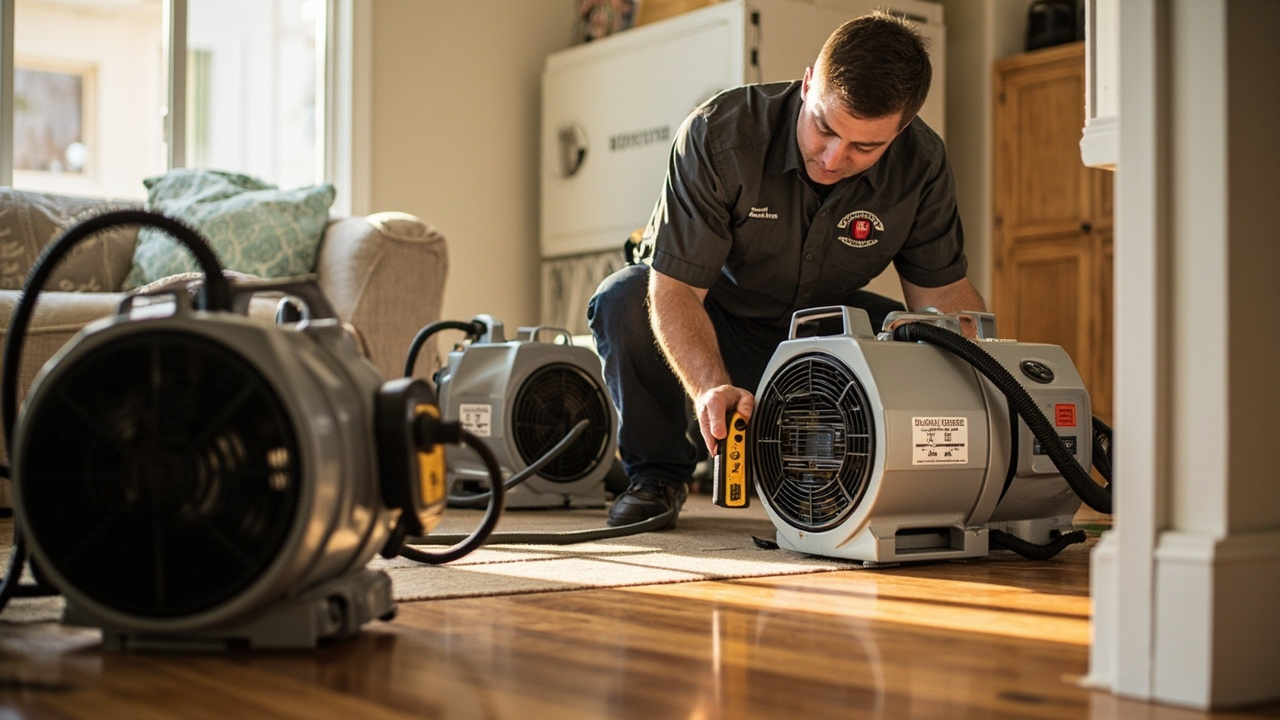
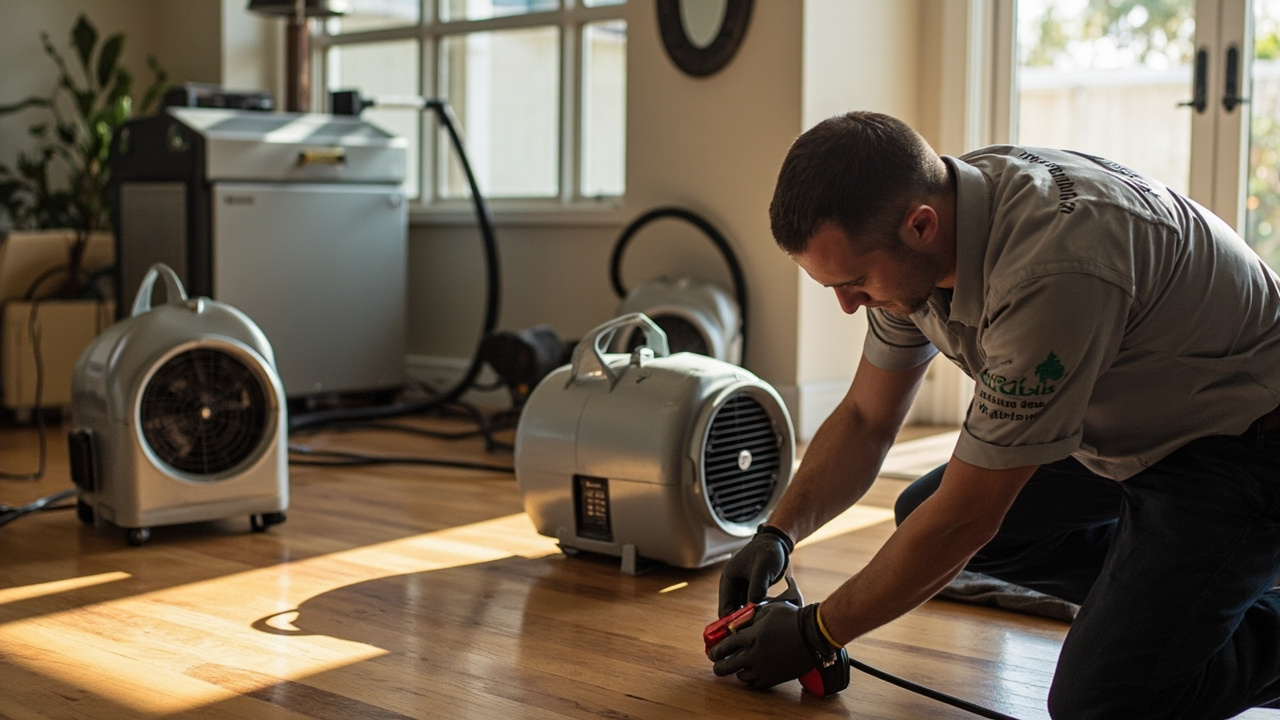
Air movers and dehumidifiers do not just blow air around. We calculate the grain depression needed to pull moisture out of materials faster than it re-saturates from surrounding humidity. That means monitoring ambient temperature, relative humidity, and specific humidity levels multiple times per day. We adjust equipment placement and output based on those readings.

We create negative air pressure in contained areas to prevent cross-contamination and speed evaporation. For example, a flooded bedroom gets sealed off with plastic sheeting. Air movers push moisture toward dehumidifiers stationed outside the containment zone. This creates a controlled environment where we can predict drying process length with accuracy.

Structural drying is not linear. The first 50 percent of moisture comes out fast. The last 20 percent takes disproportionately longer because you are fighting equilibrium moisture content. Materials like oak flooring and plaster have higher EMC thresholds than modern drywall. We dry to industry standard, not to "feels dry." That standard is defined by the Institute of Inspection, Cleaning and Restoration Certification as moisture levels consistent with pre-loss conditions.

We document everything. You get daily log sheets showing moisture readings, equipment runtime, and environmental conditions. Insurance adjusters require this documentation. You need it to prove the job was done right. We provide it without you asking.

What Happens During the Structural Drying Timeline

How Long Does Drying Take After Water Damage in San Diego – Get Accurate Timelines Based on Real-World Variables
01

Initial Moisture Mapping

We test every surface in the affected area and create a moisture map that identifies saturation levels in floors, walls, and ceilings. This baseline determines equipment placement and gives us a target for complete drying. We also classify the water source by contamination level, which changes how we approach extraction and drying. Without accurate mapping, you are guessing at water restoration drying timelines.
02

Equipment Deployment and Monitoring

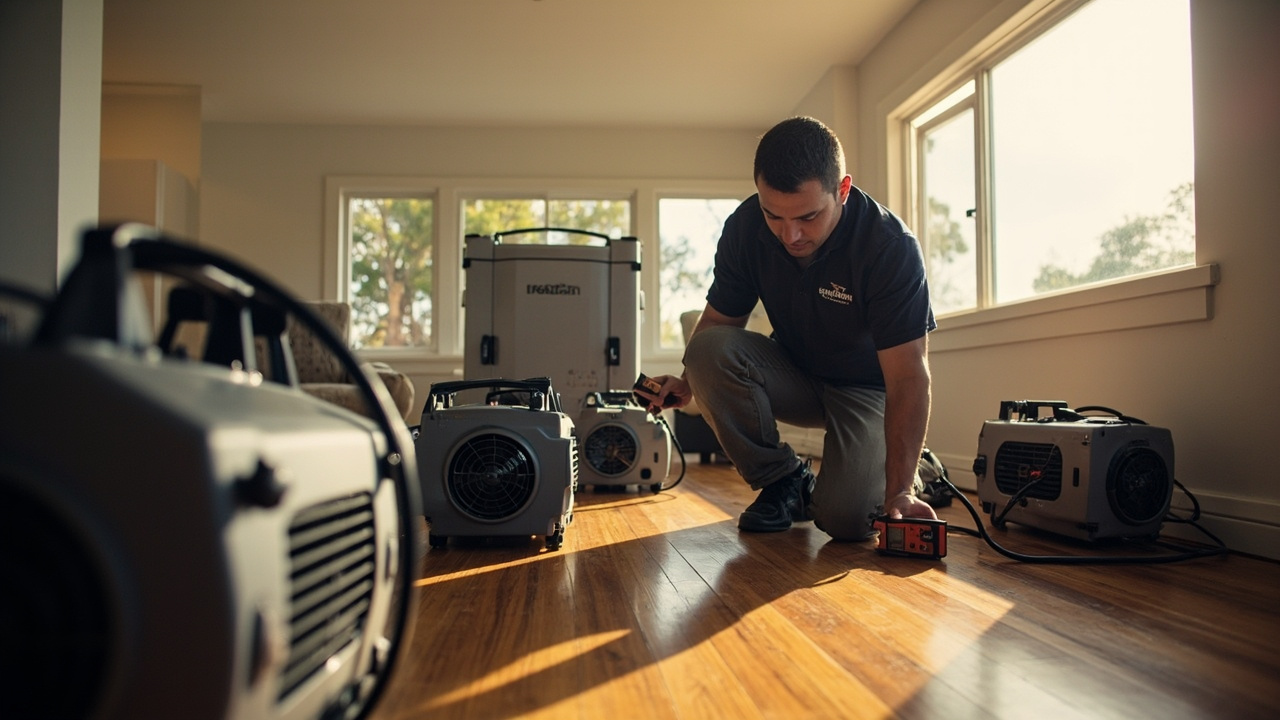
We position commercial air movers and dehumidifiers based on airflow science and material density. Each piece of equipment gets logged and adjusted daily. We return every 24 hours to take new moisture readings and recalculate evaporation rates. This phase typically runs three to seven days depending on initial saturation. You see measurable progress each visit, and we explain what the numbers mean in terms you can understand and act on.
03

Final Verification and Clearance

Drying is complete when moisture readings return to pre-loss levels or industry standard baselines. We take final measurements across all affected materials and provide a certificate of drying completion. This document protects you from future mold claims and satisfies insurance requirements. You get written confirmation that structural drying duration met professional standards. Only then do we remove equipment and clear the space for reconstruction or normal use.

Why Keystone Water Damage Restoration San Diego Gets Accurate Timelines Right

We understand San Diego construction. Homes built before 1950 in neighborhoods like North Park and Normal Heights use lath-and-plaster walls that hold moisture differently than modern drywall. Coastal homes in Ocean Beach and Pacific Beach face salt air corrosion that accelerates secondary damage if drying drags on too long. East County properties in Santee and El Cajon often have concrete slab foundations that require subsurface drying techniques most companies skip.

Our technicians are IICRC-certified in water damage restoration and applied structural drying. That is not marketing language. It means they passed exams on psychrometrics, material science, and microbial growth prevention. They know the difference between Class 1 and Class 4 water intrusions. They adjust drying strategies based on vapor pressure differentials, not gut feeling.

We own our equipment. That matters because we do not wait on rentals or ration dehumidifiers across multiple jobs. You get the gear your property needs for as long as it takes. If readings show you need an additional low-grain refrigerant dehumidifier on day three, we bring it that afternoon.

San Diego County has strict building codes and permit requirements for water damage restoration work that involves structural repairs. We work with your insurance adjuster to document the full scope of damage and justify the time to dry out water damage properly. Shortcuts lead to denied claims and mold problems six months later. We have seen it happen with competitors who promise faster timelines and deliver incomplete drying.

You also get transparency. We explain why hardwood takes longer than laminate. We show you the moisture meter readings. We answer questions without condescension. You are living through a disaster. You deserve straight information.

What You Can Expect During the Drying Process

Realistic Timelines Based on Material Science

Most residential water damage drying time runs between three and seven days for standard construction. Hardwood floors and plaster walls can push that to ten days. Concrete slabs and structural framing in severe floods may require two weeks. We give you a range on day one based on moisture readings, then update you every 24 hours as conditions change. You are never left wondering when life goes back to normal. We also explain the risks of stopping early, so you can make informed decisions about timeline versus cost.

Daily Monitoring and Adjustments

We check your property every day while equipment is running. Each visit includes new moisture readings, equipment inspection, and environmental monitoring. If humidity spikes because someone opened a window, we catch it and adjust. If a dehumidifier fails, we swap it out same-day. You get a written log after each visit showing moisture levels in every affected area. This documentation is critical for insurance claims and proves the drying process length was appropriate for the damage. You also get our cell numbers, so questions do not wait until the next scheduled visit.

Proven Drying Results You Can Verify

Finished means finished. We do not pull equipment until moisture meters show readings within IICRC standards for your material types. You get a certificate of completion with before-and-after readings documented in every affected room. This protects you if mold appears later or if your insurance company questions the scope of work. We also photograph the moisture map progression, so you see exactly how water moved through your structure and how we reversed it. You are not taking our word that drying is complete. You are seeing measurable proof.

Post-Drying Guidance and Prevention

After we remove equipment, we walk you through what happened and how to prevent it. That might mean recommending a backflow preventer if you had a sewer backup, or replacing old supply lines if a washing machine hose failed. We also explain signs of hidden moisture and when to call us back for a recheck. Some materials like subflooring can show delayed warping weeks after drying if moisture was not fully removed. We provide a 30-day callback window where we retest at no charge if you notice new issues. You are not abandoned the moment equipment leaves.

Frequently Asked Questions

You Have Questions,
We Have Answers

How long does normal drying take? +

Water damage drying in San Diego typically takes 3 to 5 days under controlled conditions. The timeline depends on the extent of saturation, affected materials, and humidity levels. Drywall and carpet padding take longer than hardwood or tile. Professionals use industrial dehumidifiers and air movers to accelerate evaporation. San Diego's mild coastal climate can help, but marine layer moisture in neighborhoods near Mission Bay or La Jolla may extend drying time. Structural elements like subflooring or wall cavities need monitoring with moisture meters to prevent mold growth. Complete drying is non-negotiable before reconstruction begins.

Is 40 minutes enough for a dryer? +

For water damage drying, 40 minutes is insufficient. Professional restoration requires continuous airflow and dehumidification for days, not minutes. If you are asking about appliance dryers, 40 minutes works for small, lightweight loads. Water-damaged materials like saturated insulation or drywall need 72 to 120 hours of controlled drying. San Diego's humidity fluctuates between coastal and inland zones, affecting evaporation rates. Rushing the process invites mold colonization within 24 to 48 hours. Moisture must drop below 15 percent in structural materials before repairs start. Quick fixes lead to expensive callbacks.

Is it normal for a dryer to take 3 hours? +

A household dryer running 3 hours signals a ventilation problem or overloaded drum. For water damage restoration, 3 hours is just the beginning. Structural drying in San Diego homes requires 3 to 5 days of equipment runtime. Wet drywall, insulation, and framing lumber hold moisture deep within, demanding sustained dehumidification. Coastal areas like Point Loma or Coronado face higher ambient humidity, slowing evaporation. If your appliance dryer takes 3 hours, clean the lint trap and exhaust duct immediately. For flood or leak damage, call professionals who monitor moisture levels scientifically.

Is 30 minutes enough to dry clothes? +

Thirty minutes dries lightweight clothing in a residential dryer but does nothing for water-damaged building materials. Structural drying in San Diego demands days, not minutes. Wet carpet, padding, and subflooring absorb gallons of water that evaporate slowly even with equipment. A quick spin cycle will not remove moisture from wall cavities or concrete slabs. San Diego's variable microclimates mean drying times differ between East County and coastal neighborhoods. Professionals use thermal imaging and hygrometers to track progress. Cutting corners on drying time guarantees mold, warping, and odor problems within weeks.

Can overloading a dryer cause damage? +

Overloading any drying system reduces effectiveness and causes damage. In household dryers, overloading strains the motor and prevents proper airflow. For water damage restoration, overloading means saturating materials beyond what equipment can handle, leading to incomplete drying and microbial growth. San Diego properties with Spanish tile roofs or stucco walls require careful moisture extraction. Forcing too much water removal too fast can crack plaster or warp hardwood. Professional restoration teams calculate equipment placement based on cubic footage and saturation levels. Rushing or overloading the process creates secondary damage that costs more to fix than the original loss.

Is it cheaper to air dry or use a dryer? +

Air drying costs nothing but takes longer and works poorly for water damage restoration. Household dryers use electricity but finish laundry faster. For structural drying in San Diego, professional equipment is non-negotiable. Industrial dehumidifiers and air movers consume power, but they prevent catastrophic mold growth and material failure. San Diego Gas and Electric rates vary by season, but the cost of running restoration equipment for 4 days is minor compared to replacing moldy drywall or warped flooring. Air drying saturated building materials invites permanent damage. Invest in proper drying to protect your property value.

How to speed up a dryer? +

Speed up structural drying by maximizing airflow and reducing humidity. Professionals position air movers to create vortex patterns across wet surfaces, accelerating evaporation. Dehumidifiers pull moisture from the air continuously. Open windows only if outdoor humidity is lower than indoor levels. In San Diego, morning marine layer fog adds moisture, so afternoon ventilation works better near coastal zones. Remove wet contents and peel back carpet to expose padding. Turn on HVAC systems to circulate air. Do not rely on fans alone. Industrial equipment dries structures 3 times faster than household methods while preventing mold contamination.

How long is too long for a dryer? +

Household dryer cycles longer than 90 minutes indicate a maintenance issue. For water damage restoration, drying too long is rarely the problem. Stopping too soon causes failure. San Diego properties need 72 to 120 hours of monitored drying depending on saturation depth and material type. Drywall, insulation, and framing lumber release moisture slowly. Professionals measure daily with pin and non-invasive meters, continuing until readings drop below industry thresholds. If you stop drying prematurely because it feels dry, hidden moisture will cause mold, rot, and odor. Trust the data, not your senses.

How much to run a dryer for 1 hour? +

Running a household dryer for 1 hour costs roughly 25 to 50 cents based on San Diego Gas and Electric rates and your unit's wattage. Industrial restoration equipment uses more power. A commercial dehumidifier draws 6 to 10 amps, costing around 75 cents to 1.50 dollars per hour. Air movers add another 50 cents per unit hourly. Professional water damage drying in San Diego runs equipment continuously for 3 to 5 days. Total electrical cost ranges from 150 to 400 dollars, a small fraction of potential mold remediation or structural replacement costs. Proper drying protects your investment.

Why are my clothes still wet after 2 hours in the dryer? +

Clothes stay wet after 2 hours because of clogged vents, overloading, or appliance failure. For water damage, materials stay wet because moisture hides in cavities, subflooring, or insulation that surface drying misses. San Diego homes with crawl spaces or slab foundations trap water in hidden areas. Professionals use thermal imaging to locate moisture pockets invisible to the eye. If standard equipment runs 2 hours without progress, technicians add inject-dry systems or remove materials for airflow access. Persistent wetness means the drying strategy needs adjustment. Never assume equipment alone solves deep saturation problems.

How San Diego's Coastal Climate Affects Water Damage Drying Time

San Diego sits in a unique microclimate zone where coastal fog and inland heat create fluctuating humidity levels throughout the day. Homes within five miles of the coast experience morning marine layer that raises indoor humidity even with windows closed. This slows evaporation rates and extends structural drying duration compared to drier inland areas. Properties in neighborhoods like La Jolla, Coronado, and Point Loma require more aggressive dehumidification because ambient moisture re-saturates materials faster. Conversely, East County homes in Santee and Lakeside dry faster due to lower baseline humidity, but the temperature swings between day and night can cause condensation issues if equipment is not monitored closely.

San Diego building codes require permits for structural repairs after water damage, but the drying phase itself is often exempt if no demolition occurs. That distinction matters because it affects your insurance claim timeline and contractor coordination. We work with local adjusters who understand San Diego County permitting rules and can verify that drying process length met professional standards without unnecessary delays. Our technicians also understand how older San Diego homes were built, from the Craftsman bungalows in North Park to the mid-century ranches in Allied Gardens, which means we anticipate hidden moisture problems before they become mold issues.
Water Damage Restoration Services in The San Diego Area

We are proud to serve the entire San Diego area and invite you to view our service region on the map below. While our emergency response team is mobile and always ready to dispatch to your location rapidly, our central operations base allows us to coordinate efficient service across all of San Diego County. Contact us today for immediate assistance, no matter where your property is located within our service area.

Address:
Keystone Water Damage Restoration San Diego, 4445 Eastgate Dr, San Diego, CA, 92121

Additional Services We Offer

Our news updates

Latest Articles & News from The Blogs

Keeping Your Pets Safe from Bacteria and Mold After a Hillcrest Flood Flooding in Hillcrest creates immediate dangers for pets…

Keeping Your Pets Safe from Bacteria and Mold After a Hillcrest Flood

Keeping Your Pets Safe from Bacteria and Mold After a Hillcrest Flood Flooding in Hillcrest creates immediate dangers for pets…

Why Your Escondido Roof is Leaking After a New Solar Panel Installation

Why Your Escondido Roof is Leaking After a New Solar Panel Installation If you notice water dripping from your ceiling…

How Your Backyard Slope is Pushing Water into Your Mira Mesa Foundation

How Your Backyard Slope is Pushing Water into Your Mira Mesa Foundation Standing water in your backyard after a San…

Contact Us

Stop guessing how long water damage will disrupt your life. We provide realistic timelines based on actual moisture readings, not generic estimates. Call (858) 203-2555 now for same-day assessment and transparent answers.