menu

Fire Damage Safety Checklist in San Diego – Expert Post-Fire Assessment Protocol to Protect Your Property and Health

Get a step-by-step fire recovery safety guide designed specifically for San Diego properties. Our comprehensive post-fire hazard checklist ensures you identify hidden dangers before re-entering your home or business.

Slider Image 1
Slider Image 2
Slider Image 3
Slider Image 4
Slider Image 5
Slider Image 7
Slider Image 8
Slider Image 9
Slider Image 10
Slider Image 11

Why Post-Fire Hazards Are More Dangerous Than the Fire Itself

You survived the fire. The flames are out. Now comes the hidden threat.

San Diego's unique climate creates specific post-fire risks that property owners often miss. The combination of coastal moisture and inland heat accelerates corrosion of structural elements weakened by fire. Salt air from the Pacific drifts into burned structures, causing metal connectors and electrical components to deteriorate faster than in other regions.

Fire leaves behind toxic residue that becomes more dangerous over time. Smoke particles embed into porous materials like drywall and insulation. When San Diego's warm air circulates through a fire-damaged building, it reactivates these particles, releasing carcinogens into the breathing zone. You cannot see or smell most of these compounds.

Structural integrity changes after fire exposure. Wood loses load-bearing capacity. Concrete develops microfractures. Metal roof decking warps. What looks stable can collapse without warning. San Diego's building codes require specific post-fire inspections for multi-family dwellings and commercial properties, but single-family homes often skip this critical step.

Water used to extinguish the flames creates secondary damage. Within 24 to 48 hours, mold colonies establish themselves in wet materials. San Diego's mild temperatures provide ideal conditions for rapid mold growth year-round. This biological hazard compounds the chemical hazards already present.

After fire safety precautions must address both visible and invisible threats. Your post-fire safety protocol begins with understanding that the emergency continues long after the fire trucks leave.

Why Post-Fire Hazards Are More Dangerous Than the Fire Itself
The Professional Post-Fire Safety Assessment Process

The Professional Post-Fire Safety Assessment Process

A proper fire damage safety protocol follows a systematic approach that prioritizes human safety while documenting property damage for insurance purposes.

The assessment starts outside the structure. We evaluate the roof envelope for compromised decking, inspect exterior walls for delamination, and check foundation elements for heat damage. Fire can travel through wall cavities and attic spaces, causing damage far from the visible burn zone. San Diego's wood-frame construction with stucco cladding hides this internal damage effectively.

Electrical systems receive immediate attention. Fire compromises wire insulation, melts junction boxes, and damages circuit breakers. We verify power disconnection at the main panel before entering. Many San Diego properties built before 1980 contain aluminum wiring that becomes especially hazardous after fire exposure.

Indoor air quality testing identifies toxic particulate levels. We measure volatile organic compounds, carbon monoxide residuals, and particulate matter concentrations. These measurements determine whether the space requires professional decontamination before occupancy.

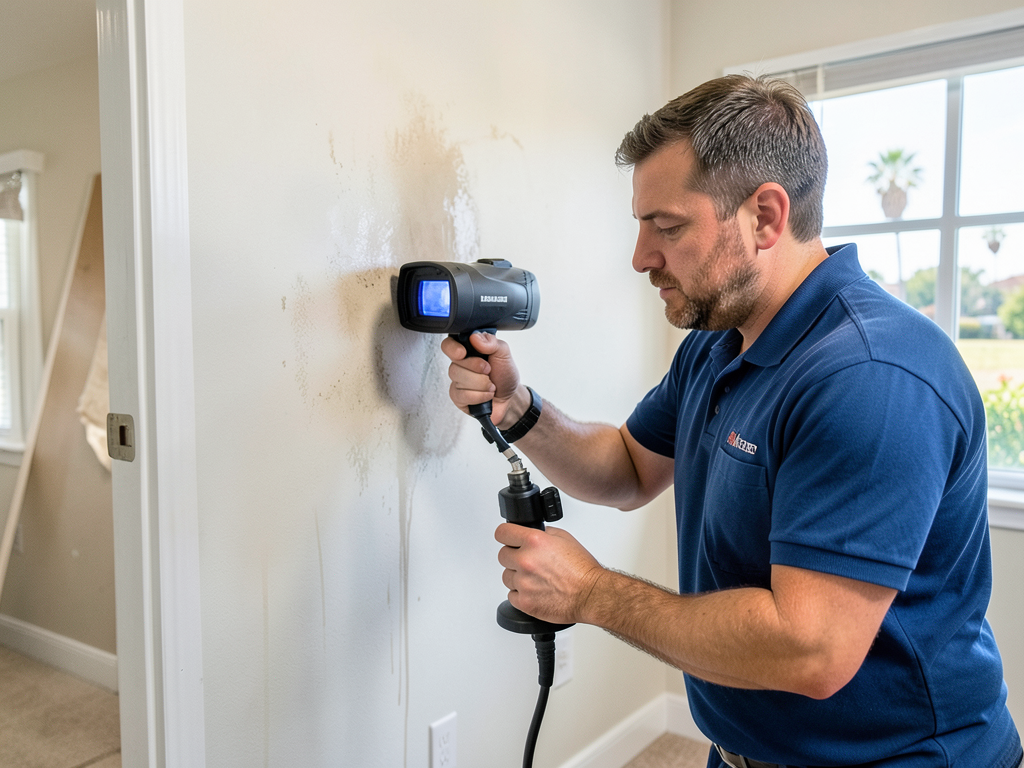
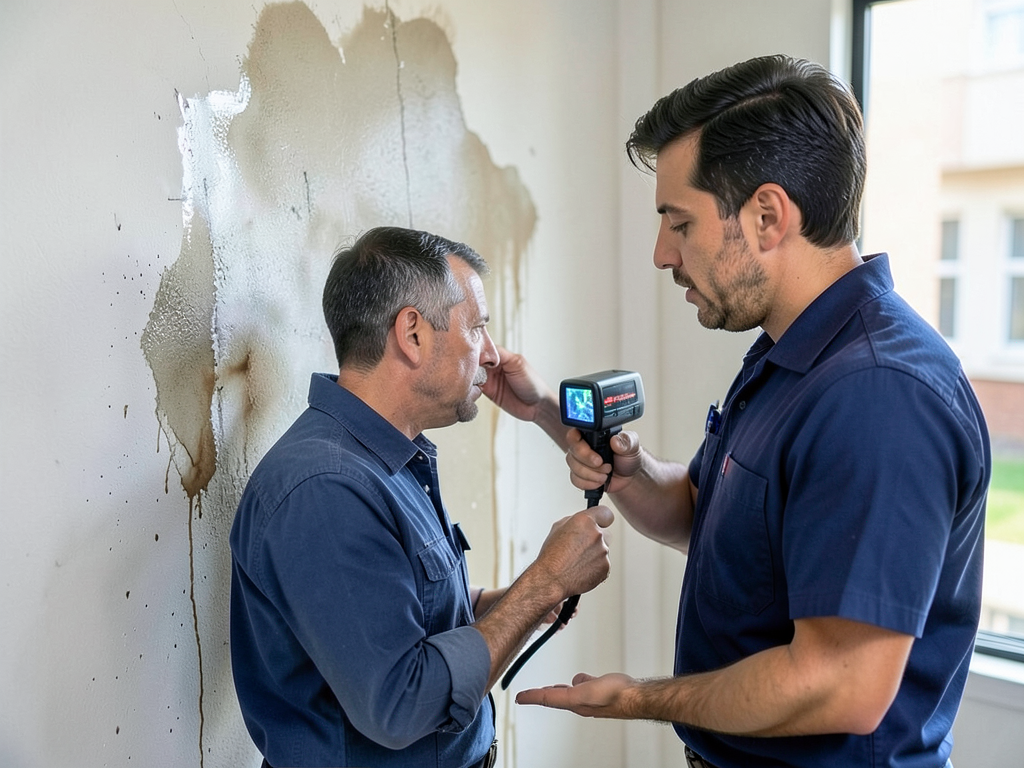
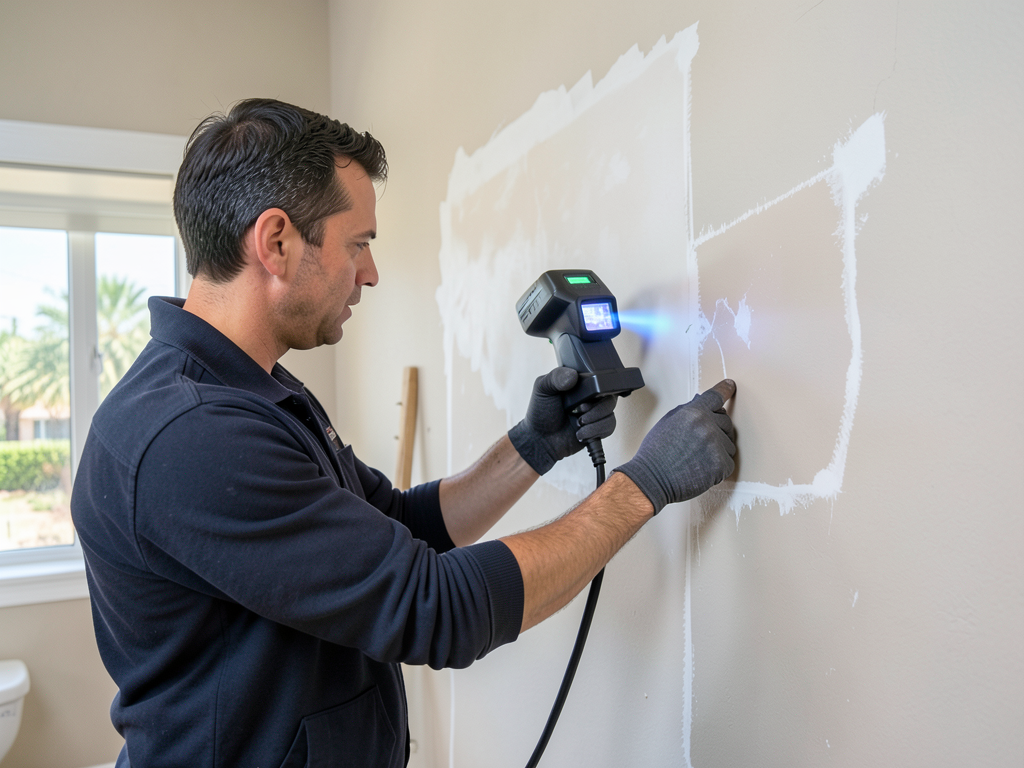
Structural load assessment uses thermal imaging to identify heat-affected framing members. Wood exposed to temperatures above 300 degrees loses structural integrity even if it appears intact. Steel beams and columns require verification that temperatures did not exceed critical thresholds that alter metallurgical properties.

Water damage from firefighting efforts gets documented separately. We identify saturated materials, measure moisture content in structural elements, and map areas requiring immediate drying to prevent microbial growth. The post-fire hazard checklist addresses both fire and water damage because they create compounding risks.

This methodical approach ensures nothing gets missed. You receive a comprehensive report that guides recovery decisions and supports insurance claims.

How Our Fire Damage Safety Assessment Works

Fire Damage Safety Checklist in San Diego – Expert Post-Fire Assessment Protocol to Protect Your Property and Health
01

Initial Site Evaluation

We conduct an exterior perimeter assessment before anyone enters the structure. This evaluation identifies obvious structural instability, utility hazards, and access risks. We photograph all visible damage, verify utility disconnection, and establish safe entry points. You receive immediate notification if the structure poses imminent collapse risk or requires emergency stabilization before we proceed with the interior assessment.
02

Interior Hazard Documentation

Our team systematically moves through each area wearing appropriate respiratory protection and protective equipment. We test air quality, document structural damage, photograph conditions, and collect samples when necessary. Thermal imaging reveals heat damage hidden behind walls. Moisture meters identify water intrusion from firefighting efforts. You receive detailed room-by-room documentation that identifies both immediate dangers and potential long-term issues requiring monitoring or remediation.
03

Recovery Action Plan

We compile findings into a prioritized action plan that separates emergency interventions from standard repairs. This plan identifies which areas require professional decontamination, which structural elements need replacement, and which systems need complete reinstallation versus repair. You receive specific recommendations for contractors, timelines for safe re-occupancy, and documentation formatted for insurance submission. The plan provides clear next steps for fire recovery.

Why San Diego Property Owners Choose Keystone Water Damage Restoration San Diego for Post-Fire Safety Assessments

Fire damage assessment requires understanding how structures fail and how toxic compounds behave in specific environments.

San Diego's building inventory spans multiple eras and construction methods. Properties in neighborhoods like La Jolla and Coronado feature different structural systems than newer developments in Mira Mesa or Scripps Ranch. We understand these regional construction differences and know which elements require closer inspection based on building age and type.

Our team holds certifications in fire damage assessment, structural evaluation, and hazardous materials identification. We coordinate with structural engineers when load-bearing elements show signs of compromise. This collaborative approach ensures you receive accurate guidance about safety and structural integrity.

Insurance companies require specific documentation formats for fire damage claims. We photograph conditions systematically, measure damaged areas precisely, and document findings in reports that adjusters recognize and accept. This attention to detail prevents claim delays and disputes about damage scope.

Many property owners attempt DIY post-fire safety checks and miss critical hazards. Smoke residue penetrates deeper than surface cleaning addresses. Structural damage hides behind cosmetic finishes. Electrical hazards remain energized in unexpected locations. Professional assessment identifies these hidden threats before they cause injury or additional property damage.

We understand the emotional weight of fire damage. Your property holds memories, represents investment, and provides shelter. Our assessment process balances thoroughness with efficiency, delivering answers quickly while ensuring nothing gets overlooked.

Local knowledge matters in post-fire recovery. We know which San Diego building officials require permits for specific repairs. We understand how coastal air affects material deterioration rates. We recognize when older construction methods create unique hazards during recovery.

The fire recovery safety guide we provide gives you control over decisions while ensuring safety remains the priority throughout the restoration process.

What to Expect During Your Fire Damage Safety Assessment

Response Time and Scheduling

We understand the urgency of post-fire assessment. Properties deteriorate rapidly after fire damage, and delayed evaluation increases both safety risks and repair costs. We schedule initial assessments within 24 hours of your call. Our team arrives at the scheduled time with all necessary testing equipment, safety gear, and documentation tools. The initial assessment takes two to four hours depending on property size and damage extent. You receive preliminary findings immediately on-site, with a detailed written report delivered within 24 hours. This rapid turnaround keeps your recovery timeline moving forward without unnecessary delays that compound damage or increase costs.

The Assessment Process

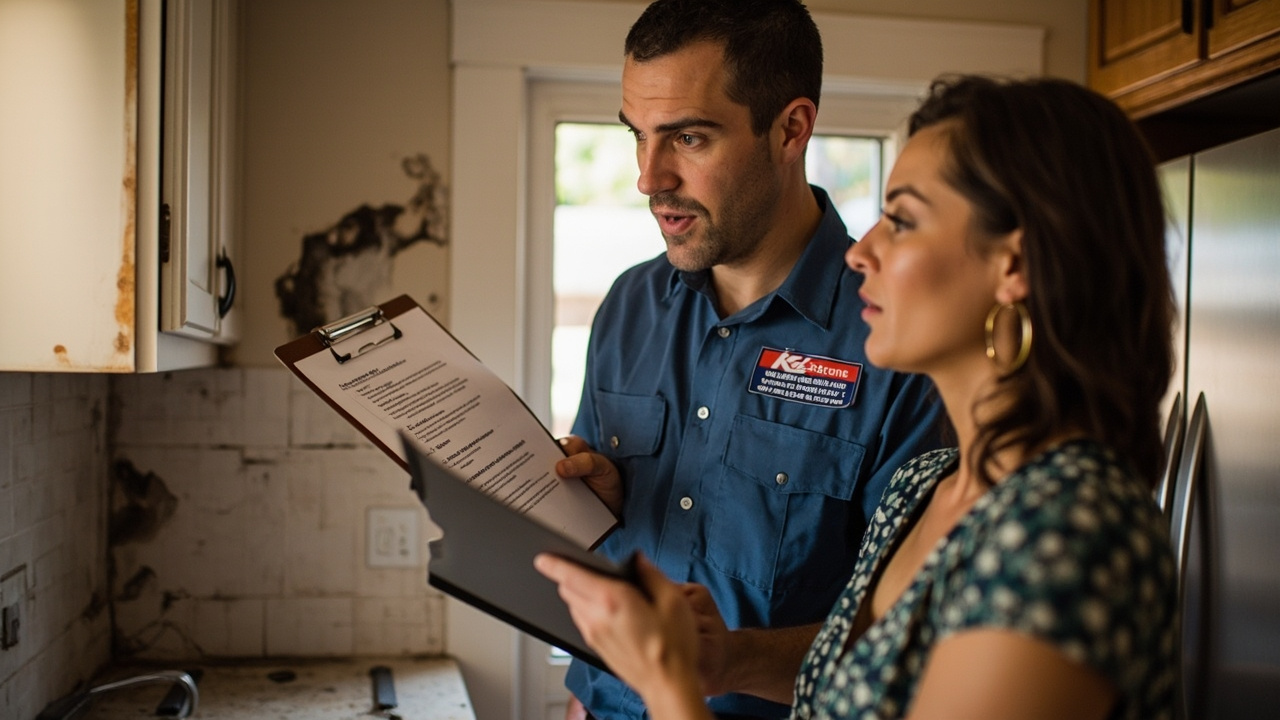
The evaluation begins with a discussion of what you observed during and after the fire. This conversation provides context that guides our inspection priorities. We then conduct the systematic exterior and interior evaluation described earlier. You can accompany us during the assessment or wait off-site while we work. We explain findings as we discover them, answering questions and clarifying concerns. Testing equipment includes thermal cameras, moisture meters, air quality monitors, and structural probes. We take extensive photographs and video that document conditions for your records and insurance claim. The assessment is non-invasive but thorough, identifying problems without causing additional damage to your property.

Report Deliverables

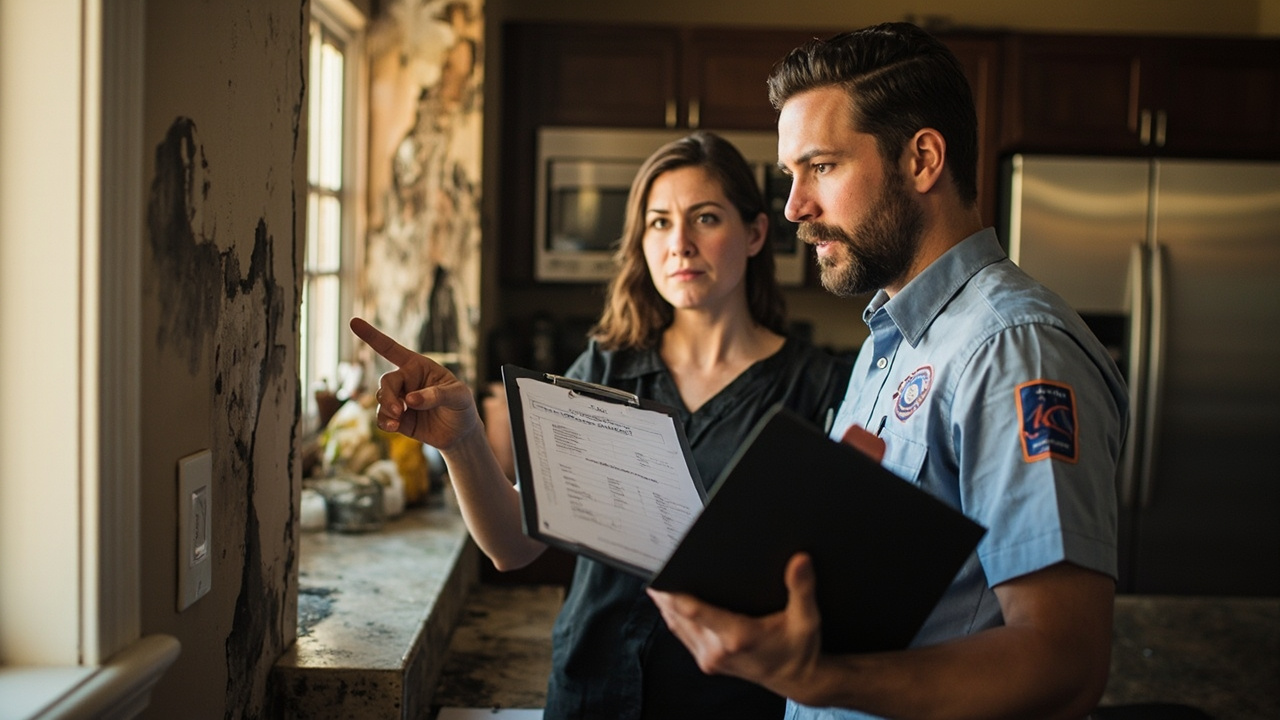
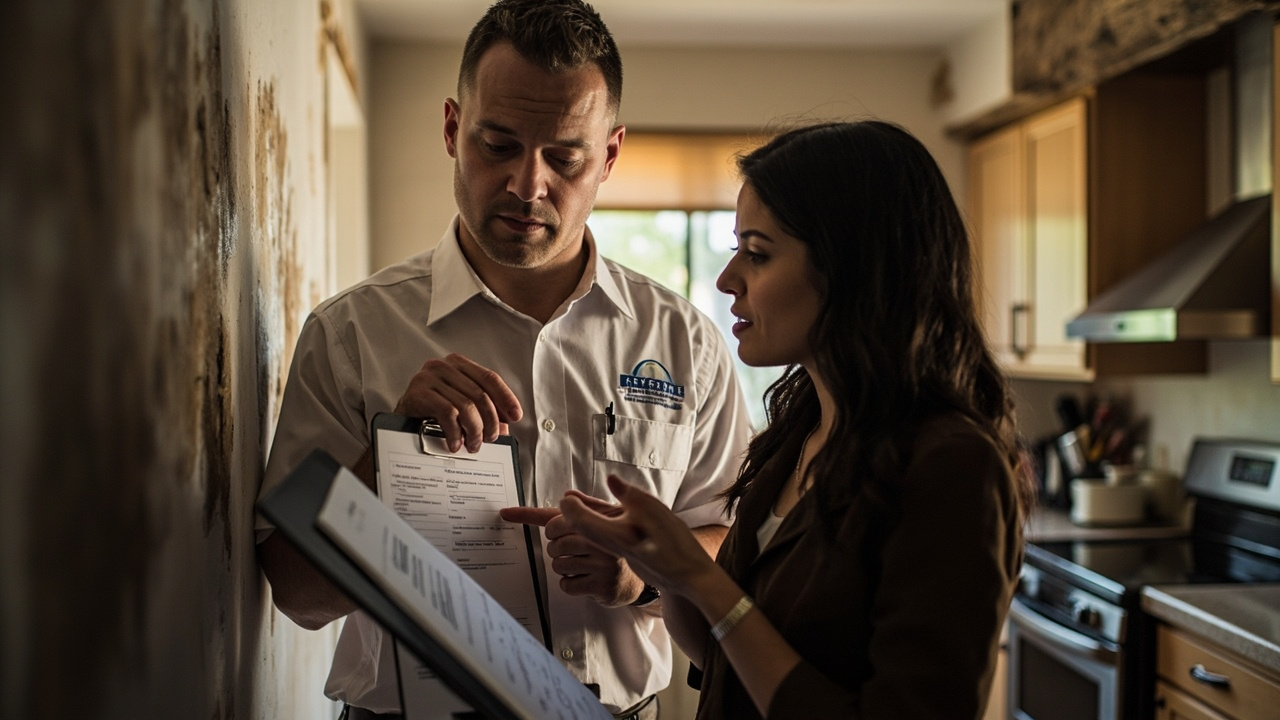
Your written report includes room-by-room findings, photographs with annotations, air quality test results, moisture mapping, and structural observations. Each hazard receives a priority rating that indicates urgency level. The report separates cosmetic damage from structural concerns and identifies which repairs require licensed contractors versus general labor. Cost implications are discussed in ranges without specific bids, giving you budget guidance for planning. The report format meets insurance industry standards and includes all documentation adjusters require for claim processing. You receive both digital and printed copies. This comprehensive documentation becomes your roadmap for recovery decisions.

Follow-Up Support

Post-fire recovery raises questions as work progresses. We remain available for follow-up consultation after delivering your assessment report. If contractors dispute findings or suggest alternative approaches, we provide clarification and technical guidance. When insurance adjusters request additional documentation or explanation, we communicate directly with them to support your claim. We conduct re-inspection after remediation work completes to verify that all identified hazards have been properly addressed. This ongoing support ensures the assessment remains useful throughout your entire recovery process. You are not abandoned after receiving the initial report. We stay engaged until your property is safe and restoration is complete.

Frequently Asked Questions

You Have Questions,
We Have Answers

How San Diego's Santa Ana Winds and Coastal Climate Affect Post-Fire Safety Protocols

San Diego's fire season coincides with Santa Ana wind events that push flames through communities rapidly while depositing smoke and particulates across wide areas. These hot, dry winds also accelerate chemical reactions in fire residue after flames are extinguished. Smoke particles that settle on surfaces become more concentrated as moisture evaporates in low-humidity conditions. Properties near canyon interfaces in areas like Rancho Bernardo or Scripps Ranch face additional exposure to wildfire smoke infiltration even when structures do not burn directly. The region's limited rainfall means fire residue remains on exterior surfaces for months unless actively removed. Post-fire safety steps must account for these extended exposure periods and the reactivation of toxic compounds when coastal moisture returns after Santa Ana conditions end.

San Diego County requires specific permitting for post-fire structural work, and local building officials scrutinize fire-damaged properties closely during inspections. Properties in historic districts like Old Town or Gaslamp Quarter face additional restrictions on reconstruction methods and materials. Our familiarity with San Diego's permitting process and inspector expectations streamlines recovery timelines. We understand which repairs trigger full code upgrade requirements and which qualify for repair-in-kind treatment. This local knowledge prevents costly mistakes during planning and ensures your recovery work passes inspection the first time. After fire safety precautions developed for other regions often miss San Diego-specific requirements that can delay occupancy or create compliance issues.
Water Damage Restoration Services in The San Diego Area

We are proud to serve the entire San Diego area and invite you to view our service region on the map below. While our emergency response team is mobile and always ready to dispatch to your location rapidly, our central operations base allows us to coordinate efficient service across all of San Diego County. Contact us today for immediate assistance, no matter where your property is located within our service area.

Address:
Keystone Water Damage Restoration San Diego, 4445 Eastgate Dr, San Diego, CA, 92121

Additional Services We Offer

Our news updates

Latest Articles & News from The Blogs

How Clogged Gutters Can Lead to a Flooded Perimeter in Talmadge When leaves and debris clog your gutters in Talmadge…

How Clogged Gutters Can Lead to a Flooded Perimeter in Talmadge

How Clogged Gutters Can Lead to a Flooded Perimeter in Talmadge When leaves and debris clog your gutters in Talmadge…

Keeping Your Bird Rock Art Collection Safe from Coastal Humidity

Keeping Your Bird Rock Art Collection Safe from Coastal Humidity San Diego’s coastal climate creates unique challenges for art collectors…

What Fairbanks Ranch Homeowners Should Know About Pool Leaks Near the Foundation

What Fairbanks Ranch Homeowners Should Know About Pool Leaks Near the Foundation A pool leak near your Fairbanks Ranch foundation…

Contact Us

Do not enter a fire-damaged structure without professional assessment. Hidden hazards threaten your health and safety. Call (858) 203-2555 now to schedule your comprehensive post-fire evaluation. We respond within 24 hours and deliver the documentation you need to move forward safely with recovery.