menu

Does Insurance Cover Mold in San Diego – Get Clear Answers on Your Policy Coverage and Claims Process

Understanding does insurance cover mold can save you thousands on remediation costs. We break down homeowners insurance mold coverage, exclusions, and the claims process to help San Diego property owners make informed decisions.

Slider Image 1
Slider Image 2
Slider Image 3
Slider Image 4
Slider Image 5
Slider Image 7
Slider Image 8
Slider Image 9
Slider Image 10
Slider Image 11

Why San Diego Property Owners Struggle with Mold Insurance Claims

You discovered mold behind your bathroom vanity or in your attic. You paid your homeowners insurance premiums for years. Now you need to know if your policy will cover the cleanup.

The answer frustrates most property owners. It depends.

San Diego's unique climate creates a perfect storm for mold confusion. The coastal marine layer brings morning moisture that seeps into walls. The rapid temperature swings between day and night create condensation in attics and crawl spaces. When winter storms roll through neighborhoods like La Jolla and Point Loma, hidden leaks can go unnoticed for weeks.

Most homeowners insurance mold coverage hinges on one critical factor: the source. If a covered peril caused the moisture, you likely have coverage. A burst pipe that leads to mold? Typically covered. Gradual moisture buildup from poor ventilation? Almost never covered.

The grey area creates problems. Insurance adjusters look for any reason to deny mold remediation insurance claims. They will argue the water damage happened slowly over time, even when you can prove otherwise. They will point to maintenance issues in your 1970s Clairemont bungalow or your Mission Valley condo to shift blame.

Does home insurance pay for mold removal in these disputed cases? Only if you understand your policy language and document everything correctly. Many San Diego residents lose thousands because they do not know how to navigate property insurance mold coverage disputes. The answer is rarely simple, but it is always specific to your situation and policy terms.

Why San Diego Property Owners Struggle with Mold Insurance Claims
How Insurance Companies Evaluate Mold Coverage Decisions

How Insurance Companies Evaluate Mold Coverage Decisions

Insurance companies follow a specific decision tree when you file for mold coverage. Understanding their evaluation process gives you leverage.

First, they identify the moisture source. Sudden water intrusion events like pipe bursts, water heater failures, or appliance malfunctions typically trigger coverage. The key word is sudden. If your washing machine hose split and flooded your laundry room overnight, leading to mold growth within 72 hours, you probably have a valid claim.

Second, they examine the timeline. Mold that appears within days of a covered water loss strengthens your claim. Mold discovered months later raises red flags. Adjusters assume you ignored the problem or failed to maintain your property.

Third, they review your policy endorsements. Standard California homeowners policies often cap mold coverage at ten thousand dollars. Some policies exclude mold entirely unless you purchased a separate mold endorsement. Check your declarations page for specific mold remediation insurance claims limits.

Fourth, they investigate causation. Did the mold result from a covered peril or from maintenance neglect? A leaking roof that went unrepaired for years will not trigger coverage. But a roof that failed during heavy December rains despite proper maintenance likely will.

The evaluation centers on one concept: fortuitous loss. Insurance covers unexpected, sudden events. It does not cover predictable deterioration. When San Diego homeowners understand this distinction, they can better position their claims.

Documentation matters more than anything. Photos of the water intrusion, repair estimates, moisture readings, and timeline records all strengthen is mold damage covered by insurance arguments. The burden of proof sits with you, not the insurance company.

What Happens When You File a Mold Insurance Claim

Does Insurance Cover Mold in San Diego – Get Clear Answers on Your Policy Coverage and Claims Process
01

Initial Claim Notification

Contact your insurance carrier immediately after discovering water damage. Report the loss within 24 to 48 hours, even if you have not confirmed mold growth yet. Request a claim number and document the representative's name and timestamp. Ask specifically about your policy's mold coverage limits and whether emergency mitigation costs are covered. Quick notification establishes the timeline and prevents the insurer from arguing you delayed remediation efforts.
02

Adjuster Inspection and Documentation

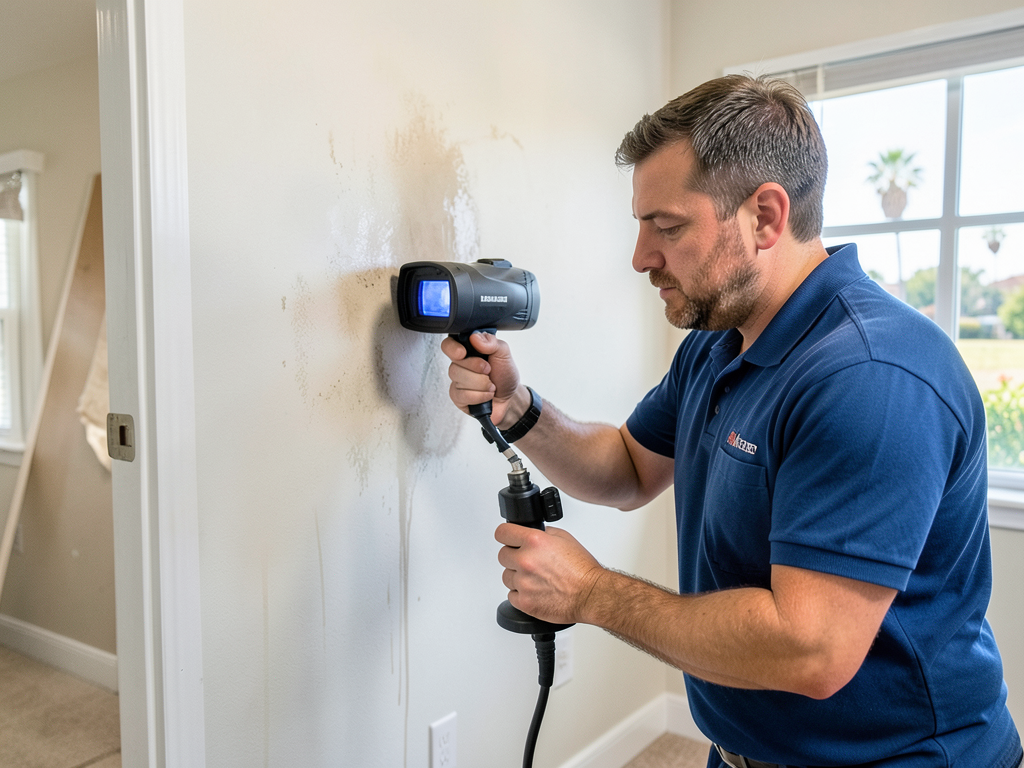
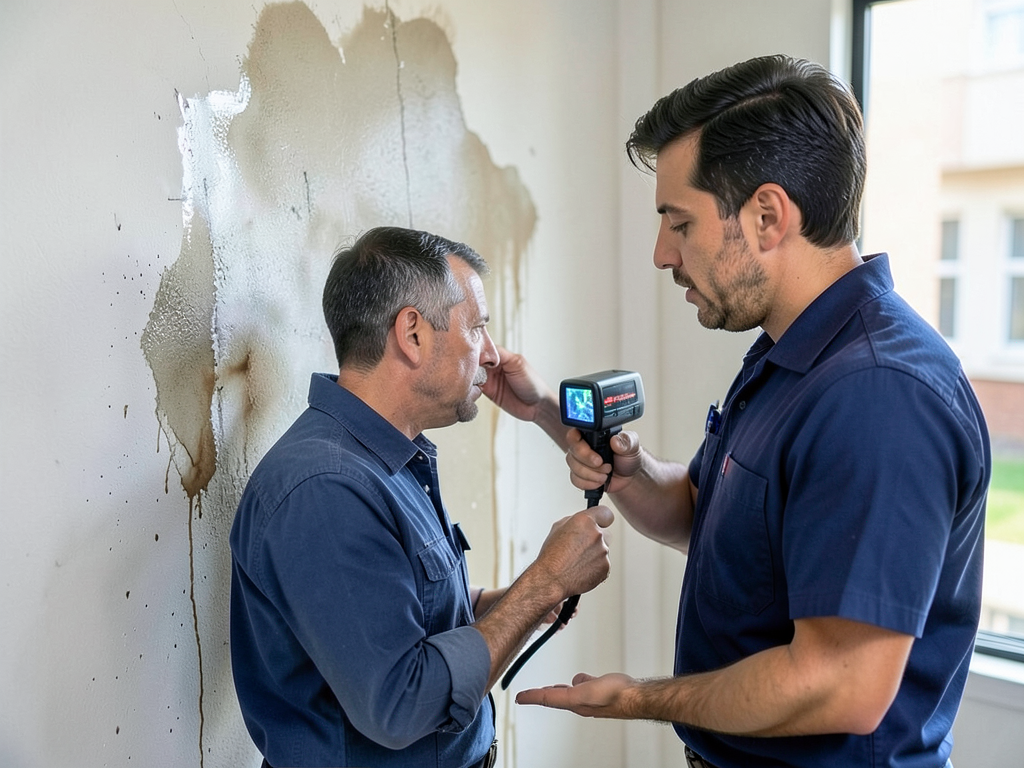
The insurance adjuster will schedule an inspection within three to five business days. They will photograph the damage, take moisture readings with thermal imaging cameras, and interview you about the timeline. Be precise with dates and details. Avoid speculation about cause. Show them maintenance records for your HVAC system, roof, and plumbing to demonstrate you maintained the property. The adjuster's report determines whether homeowners insurance mold coverage applies to your specific situation.
03

Coverage Determination and Settlement

The insurance company will issue a coverage decision within 10 to 15 business days. If approved, they will provide a settlement amount based on their contractor's estimates. This initial offer often falls below actual remediation costs. You can dispute the amount by providing competing estimates from licensed mold remediation contractors. If denied, you have appeal rights under California insurance law. Many property insurance mold coverage disputes settle during the appeal process before litigation becomes necessary.

Why San Diego Property Owners Need Local Mold and Insurance Expertise

Insurance companies use national databases and algorithms to evaluate mold claims. They do not account for San Diego's specific environmental factors unless you force them to.

The marine layer is not just fog. It brings salt-laden moisture that penetrates building envelopes differently than inland humidity. Homes in coastal zones from Ocean Beach to Del Mar face corrosion and moisture infiltration patterns that standard policies do not anticipate. When mold develops in these areas, the coverage argument requires local climate data to prove the loss was sudden, not gradual.

San Diego's building codes changed significantly after 1978. Older properties in neighborhoods like North Park and Normal Heights were built before modern moisture barrier requirements. Insurance adjusters will use these construction differences to argue that mold resulted from inherent building defects rather than covered perils. You need documentation showing your property met standards at the time of construction and that you maintained it properly since.

California-specific regulations also affect mold remediation insurance claims. The state requires specific testing protocols and containment procedures that impact remediation costs. Out-of-state adjusters often underestimate these expenses, leading to insufficient settlement offers.

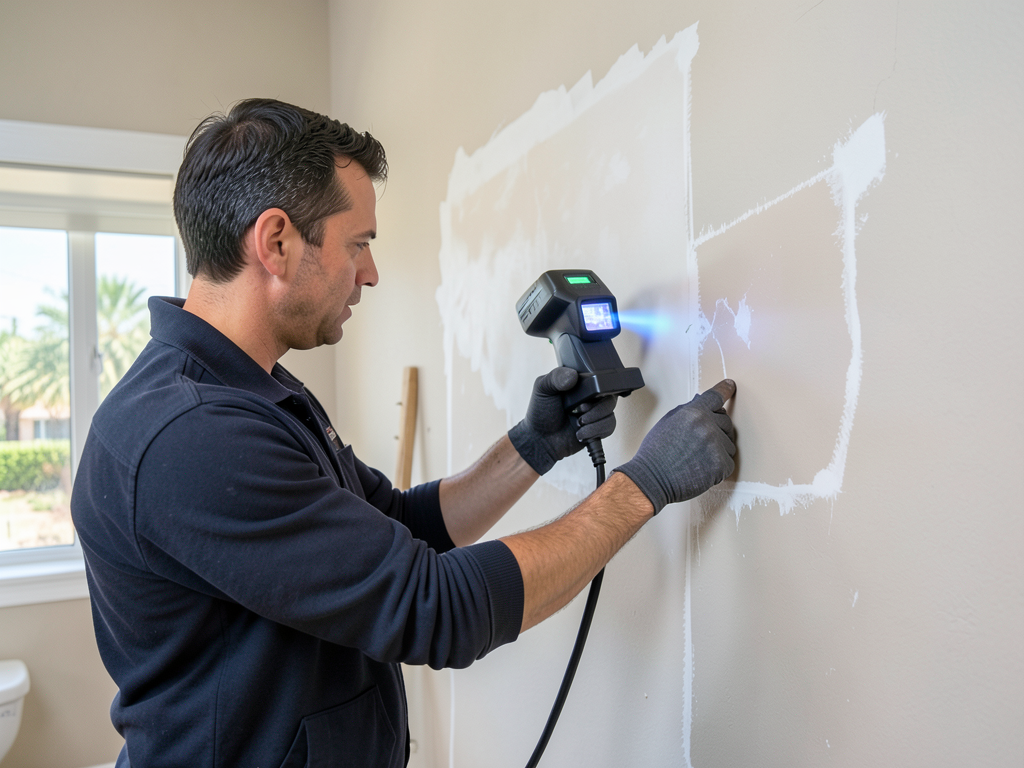
Keystone Water Damage Restoration San Diego understands the intersection between water damage response and insurance coverage requirements. We document moisture intrusion events with the detail insurers demand. Our reports include thermal imaging, moisture mapping, and timeline documentation that supports your claim.

We work directly with adjusters to explain why San Diego properties require different remediation approaches than properties in Phoenix or Sacramento. When disputes arise, our documentation has helped property owners secure coverage that initial denials rejected.

Local expertise means knowing which arguments work with which carriers in San Diego County specifically.

What to Expect When Filing a Mold Insurance Claim in San Diego

Response Time and Claim Processing

California insurance regulations require carriers to acknowledge your claim within 15 days and make a coverage decision within 40 days. In practice, straightforward claims with clear causation close faster. Disputed claims can drag for months. The timeline depends on documentation quality and whether the adjuster can immediately verify the moisture source. Emergency mitigation work often begins before coverage determination, creating financial risk if the claim gets denied. Most carriers will authorize emergency water extraction and drying to prevent further damage, but mold remediation authorization requires stronger proof of coverage. Expect multiple inspections if your claim exceeds ten thousand dollars.

The Insurance Adjuster's Assessment Process

The adjuster will examine your property with moisture meters, thermal cameras, and visual inspection. They will photograph everything and may collect samples if mold is visible. They will ask detailed questions about when you first noticed the problem, what you did in response, and your property maintenance history. Their goal is determining whether the loss fits policy coverage criteria. Be prepared to show maintenance records for your roof, HVAC system, and plumbing. The adjuster will also review your policy endorsements and limitations. Some will bring contractors to estimate remediation costs during the initial visit. Others will request estimates later. The assessment focuses on three questions: what caused the moisture, when did it start, and could you have prevented it through reasonable maintenance?

Coverage Limits and Settlement Amounts

Most California homeowners policies cap mold coverage between ten and fifty thousand dollars unless you purchased additional endorsements. The settlement amount rarely covers full remediation costs for extensive contamination. Insurance companies calculate actual cash value by depreciating materials based on age. They will subtract your deductible from any payout. If your policy includes a specific mold sublimit, that cap applies regardless of total water damage costs. Many property owners discover their fifty thousand dollar mold remediation falls under a ten thousand dollar policy cap, leaving them responsible for the difference. Review your declarations page before filing to understand your maximum recovery. Does home insurance pay for mold removal beyond policy limits? Never. The written limits control regardless of actual costs.

Dispute Resolution and Appeal Options

If your claim gets denied or undervalued, California law provides several appeal mechanisms. Start with a written appeal to the insurance company's claims supervisor within 30 days of the denial. Include competing estimates, environmental testing results, and any documentation contradicting their decision. If the internal appeal fails, file a complaint with the California Department of Insurance. The department investigates consumer complaints and can pressure carriers to reconsider. For significant disputes, appraisal clauses in your policy allow neutral third parties to evaluate damages. Litigation becomes the final option when settlement negotiations stall. Many mold remediation insurance claims settle during mediation before trial. Keep detailed records of all communications, expenses, and timeline events throughout the dispute process.

Frequently Asked Questions

You Have Questions,
We Have Answers

Should I tell my insurance company about mold? +

Yes, you should report mold to your insurance company immediately if it resulted from a covered peril like a burst pipe or storm damage. Delaying notification can jeopardize your claim. In San Diego, many policies exclude mold from gradual water damage or maintenance issues, but sudden accidents are often covered. Document everything with photos and dates before calling. Your adjuster will determine coverage based on the cause. Failing to report promptly can be seen as lack of due diligence, giving insurers grounds to deny your claim later.

Can you claim for mold on house insurance? +

You can claim mold on house insurance only if it stems from a covered peril. Most San Diego homeowners policies cover mold resulting from sudden, accidental water damage like pipe bursts or appliance leaks. They exclude mold from neglect, long-term leaks, or flooding without separate flood insurance. Review your policy declarations page for mold sub-limits, often capped at $10,000. If mold appears after a covered water loss, file promptly. Insurers require proof the damage was sudden and you took reasonable steps to mitigate further growth.

How long does it take for mold to spread in walls? +

Mold can begin spreading within 24 to 48 hours after water exposure, especially in San Diego's coastal humidity zones. Once airborne spores land on damp drywall or insulation, growth accelerates rapidly. Within walls, where moisture stays trapped, colonies can expand throughout the cavity in 72 hours. This is why immediate water extraction and drying are critical after leaks or floods. If you suspect hidden moisture behind walls, infrared cameras and moisture meters can detect problems before visible mold emerges. Speed is your best defense.

What are my rights if my insurance denies a mold claim? +

If your insurer denies a mold claim, request a written explanation citing the specific policy exclusion. Review your policy yourself or consult a public adjuster familiar with California insurance law. You can file an appeal with your carrier's internal dispute process. If that fails, contact the California Department of Insurance to file a complaint. In some cases, hiring a lawyer who handles bad faith insurance claims makes sense, especially if the denial seems unreasonable. Document all communications and gather evidence showing the loss was sudden and accidental.

Will my rates go up if I file a mold claim? +

Filing a mold claim may increase your premiums, depending on your carrier and claims history. Insurers view mold claims as high-risk because they often indicate poor maintenance or recurring moisture problems. In San Diego, where humidity and older homes are common, multiple claims can flag you as a higher underwriting risk. Some carriers non-renew policies after mold claims. If the claim is small and you can afford the remediation out-of-pocket, weigh the long-term cost of higher premiums against immediate savings. Your agent can clarify your specific risk.

What to do if you can't afford mold removal? +

If you cannot afford professional mold removal, start with immediate moisture control. Fix the leak, run dehumidifiers, and increase ventilation. Small surface mold on non-porous materials like tile can be scrubbed with detergent and water. For larger areas or porous materials like drywall, you risk health exposure and ineffective removal without proper equipment. Check if your homeowners policy covers any remediation costs. Some San Diego nonprofits and community programs offer assistance for low-income residents. Ignoring mold worsens health risks and property damage, costing more long-term.

What is the average cost of mold remediation? +

Cost factors for mold remediation include the contaminated area size, mold type, accessibility, and materials affected. Prices vary widely based on whether mold is surface-level or structural. In San Diego, costs also reflect labor rates and disposal fees for contaminated materials. Containment, air scrubbing, HEPA vacuuming, and antimicrobial treatment add to the total. Small bathroom mold differs drastically from whole-wall cavity infestations. Always get multiple written estimates from certified remediators. Insurance may cover some costs if the mold originated from a covered water loss.

How much does it cost to fix damp issues in a house? +

Fixing damp issues depends on the source. Exterior grading problems, foundation cracks, or faulty gutters require different solutions than interior plumbing leaks or poor ventilation. In San Diego, coastal moisture and older homes with inadequate vapor barriers create chronic damp conditions. Repairs might include waterproofing basements, installing French drains, upgrading HVAC systems, or repairing roof leaks. Costs vary widely based on scope. Address the moisture source first or mold will return. A moisture assessment identifies the root cause before you spend money on surface fixes.

What are the signs of mold in a house? +

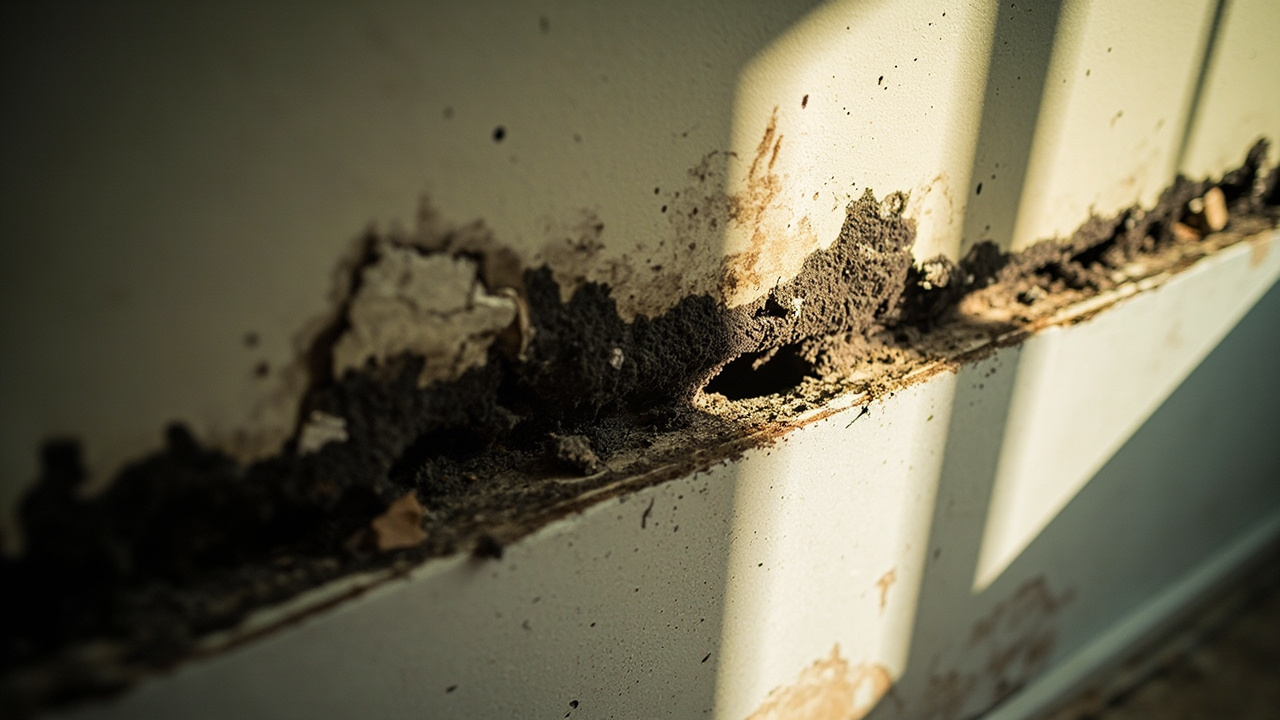
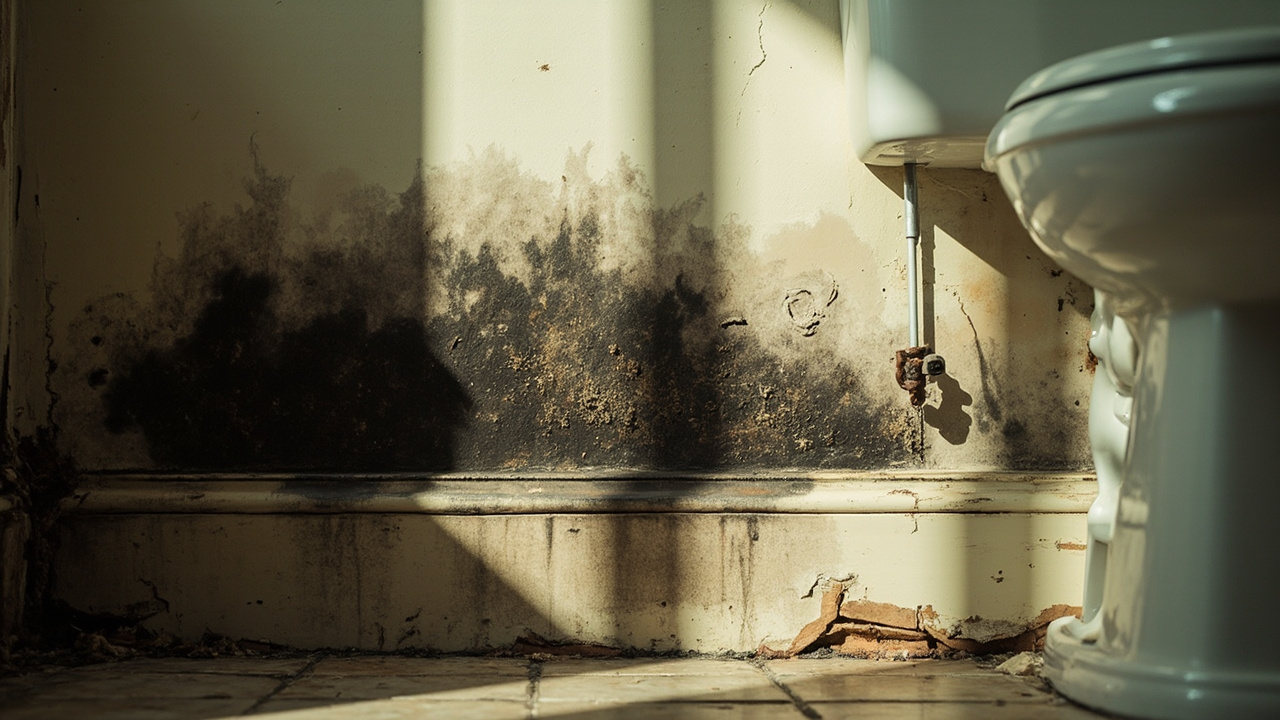
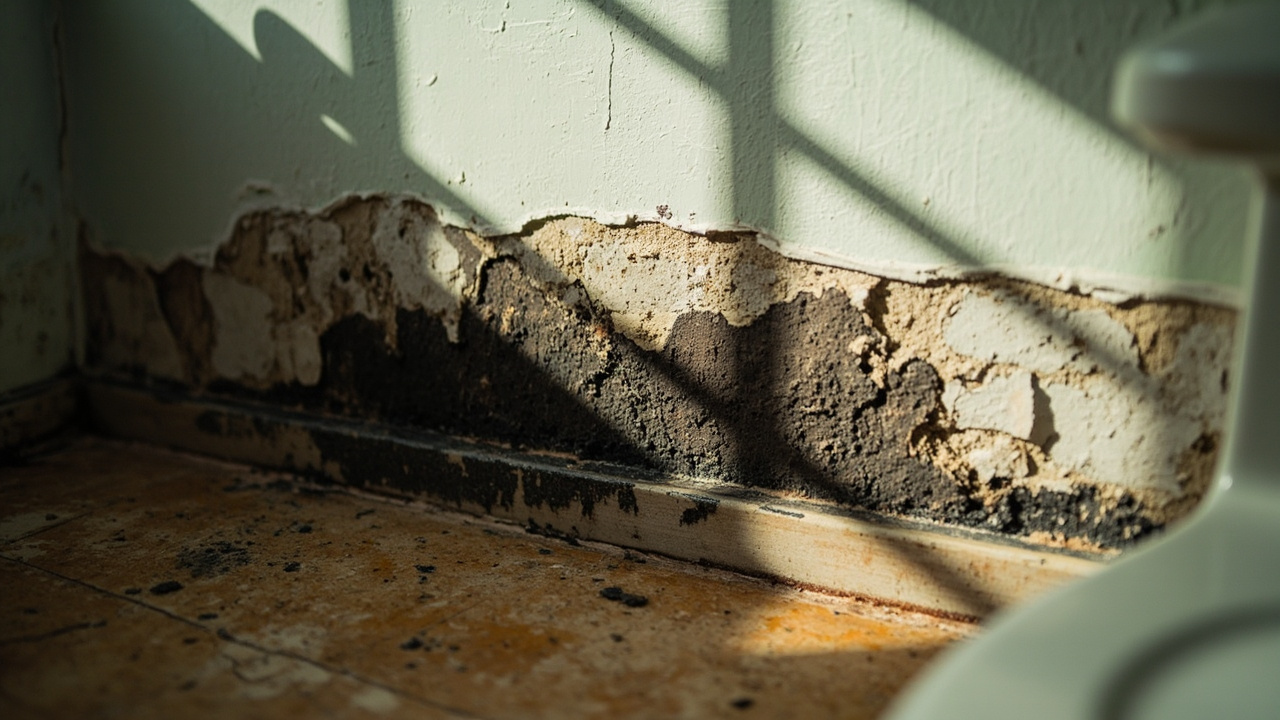
Visible signs of mold include black, green, or white patches on walls, ceilings, or grout. You may notice a musty, earthy odor even without visible growth. Warped drywall, peeling paint, or discoloration near windows and baseboards signal hidden moisture. In San Diego homes, check coastal-facing walls and bathrooms closely. Health symptoms like persistent coughing, sneezing, or headaches when indoors can also indicate mold presence. Water stains from past leaks are red flags. If you suspect hidden mold, a professional inspection with moisture mapping confirms the extent.

Will mold go away if it dries out? +

No, mold does not go away if it dries out. Drying stops active growth, but dead mold spores remain and still trigger allergic reactions and health issues. Spores can reactivate when moisture returns, which is common in San Diego's humid coastal climate. Dried mold also crumbles easily, becoming airborne and spreading to new areas. Proper remediation requires physical removal of contaminated materials and thorough cleaning with HEPA vacuums and antimicrobials. Simply drying the area without removal leaves the problem intact. Address both the moisture source and the mold itself.

How San Diego's Coastal Climate Affects Mold Insurance Coverage Disputes

San Diego's proximity to the Pacific Ocean creates constant moisture challenges that insurers misunderstand. The marine layer deposits microscopic water droplets on building surfaces every morning from May through August. This daily cycle does not constitute gradual moisture intrusion in the legal sense, but adjusters from Phoenix or Dallas will argue otherwise. Properties within two miles of the coast, from Coronado to Encinitas, experience salt air corrosion that damages flashing, fasteners, and sealants faster than inland properties. When these components fail during winter storms, the resulting water intrusion is sudden and fortuitous, meeting coverage requirements. The burden sits with you to prove the timeline and demonstrate that proper maintenance could not have prevented the failure. Local environmental data strengthens these arguments significantly.

San Diego County enforces specific building codes that affect mold remediation costs and insurance settlements. The 2022 California Building Code requires negative air pressure containment for mold remediation projects exceeding ten square feet. Disposal regulations through the City of San Diego's Environmental Services Department mandate specific handling procedures for contaminated materials. These local requirements increase remediation costs beyond what national insurance databases predict. When property insurance mold coverage disputes arise, documentation showing compliance with local codes justifies higher settlement amounts. Keystone Water Damage Restoration San Diego maintains relationships with local adjusters and understands which arguments resonate in San Diego County specifically. We provide the documentation that bridges the gap between generic policy language and local environmental realities.
Water Damage Restoration Services in The San Diego Area

We are proud to serve the entire San Diego area and invite you to view our service region on the map below. While our emergency response team is mobile and always ready to dispatch to your location rapidly, our central operations base allows us to coordinate efficient service across all of San Diego County. Contact us today for immediate assistance, no matter where your property is located within our service area.

Address:
Keystone Water Damage Restoration San Diego, 4445 Eastgate Dr, San Diego, CA, 92121

Additional Services We Offer

Our news updates

Latest Articles & News from The Blogs

Who Pays for Water Damage When a Neighbor’s Leak Affects Your San Diego Condo Discovering water damage in your condo…

Navigating Liability When a Neighbors Apartment Leaks into Your San Diego Condo

Who Pays for Water Damage When a Neighbor’s Leak Affects Your San Diego Condo Discovering water damage in your condo…

The Critical Steps Your Restoration Team Takes in the First Forty Eight Hours

The Critical Steps Your Restoration Team Takes in the First Forty Eight Hours When water invades your home in San…

Should You Try In Place Drying or Choose a Full Rip Out After a San Diego Flood

Should You Try In Place Drying or Choose a Full Rip Out After a San Diego Flood San Diego homeowners…

Contact Us

Do not wait for mold to spread while you figure out insurance coverage. Call Keystone Water Damage Restoration San Diego at (858) 203-2555 right now. We will review your situation, explain your coverage options, and document your property correctly. Time matters in mold claims.