
How to Manage High Humidity and Prevent Mold in Bankers Hill Historic Homes
Living in Bankers Hill means owning a piece of San Diego’s architectural history, but those beautiful Victorian and Craftsman homes come with unique challenges. The combination of San Diego’s coastal humidity and the age of Bankers Hill’s housing stock creates perfect conditions for mold growth if you do not take proactive steps. This guide shows you exactly how to manage indoor humidity and prevent mold in your historic Bankers Hill home.. Read more about Keeping Your Bird Rock Art Collection Safe from Coastal Humidity.
Bankers Hill’s location near Balboa Park and the bay means your home faces higher moisture levels than properties just a few miles inland. The morning marine layer, combined with older construction methods that did not account for modern humidity control, puts your home at risk. Without proper management, you could face costly mold remediation that damages both your property and your health.
Why Bankers Hill Homes Face Unique Mold Risks
Bankers Hill’s historic homes built before 1940 were constructed with materials and techniques that assume natural ventilation would handle moisture. These homes typically feature solid wood framing, plaster walls, and minimal vapor barriers. When San Diego’s coastal humidity meets these older building materials, moisture gets trapped inside walls and under floors.
The neighborhood’s elevation changes also create microclimates where certain blocks experience more moisture problems than others. Homes on the western slopes near Sixth Avenue often deal with higher humidity levels than those on the eastern side. The proximity to Balboa Park’s extensive irrigation system adds another moisture source that affects nearby properties.. Read more about Finding the Source of Attic Water Stains in Your Tierrasanta Home.
California Building Code Section 1203.4 requires proper ventilation in residential buildings, but many Bankers Hill homes predate these standards. The lack of modern vapor barriers and the presence of original single-pane windows allow moisture to penetrate deeper into your home’s structure than it would in newer construction.
Understanding San Diego’s Coastal Humidity Impact
San Diego’s average relative humidity ranges from 60 to 75 percent throughout the year, with morning levels often exceeding 80 percent due to the marine layer. This persistent moisture creates conditions where mold can begin growing within 24 to 48 hours of water exposure. The EPA recommends maintaining indoor humidity between 30 and 50 percent to prevent mold growth. EPA Mold Resources.
Bankers Hill’s proximity to the coast means your home experiences more frequent high-humidity days than properties in East County. The cool ocean air holds more moisture than the hot inland air, and when this moisture-laden air enters your home through windows, doors, or foundation cracks, it creates condensation on cooler surfaces.
Thermal imaging reveals that many Bankers Hill homes have hidden moisture problems behind walls and under floors. These moisture pockets provide ideal breeding grounds for mold species like Stachybotrys chartarum (black mold) and Aspergillus, which thrive in dark, humid environments with organic materials to feed on. Fixing hidden kitchen leak damage in North Park homes.
Top 5 Mold Prevention Strategies for Bankers Hill Residents
Managing humidity in your historic Bankers Hill home requires a systematic approach that addresses both prevention and early detection. Here are the five most effective strategies that work specifically for this neighborhood’s unique conditions.
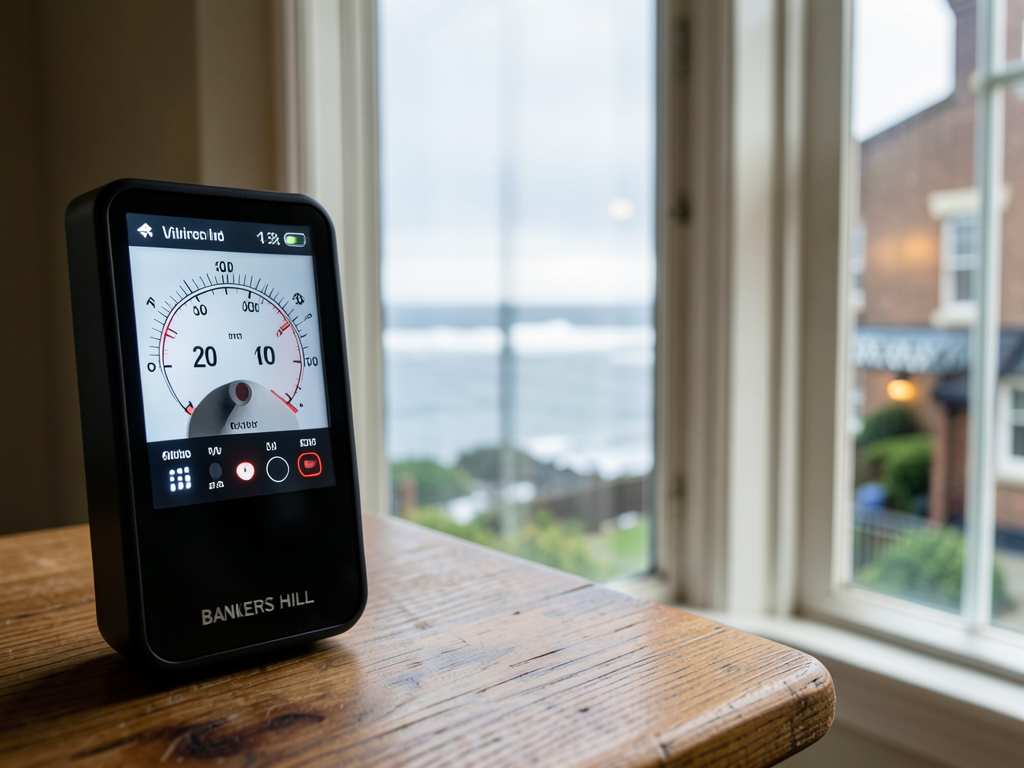
- Install Smart Humidity Monitors
Place digital hygrometers in key areas like bathrooms, basements, and near exterior walls. These devices alert you when humidity exceeds 60 percent, allowing you to take action before mold develops. Bankers Hill homes often have microclimates where one room stays humid while another remains dry. Basement Flood Cleanup.
- Upgrade Ventilation Systems
Install bathroom exhaust fans with humidity sensors that run automatically when moisture levels rise. Many Bankers Hill bathrooms lack proper ventilation, allowing shower steam to linger for hours. Kitchen range hoods should vent directly outside, not into attic spaces.
- Seal Foundation and Window Gaps
Check for air leaks around windows, doors, and foundation cracks. Bankers Hill’s older homes often have deteriorated weatherstripping and gaps that let humid air infiltrate. Use caulk and weatherstripping to create tighter seals while maintaining the home’s historic character.
- Maintain HVAC Systems
Clean or replace air filters monthly and schedule professional HVAC maintenance twice yearly. Dirty filters reduce airflow and trap moisture, creating conditions where mold grows inside ductwork. Ensure your system’s condensate drain lines are clear to prevent water accumulation. Professional water extraction services for Escondido residents.
- Control Indoor Moisture Sources
Fix plumbing leaks immediately, use dehumidifiers in problem areas, and ensure proper drainage around your foundation. Bankers Hill’s hillside properties need functional gutters and downspouts to direct water away from the foundation where it can seep into crawl spaces.
Professional Moisture Mapping and Detection
When humidity problems persist despite your best efforts, professional moisture mapping can identify hidden water sources that contribute to mold growth. This diagnostic process uses thermal imaging cameras and moisture meters to detect water accumulation behind walls, under floors, and in ceiling cavities. Professional flood restoration services for Del Mar homeowners.
Professional moisture mapping in Bankers Hill homes typically reveals three common problem areas: foundation cracks that allow groundwater intrusion, roof leaks that travel down wall cavities, and plumbing failures in walls shared between units in multi-family buildings. The thermal imaging process can detect temperature differences as small as 2 degrees Fahrenheit, which often indicate moisture presence.. Read more about Common Causes of Standing Water in Bay Park Crawl Spaces.
The IICRC S500 Standard for Professional Water Damage Restoration provides guidelines for moisture detection and documentation. This standard requires mapping the extent of water migration and establishing drying goals based on the specific materials affected. For historic Bankers Hill homes, this often means adjusting drying targets to prevent damage to original plaster or wood features. IICRC S500 Standard.
Moisture meters come in two main types: pin-type meters that penetrate surfaces to measure moisture content, and non-invasive meters that use radio frequency to detect moisture without damaging historic materials. Both are essential for comprehensive moisture assessment in Bankers Hill’s older homes.
Common Mold Species in Southern California Homes
Understanding which mold species commonly affect Bankers Hill homes helps you recognize potential problems early. The most frequent culprits in Southern California’s coastal climate include several species that thrive in the humidity levels typical of this area.
Stachybotrys chartarum, commonly called black mold, grows on materials with high cellulose content like wood, paper, and drywall when moisture levels remain elevated for extended periods. This toxic mold produces mycotoxins that can cause respiratory problems, headaches, and other health issues, particularly in children and elderly residents.
Aspergillus species are among the most common indoor molds and can grow on virtually any organic material when humidity exceeds 55 percent. Some Aspergillus species produce aflatoxins, which are carcinogenic compounds that pose serious health risks with prolonged exposure.
Cladosporium grows on both wood and textiles and thrives in cool, damp environments. This mold often appears as black or green spots on walls, ceilings, and fabrics. While less toxic than Stachybotrys, Cladosporium can still trigger allergic reactions and asthma attacks.
Penicillium species grow rapidly on water-damaged materials and can spread through a home’s HVAC system if not addressed quickly. This mold often has a blue or green appearance and produces a musty odor that many people associate with damp basements or crawl spaces. Rapid response pipe burst repair in Pacific Beach.
California Mold Disclosure Laws for Property Managers
If you own rental property in Bankers Hill, California law requires you to disclose known mold problems to tenants. Senate Bill 655, enacted in 2016, allows local jurisdictions to enforce standards for mold assessment and remediation in residential buildings.
Under California Civil Code Section 1102.6, landlords must disclose any known mold problems that exceed permissible exposure limits or that have caused property damage. This disclosure must occur before a tenant signs a lease agreement or within 30 days of discovering a mold problem.
The California Department of Public Health recommends that visible mold growth be addressed promptly, regardless of species. While there are no specific numerical standards for permissible mold levels in California residential properties, visible mold growth in areas larger than ten square feet typically requires professional remediation.
Property managers in Bankers Hill should also be aware of the Americans with Disabilities Act requirements regarding indoor air quality. Tenants with documented mold allergies or respiratory conditions may request reasonable accommodations, which could include professional mold remediation or temporary relocation during remediation work.
Early Warning Signs of Water Damage in Older Plumbing Systems
Bankers Hill’s historic homes often contain original plumbing systems that are reaching the end of their useful life. Recognizing early warning signs of plumbing problems can help you prevent the moisture buildup that leads to mold growth.
Listen for unusual sounds in your plumbing system. Banging pipes, whistling sounds when water runs, or persistent dripping noises often indicate failing components. These sounds suggest that pipes are corroding internally or that connections are loosening, both of which can lead to slow leaks that create ideal mold-growing conditions.
Check for water stains on ceilings, walls, and floors. These stains often appear as yellow or brown discolorations and may indicate active leaks above or behind the surface. In Bankers Hill homes, water can travel along structural members for considerable distances before appearing as visible stains, so the source may be several feet away from where you see the damage.
Monitor your water bill for unexplained increases. A sudden jump in water usage without a corresponding change in your habits often indicates a hidden leak. Even small leaks can release enough moisture over time to support mold growth, particularly in enclosed spaces like wall cavities or under floors.
Pay attention to musty odors, especially in basements, crawl spaces, or rooms with minimal air circulation. These odors often indicate active mold growth even when you cannot see visible signs. The human nose can detect mold-related compounds at very low concentrations, making it a valuable early warning system.. Read more about Identifying That Musty Smell in Your South Park Craftsman Home.
Seasonal Maintenance Schedule for Bankers Hill Homes
Creating a seasonal maintenance schedule helps you stay ahead of humidity and mold problems throughout the year. Bankers Hill’s climate creates different challenges during various seasons, requiring specific preventive measures.
Spring maintenance should focus on checking for winter storm damage and preparing for the summer marine layer. Inspect your roof for missing or damaged shingles, clean gutters and downspouts, and check exterior grading to ensure water drains away from your foundation. This is also the time to test your sump pump if you have one.
Summer in Bankers Hill brings the marine layer and increased humidity. Check your HVAC system’s condensate drain lines for clogs, clean or replace air filters, and ensure bathroom exhaust fans are functioning properly. Consider running a dehumidifier in problem areas during the most humid months of June through September.
Fall maintenance should prepare your home for the rainy season. Inspect your foundation for new cracks, check weatherstripping around windows and doors, and clean debris from roof valleys where water can accumulate. This is also a good time to schedule professional HVAC maintenance before the heating season begins.
Winter brings the highest rainfall to Bankers Hill, typically between December and March. Check your attic for roof leaks after heavy storms, monitor basement humidity levels more frequently, and ensure your heating system maintains consistent temperatures to prevent condensation on cold surfaces.
When Prevention Becomes Remediation
Despite your best prevention efforts, sometimes mold problems become severe enough to require professional remediation. Understanding when to call in experts can save you money and prevent health problems.
Call a professional if you discover mold covering more than ten square feet, if mold returns repeatedly after cleaning, or if you experience persistent musty odors despite addressing visible moisture sources. Professional remediation becomes necessary when mold has penetrated porous materials like drywall, insulation, or carpet padding.
The remediation process typically follows IICRC S520 Standard guidelines, which require containment of affected areas, removal of contaminated materials, cleaning of salvageable items, and verification of successful remediation. This process can take anywhere from a few days to several weeks depending on the extent of contamination.
Professional remediation costs in Bankers Hill typically range from $15 to $30 per square foot, with total project costs varying based on the extent of contamination and the need for specialized equipment like negative air machines or HEPA filtration systems. While this represents a significant investment, it pales in comparison to the potential health costs and property damage from untreated mold problems.
Insurance coverage for mold remediation varies widely. Most standard homeowners policies exclude mold damage unless it results from a covered peril like a burst pipe. Review your policy carefully and consider adding mold coverage if you live in a high-risk area like Bankers Hill.
Frequently Asked Questions
What humidity level should I maintain in my Bankers Hill home?
Maintain indoor humidity between 30 and 50 percent. Use a hygrometer to monitor levels, especially during San Diego’s marine layer season when outdoor humidity can exceed 80 percent.
How quickly can mold grow in my historic Bankers Hill home?
Mold can begin growing within 24 to 48 hours of water exposure. The combination of San Diego’s coastal humidity and your home’s older construction materials creates conditions where mold spreads rapidly if moisture problems are not addressed promptly.
Should I test for mold if I cannot see it but smell something musty?
Yes. Musty odors often indicate active mold growth even when you cannot see visible signs. Professional mold testing can identify hidden problems behind walls, under floors, or in HVAC systems before they become severe.
Protect Your Bankers Hill Investment Today
Your historic Bankers Hill home represents a significant investment that deserves protection from the unique moisture challenges this neighborhood presents. By implementing the prevention strategies outlined in this guide, you can maintain healthy indoor air quality and preserve your home’s structural integrity for generations to come.
Remember that humidity management is not a one-time project but an ongoing process that requires seasonal attention and prompt response to warning signs. The cost of prevention is always less than the cost of remediation, both in terms of money and peace of mind.
If you suspect mold problems in your Bankers Hill home or want professional assessment of your humidity control systems, do not wait for the problem to worsen. Call (858) 203-2555 today to schedule your inspection. Our team understands the unique challenges of San Diego’s coastal climate and historic architecture, and we are ready to help you protect your home from mold damage.
Pick up the phone and call (858) 203-2555 before the next marine layer settles over Bankers Hill. Early intervention can prevent thousands of dollars in damage and protect your family’s health from the risks of toxic mold exposure.

You may also find this helpful. Keeping Your Gaslamp Quarter Business Mold Free During the Humid Months.
You may also find this helpful. Stopping May Gray Dampness from Turning into Mold in Mission Hills.
You may also find this helpful. Is it Termites or Just Wood Rot in Your Oak Park Wood Siding.
{
“@context”: “https://schema.org”,
“@type”: “BlogPosting”,
“headline”: “How to Manage High Humidity and Prevent Mold in Bankers Hill Historic Homes”,
“description”: “Protect your Bankers Hill historic home from mold with expert humidity control strategies. Learn prevention tips for San Diego’s coastal climate and Victorian architecture.”,
“wordCount”: 2422,
“datePublished”: “2026-03-18T07:35:00.000Z”,
“dateModified”: “2026-03-18T07:35:00.000Z”,
“inLanguage”: “en-US”,
“mainEntityOfPage”: {
“@type”: “WebPage”,
“@id”: “https://keystonewaterdamagerestorationsandiego.com”
},
“publisher”: {
“@type”: “LocalBusiness”,
“name”: “Keystone Water Damage Restoration San Diego”,
“url”: “https://keystonewaterdamagerestorationsandiego.com”
},
“author”: {
“@type”: “Organization”,
“name”: “Keystone Water Damage Restoration San Diego”,
“url”: “https://keystonewaterdamagerestorationsandiego.com”
},
“image”: {
“@type”: “ImageObject”,
“url”: “https://keystonewaterdamagerestorationsandiego.com/wp-content/uploads/2026/03/how-to-manage-high-humidity-and-prevent-mold-in-ba-1.png”
}
}
{
“@context”: “https://schema.org”,
“@type”: “LocalBusiness”,
“name”: “Keystone Water Damage Restoration San Diego”,
“url”: “https://keystonewaterdamagerestorationsandiego.com”,
“address”: {
“@type”: “PostalAddress”,
“addressLocality”: “San Diego”
},
“areaServed”: {
“@type”: “City”,
“name”: “San Diego”
}
}
{
“@context”: “https://schema.org”,
“@type”: “FAQPage”,
“mainEntity”: [
{
“@type”: “Question”,
“name”: “What humidity level should I maintain in my Bankers Hill home?”,
“acceptedAnswer”: {
“@type”: “Answer”,
“text”: “Maintain indoor humidity between 30 and 50 percent. Use a hygrometer to monitor levels, especially during San Diego’s marine layer season when outdoor humidity can exceed 80 percent.”
}
},
{
“@type”: “Question”,
“name”: “How quickly can mold grow in my historic Bankers Hill home?”,
“acceptedAnswer”: {
“@type”: “Answer”,
“text”: “Mold can begin growing within 24 to 48 hours of water exposure. The combination of San Diego’s coastal humidity and your home’s older construction materials creates conditions where mold spreads rapidly if moisture problems are not addressed promptly.”
}
},
{
“@type”: “Question”,
“name”: “Should I test for mold if I cannot see it but smell something musty?”,
“acceptedAnswer”: {
“@type”: “Answer”,
“text”: “Yes. Musty odors often indicate active mold growth even when you cannot see visible signs. Professional mold testing can identify hidden problems behind walls, under floors, or in HVAC systems before they become severe.”
}
}
]
}
{
“@context”: “https://schema.org”,
“@type”: “HowTo”,
“name”: “Mold Prevention Strategies”,
“step”: [
{
“@type”: “HowToStep”,
“position”: 1,
“name”: “Install Smart Humidity Monitors”,
“text”: “Place digital hygrometers in key areas like bathrooms, basements, and near exterior walls. These devices alert you when humidity exceeds 60 percent, allowing you to take action before mold develops. Bankers Hill homes often have microclimates where one room stays humid while another remains dry. Basement Flood Cleanup.”
},
{
“@type”: “HowToStep”,
“position”: 2,
“name”: “Upgrade Ventilation Systems”,
“text”: “Install bathroom exhaust fans with humidity sensors that run automatically when moisture levels rise. Many Bankers Hill bathrooms lack proper ventilation, allowing shower steam to linger for hours. Kitchen range hoods should vent directly outside, not into attic spaces.”
},
{
“@type”: “HowToStep”,
“position”: 3,
“name”: “Seal Foundation and Window Gaps”,
“text”: “Check for air leaks around windows, doors, and foundation cracks. Bankers Hill’s older homes often have deteriorated weatherstripping and gaps that let humid air infiltrate. Use caulk and weatherstripping to create tighter seals while maintaining the home’s historic character.”
},
{
“@type”: “HowToStep”,
“position”: 4,
“name”: “Maintain HVAC Systems”,
“text”: “Clean or replace air filters monthly and schedule professional HVAC maintenance twice yearly. Dirty filters reduce airflow and trap moisture, creating conditions where mold grows inside ductwork. Ensure your system’s condensate drain lines are clear to prevent water accumulation. Professional water extraction services for Escondido residents.”
},
{
“@type”: “HowToStep”,
“position”: 5,
“name”: “Control Indoor Moisture Sources”,
“text”: “Fix plumbing leaks immediately, use dehumidifiers in problem areas, and ensure proper drainage around your foundation. Bankers Hill’s hillside properties need functional gutters and downspouts to direct water away from the foundation where it can seep into crawl spaces.”
}
],
“image”: “https://keystonewaterdamagerestorationsandiego.com/wp-content/uploads/2026/03/how-to-manage-high-humidity-and-prevent-mold-in-ba-1.png”
}
{
“@context”: “https://schema.org”,
“@type”: “BreadcrumbList”,
“itemListElement”: [
{
“@type”: “ListItem”,
“position”: 1,
“name”: “Home”,
“item”: “https://keystonewaterdamagerestorationsandiego.com”
},
{
“@type”: “ListItem”,
“position”: 2,
“name”: “Blog”,
“item”: “https://keystonewaterdamagerestorationsandiego.com/blog”
},
{
“@type”: “ListItem”,
“position”: 3,
“name”: “How to Manage High Humidity and Prevent Mold in Bankers Hill Historic Homes”
}
]
}
{
“@context”: “https://schema.org”,
“@type”: “Service”,
“serviceType”: “Water Damage Restoration”,
“provider”: {
“@type”: “LocalBusiness”,
“name”: “Keystone Water Damage Restoration San Diego”,
“url”: “https://keystonewaterdamagerestorationsandiego.com”
},
“areaServed”: {
“@type”: “City”,
“name”: “San Diego”
},
“description”: “Protect your Bankers Hill historic home from mold with expert humidity control strategies. Learn prevention tips for San Diego’s coastal climate and Victorian architecture.”
}