
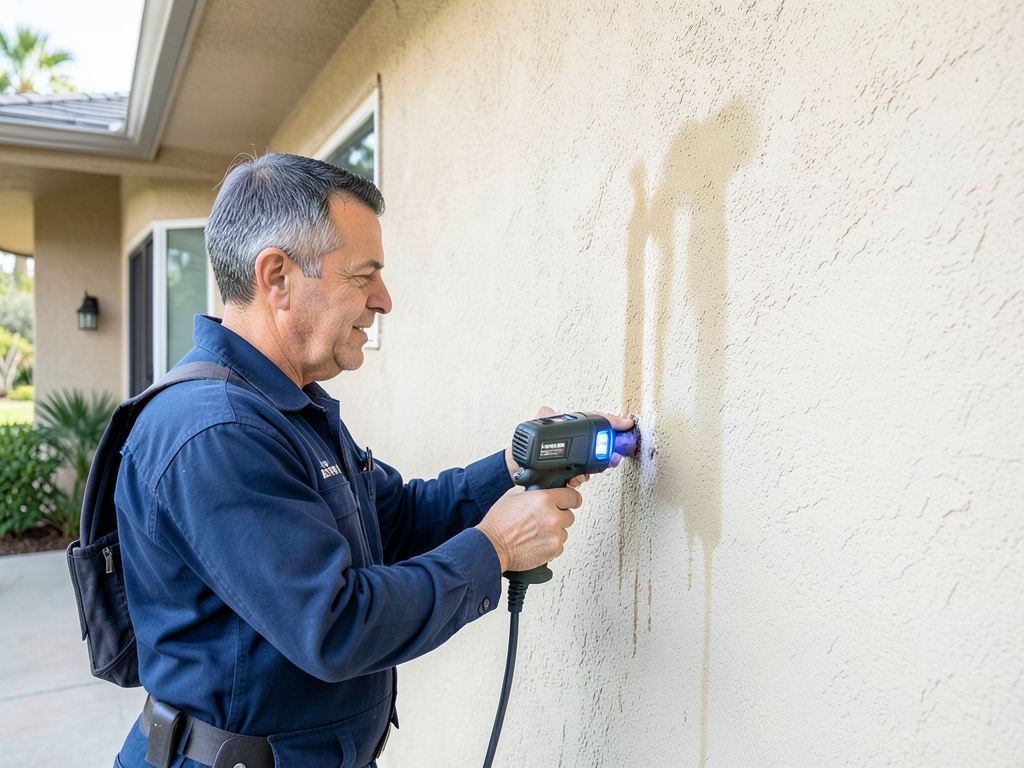
How to Use a Moisture Meter to Check if Your Torrey Pines Home is Dry
After water damage occurs in your Torrey Pines home the most pressing question becomes: is it actually dry. Water can hide in wall cavities under flooring and inside insulation long after surfaces feel dry to the touch. Using a moisture meter provides the only reliable way to verify complete drying and prevent costly secondary damage like mold growth or structural rot. Professional water extraction services for Escondido residents.
A quality moisture meter detects water content in materials by measuring electrical resistance or using electromagnetic signals. This allows you to identify wet areas that would otherwise remain invisible. For Torrey Pines homeowners dealing with leaks from aging plumbing or storm damage the ability to confirm dryness becomes essential for protecting your property investment.. Read more about Fixing Water Intrusion Around Barrio Logan Window Frames.
Before testing understand that Torrey Pines’ coastal location creates unique challenges. The marine layer brings high humidity that can skew readings and make it harder to achieve truly dry conditions. Professional restoration teams use specialized equipment and drying chambers to overcome these environmental factors something DIY testing cannot replicate. Professional flood restoration services for Del Mar homeowners.
Types of Moisture Meters for Home Testing
Two main categories exist for moisture detection: pin-type and pinless meters. Each serves different purposes in the restoration process.
Pin-type meters use two sharp probes that penetrate the material surface. When inserted they measure electrical resistance between the pins. Water conducts electricity so higher moisture content creates lower resistance readings. These meters work well for wood drywall and other porous materials but leave small puncture marks.
Pinless meters use electromagnetic sensors to scan material surfaces without penetration. They work by sending signals into the material and measuring the return pattern. These prove ideal for finished surfaces like hardwood floors tile and painted walls where you cannot damage the finish.
Professional restoration teams often use both types. Pin meters verify moisture depth while pinless meters scan large areas quickly. For Torrey Pines homes with stucco exteriors and tile flooring pinless meters become particularly valuable since they cannot damage these surfaces.
Understanding Moisture Meter Readings
Moisture meters display readings as percentages or relative scales. Wood typically shows 0-30% moisture content with readings above 15% indicating potential problems. Drywall and concrete use relative scales since they do not have standard moisture percentages.
For Torrey Pines homes affected by coastal humidity ambient readings often register 12-15% even in dry materials. This baseline matters because it affects what you consider “dry.” Professional restorers use the dry standard method comparing affected materials to unaffected ones in the same environment.. Read more about Keeping Your Bird Rock Art Collection Safe from Coastal Humidity.
Temperature and humidity dramatically impact readings. Cold materials hold more moisture than warm ones. High humidity air causes materials to absorb moisture from the atmosphere. This explains why Torrey Pines homes may show elevated readings even when structurally sound.
Professional-grade meters include temperature compensation and data logging. Consumer models often lack these features making them less reliable for critical decisions. The cost difference between professional and consumer meters typically ranges from $100 to $500 depending on features.
Step-by-Step Moisture Testing Process
Begin testing by establishing a dry standard. Select materials in unaffected areas of your home that match the construction of damaged areas. Test these materials to establish baseline readings. This becomes your target for restoration.
Map the affected area systematically. Start at the source of water damage and work outward in concentric circles. Water spreads through capillary action and gravity so damage often extends beyond visible boundaries. Document all readings on a floor plan or sketch.
Test materials at multiple depths. Surface readings may appear normal while deeper layers remain saturated. For walls test at 1/4 inch intervals to a depth of at least 1 inch. For floors test through the finish layer into the subfloor.
Track readings over time. Materials may release moisture slowly requiring multiple testing sessions. Record dates times and readings to identify drying patterns. Professional restorers often test daily until readings stabilize below the established dry standard.
Pay special attention to hidden areas. Check behind baseboards inside wall cavities under cabinets and in attic spaces. These areas trap moisture and become mold breeding grounds if left untreated. Fixing hidden kitchen leak damage in North Park homes.
Common Problem Areas in Torrey Pines Homes
Torrey Pines’ unique geography creates specific moisture problems. Homes near the lagoon often experience groundwater intrusion through slab foundations. The clay soils common in this area expand when wet putting pressure on plumbing and creating slab leaks.
Spanish Colonial Revival homes common in Torrey Pines feature thick plaster walls that trap moisture. These walls may show normal surface readings while interior layers remain saturated. The lime plaster used in many older homes also absorbs moisture readily.
Flat roof designs popular in modern Torrey Pines architecture create ponding issues. Standing water finds entry points through aging roofing materials. Once inside the water travels through ceiling cavities often going unnoticed until extensive damage occurs.
Many Torrey Pines homes sit on concrete slabs common in San Diego construction. These slabs develop cracks over time allowing moisture migration. Testing requires specialized meters that can read through concrete to detect slab moisture levels.
The marine layer affects indoor humidity levels creating condensation on cool surfaces. This moisture can accumulate in wall cavities and under flooring especially in north-facing rooms that receive less direct sunlight.
Professional vs. DIY Testing Equipment
Professional restoration teams use specialized equipment that exceeds consumer capabilities. Thermal imaging cameras detect temperature differences indicating moisture presence. These cameras show cold spots where water evaporates creating temperature drops.
Hygrometers measure air moisture content and track drying progress. Professional models include data logging and remote monitoring capabilities. This allows teams to track conditions 24/7 and adjust equipment automatically.
Professional meters offer higher accuracy and durability. They include features like automatic temperature compensation adjustable sensitivity and calibration verification. Many also store reading histories for documentation purposes.
Consumer meters typically cost $30-$200 while professional models range from $300-$2000. The price difference reflects accuracy durability and feature sets. For critical decisions like insurance claims professional testing provides documentation that consumer testing cannot match.
Professional teams also use invasive testing methods when necessary. These include drilling small holes to insert probes or removing small sections of material to inspect hidden areas. While destructive these methods provide definitive answers about moisture conditions.
When to Call Professional Restoration Services
DIY testing works for minor incidents but certain situations require professional intervention. If moisture readings exceed 20% in wood materials or show elevated levels in multiple areas call professionals immediately.
Visible mold growth indicates moisture problems have persisted for at least 48-72 hours. By this time professional remediation becomes necessary to prevent health hazards and further damage.
Musty odors suggest hidden moisture even when visual signs seem minimal. Mold can grow inside wall cavities under flooring and in attic spaces creating health risks before becoming visible.
Structural concerns like sagging ceilings warped floors or soft drywall indicate extensive moisture damage. These situations require immediate professional assessment to prevent collapse or further deterioration.
Insurance claims often require professional documentation. Most policies require proof of damage extent and drying verification. Professional moisture mapping provides the documentation insurance companies require for claim approval.
Time sensitivity matters significantly. Mold begins growing within 24-48 hours of water exposure. The longer moisture persists the more extensive and expensive remediation becomes.
Moisture Testing and Insurance Documentation
Professional moisture documentation follows standardized procedures that insurance companies recognize. This includes written reports photographic evidence and moisture mapping diagrams. These documents prove damage extent and verify proper restoration.
Insurance adjusters look for specific information in moisture reports. They need material types affected moisture levels before and after drying and verification that materials reached industry standard dry levels. Professional reports provide this information in formats adjusters understand.
Many Torrey Pines homeowners discover their insurance policies require professional testing for certain types of damage. Flood damage mold remediation and structural drying often need certified documentation for coverage approval. Basement Flood Cleanup.
Professional restoration companies maintain relationships with insurance providers. They understand documentation requirements and can communicate effectively with adjusters. This expertise often results in faster claim approvals and better coverage outcomes.
Without proper documentation homeowners may face denied claims or reduced settlements. Insurance companies can argue that damage existed before the incident or that restoration was incomplete without professional verification.
Preventing Future Moisture Problems
After addressing current moisture issues prevention becomes critical. Regular plumbing inspections catch small leaks before they cause major damage. Check under sinks around water heaters and near appliances monthly.
Roof maintenance prevents water intrusion. Clean gutters twice yearly and inspect flashing around chimneys vents and skylights. Replace aging roofing materials before they fail.
Proper ventilation reduces indoor humidity. Use exhaust fans in bathrooms and kitchens. Consider whole-house dehumidifiers for Torrey Pines’ coastal climate where natural humidity remains elevated.
Landscape grading directs water away from foundations. Ensure soil slopes away from your home at a minimum 6-inch drop over 10 feet. Extend downspouts to discharge water at least 5 feet from foundations.
Monitor your water bill for unexplained increases. A sudden spike often indicates hidden leaks. Address these immediately before they cause extensive damage.
Consider installing water leak detection systems. These monitor for unusual water usage and can automatically shut off supply lines when leaks occur. Many modern systems integrate with smartphone apps for remote monitoring.
Understanding Torrey Pines Building Materials
Torrey Pines homes feature construction materials that affect moisture behavior. Stucco exteriors common in this area absorb and release moisture slowly. This creates challenges for accurate moisture testing since surface readings may not reflect internal conditions.
Concrete slab foundations in Torrey Pines homes develop moisture issues from groundwater and plumbing leaks. These slabs require specialized testing since standard meters cannot read through concrete effectively.
Wood framing in coastal homes faces unique challenges. Salt air accelerates wood deterioration while high humidity promotes mold growth. Pressure-treated lumber helps but does not eliminate these risks.
Tile flooring popular in Torrey Pines homes can hide subfloor moisture problems. Water penetrates grout lines and migrates under tiles where it remains trapped. Testing requires removing tiles or using specialized meters designed for tile applications.
Many Torrey Pines homes feature radiant heating systems in flooring. These systems can develop leaks that go unnoticed for months. Moisture testing around these systems requires special consideration since temperature affects readings.
Cost Considerations for Moisture Testing
DIY moisture testing costs range from $30 for basic meters to $200 for professional-grade consumer models. While economical these tools lack the accuracy and features of professional equipment.
Professional moisture testing typically costs $300-$800 depending on home size and testing scope. This includes comprehensive scanning documentation and written reports suitable for insurance purposes.
Insurance companies often cover professional testing when performed as part of a covered claim. However they may not cover testing for suspected but unconfirmed damage. Check your policy details before scheduling professional services.
The cost of missed moisture problems far exceeds testing expenses. Mold remediation typically costs $2000-$10000 while structural repairs can exceed $20000. Professional testing prevents these costly secondary damages. EPA mold information.
Consider professional testing an investment rather than an expense. The documentation provided often results in better insurance settlements and prevents costly mistakes during restoration.
Environmental Factors Affecting Torrey Pines Moisture Levels
Torrey Pines’ coastal location creates unique moisture challenges. The marine layer brings high humidity especially during May and June “June Gloom” periods. This natural humidity affects indoor moisture levels and complicates drying efforts.
Seasonal Santa Ana winds occasionally affect Torrey Pines creating rapid humidity changes. These wind events can dry materials quickly but also drive moisture into building cavities through pressure differentials. Rapid response pipe burst repair in Pacific Beach.
Proximity to the ocean means salt air affects moisture behavior. Salt water conducts electricity differently than fresh water affecting meter readings. Salt also accelerates material deterioration when moisture is present.
Torrey Pines’ mild temperatures mean less natural moisture evaporation than hotter inland areas. This extends drying times and requires more aggressive drying equipment for water damage restoration.
Local vegetation affects moisture levels. Eucalyptus trees common in Torrey Pines release oils that affect material properties and can interfere with some moisture detection methods.
Advanced Moisture Detection Technologies
Beyond standard moisture meters advanced technologies provide additional detection capabilities. Thermal imaging cameras detect temperature differences indicating moisture presence without physical contact.
Microwave moisture meters use electromagnetic radiation to penetrate materials and detect water content. These work through concrete and other materials that block standard meters.
Electronic listening devices detect plumbing leaks by amplifying the sound of water movement through pipes. These help locate slab leaks without destructive testing.
Moisture mapping software creates visual representations of moisture distribution. This helps identify patterns and track drying progress over time. Professional restorers use this technology to optimize equipment placement and drying strategies.
Remote monitoring systems track moisture levels continuously. These send alerts when conditions change allowing rapid response to developing problems. Some systems integrate with building automation for automatic responses.
DIY Testing Limitations and When to Stop
DIY moisture testing works for initial assessment but has significant limitations. Consumer meters lack the accuracy of professional equipment and may give false readings due to calibration issues or user error.
Hidden moisture often goes undetected with DIY methods. Water can travel through building cavities and accumulate in areas standard testing cannot access. Professional restorers use invasive techniques when necessary to verify conditions.
Time constraints affect DIY testing effectiveness. Professional restorers work 24/7 during emergencies while DIY testing may be delayed. This delay allows moisture to spread and mold to develop.
Insurance companies rarely accept DIY testing for claims documentation. They require professional verification to ensure accurate assessment and proper restoration procedures.
Stop DIY testing when you encounter persistent moisture readings elevated humidity levels or visible mold growth. These conditions indicate problems requiring professional intervention.
Professional Restoration Process Overview
Professional restoration begins with comprehensive assessment using multiple detection methods. Teams establish dry standards map moisture distribution and identify hidden problems. This assessment guides the entire restoration process.
Drying equipment deployment follows assessment. Industrial dehumidifiers air movers and specialized drying chambers create conditions that accelerate moisture removal. Professional equipment removes moisture much faster than natural drying.
Daily monitoring tracks progress and adjusts equipment as needed. Professional teams document readings and modify strategies based on material response. This ensures efficient restoration and prevents over-drying damage.
Final verification confirms all materials meet established dry standards. This includes written reports photographic evidence and moisture mapping documentation. Only after verification do professionals consider restoration complete.
The entire process typically takes 3-7 days depending on damage extent and material types. Professional teams work continuously to minimize disruption and prevent secondary damage.
Frequently Asked Questions
How accurate are consumer moisture meters?
Consumer moisture meters provide reasonable accuracy for basic detection but lack professional features like temperature compensation and calibration verification. They work well for preliminary assessment but may miss hidden moisture or give false readings in coastal environments.
Can I test moisture through tile or finished flooring?
Standard pin meters cannot test through tile or finished flooring without damage. Pinless meters can scan surface materials but may not detect subfloor moisture. Professional restorers use specialized equipment designed for these applications.
How long should I wait before testing after water exposure?
Begin testing as soon as materials are accessible. Water spreads quickly through capillary action and gravity. Early detection allows faster response and prevents secondary damage. However allow wet surfaces to drain slightly before testing to avoid false high readings.
What moisture level indicates a problem?
For wood materials readings above 15% indicate potential problems while readings above 20% require immediate attention. For drywall and other materials use relative scales with readings above the established dry standard indicating moisture issues.
Does Torrey Pines’ humidity affect moisture testing?
Yes coastal humidity significantly affects moisture readings. Ambient humidity often registers 12-15% even in dry materials. Professional restorers use the dry standard method comparing affected materials to unaffected ones in the same environment to account for this factor.
How often should I test for moisture in my home?
Test whenever you notice water damage musty odors or unexplained humidity increases. Also test annually as preventive maintenance especially in areas prone to moisture problems like bathrooms kitchens and basements.
Can moisture meters detect mold?
Moisture meters detect water that can lead to mold growth but do not directly detect mold. However elevated moisture readings in areas with visible discoloration or musty odors suggest potential mold presence requiring further investigation.
What areas of my Torrey Pines home need most attention?
Focus on areas near plumbing under sinks around water heaters and near exterior walls exposed to salt air. Also check flat roof areas windowsills and areas where stucco meets other materials where moisture intrusion commonly occurs.
How do I know if professional testing is necessary?
Call professionals when you encounter persistent moisture readings above 20% visible mold growth structural concerns or when preparing insurance claims. Also call if DIY testing shows widespread moisture or if you cannot identify the water source.
What documentation do I need for insurance claims?
Insurance companies require professional moisture reports including material types affected moisture levels before and after drying and verification that materials reached industry standard dry levels. DIY testing rarely provides sufficient documentation for claim approval.
How much does professional moisture testing cost in Torrey Pines?
Professional moisture testing typically costs $300-$800 depending on home size and testing scope. This includes comprehensive scanning documentation and written reports suitable for insurance purposes. Many companies offer free assessments with restoration services.
Can I use a moisture meter to check for slab leaks?
Standard moisture meters cannot effectively read through concrete slabs. Professional restorers use specialized equipment like microwave moisture meters or electronic listening devices to detect slab leaks without destructive testing.
Conclusion
Using a moisture meter to check if your Torrey Pines home is dry requires understanding both the equipment and the unique environmental factors affecting your property. While DIY testing provides valuable initial assessment professional restoration services offer the accuracy documentation and rapid response necessary for complete moisture removal.
The coastal environment high humidity and specific building materials in Torrey Pines create challenges that standard testing may not address. Professional teams understand these factors and use specialized equipment to ensure thorough drying and prevent costly secondary damage.
Don’t let hidden moisture compromise your home’s structural integrity or create health hazards. Whether you’re dealing with a recent water event or concerned about potential moisture problems professional assessment provides peace of mind and protects your investment.
Call (858) 203-2555 today to schedule your professional moisture assessment. Our experienced team understands Torrey Pines’ unique challenges and provides the thorough testing and documentation your home deserves. For more information, visit IICRC.
You may also find this helpful. Is it Termites or Just Wood Rot in Your Oak Park Wood Siding.
{
“@context”: “https://schema.org”,
“@type”: “BlogPosting”,
“headline”: “How to Use a Moisture Meter to Check if Your Torrey Pines Home is Dry”,
“description”: “Learn how to use a moisture meter to check for hidden water damage in your Torrey Pines home. Expert tips from San Diego restoration professionals.”,
“wordCount”: 3123,
“datePublished”: “2026-03-26T08:36:00.000Z”,
“dateModified”: “2026-03-26T08:36:00.000Z”,
“inLanguage”: “en-US”,
“mainEntityOfPage”: {
“@type”: “WebPage”,
“@id”: “https://keystonewaterdamagerestorationsandiego.com”
},
“publisher”: {
“@type”: “LocalBusiness”,
“name”: “Keystone Water Damage Restoration San Diego”,
“url”: “https://keystonewaterdamagerestorationsandiego.com”
},
“author”: {
“@type”: “Organization”,
“name”: “Keystone Water Damage Restoration San Diego”,
“url”: “https://keystonewaterdamagerestorationsandiego.com”
},
“image”: {
“@type”: “ImageObject”,
“url”: “https://keystonewaterdamagerestorationsandiego.com/wp-content/uploads/2026/03/how-to-use-a-moisture-meter-to-check-if-your-torre-1.png”
}
}
{
“@context”: “https://schema.org”,
“@type”: “LocalBusiness”,
“name”: “Keystone Water Damage Restoration San Diego”,
“url”: “https://keystonewaterdamagerestorationsandiego.com”,
“address”: {
“@type”: “PostalAddress”,
“addressLocality”: “San Diego”
},
“areaServed”: {
“@type”: “City”,
“name”: “San Diego”
}
}
{
“@context”: “https://schema.org”,
“@type”: “FAQPage”,
“mainEntity”: [
{
“@type”: “Question”,
“name”: “How accurate are consumer moisture meters?”,
“acceptedAnswer”: {
“@type”: “Answer”,
“text”: “Consumer moisture meters provide reasonable accuracy for basic detection but lack professional features like temperature compensation and calibration verification. They work well for preliminary assessment but may miss hidden moisture or give false readings in coastal environments.”
}
},
{
“@type”: “Question”,
“name”: “Can I test moisture through tile or finished flooring?”,
“acceptedAnswer”: {
“@type”: “Answer”,
“text”: “Standard pin meters cannot test through tile or finished flooring without damage. Pinless meters can scan surface materials but may not detect subfloor moisture. Professional restorers use specialized equipment designed for these applications.”
}
},
{
“@type”: “Question”,
“name”: “What moisture level indicates a problem?”,
“acceptedAnswer”: {
“@type”: “Answer”,
“text”: “For wood materials readings above 15% indicate potential problems while readings above 20% require immediate attention. For drywall and other materials use relative scales with readings above the established dry standard indicating moisture issues.”
}
},
{
“@type”: “Question”,
“name”: “Does Torrey Pines’ humidity affect moisture testing?”,
“acceptedAnswer”: {
“@type”: “Answer”,
“text”: “Yes coastal humidity significantly affects moisture readings. Ambient humidity often registers 12-15% even in dry materials. Professional restorers use the dry standard method comparing affected materials to unaffected ones in the same environment to account for this factor.”
}
},
{
“@type”: “Question”,
“name”: “How often should I test for moisture in my home?”,
“acceptedAnswer”: {
“@type”: “Answer”,
“text”: “Test whenever you notice water damage musty odors or unexplained humidity increases. Also test annually as preventive maintenance especially in areas prone to moisture problems like bathrooms kitchens and basements.”
}
},
{
“@type”: “Question”,
“name”: “Can moisture meters detect mold?”,
“acceptedAnswer”: {
“@type”: “Answer”,
“text”: “Moisture meters detect water that can lead to mold growth but do not directly detect mold. However elevated moisture readings in areas with visible discoloration or musty odors suggest potential mold presence requiring further investigation.”
}
},
{
“@type”: “Question”,
“name”: “What areas of my Torrey Pines home need most attention?”,
“acceptedAnswer”: {
“@type”: “Answer”,
“text”: “Focus on areas near plumbing under sinks around water heaters and near exterior walls exposed to salt air. Also check flat roof areas windowsills and areas where stucco meets other materials where moisture intrusion commonly occurs.”
}
},
{
“@type”: “Question”,
“name”: “How do I know if professional testing is necessary?”,
“acceptedAnswer”: {
“@type”: “Answer”,
“text”: “Call professionals when you encounter persistent moisture readings above 20% visible mold growth structural concerns or when preparing insurance claims. Also call if DIY testing shows widespread moisture or if you cannot identify the water source.”
}
},
{
“@type”: “Question”,
“name”: “What documentation do I need for insurance claims?”,
“acceptedAnswer”: {
“@type”: “Answer”,
“text”: “Insurance companies require professional moisture reports including material types affected moisture levels before and after drying and verification that materials reached industry standard dry levels. DIY testing rarely provides sufficient documentation for claim approval.”
}
},
{
“@type”: “Question”,
“name”: “How much does professional moisture testing cost in Torrey Pines?”,
“acceptedAnswer”: {
“@type”: “Answer”,
“text”: “Professional moisture testing typically costs $300-$800 depending on home size and testing scope. This includes comprehensive scanning documentation and written reports suitable for insurance purposes. Many companies offer free assessments with restoration services.”
}
},
{
“@type”: “Question”,
“name”: “Can I use a moisture meter to check for slab leaks?”,
“acceptedAnswer”: {
“@type”: “Answer”,
“text”: “Standard moisture meters cannot effectively read through concrete slabs. Professional restorers use specialized equipment like microwave moisture meters or electronic listening devices to detect slab leaks without destructive testing.”
}
}
]
}
{
“@context”: “https://schema.org”,
“@type”: “BreadcrumbList”,
“itemListElement”: [
{
“@type”: “ListItem”,
“position”: 1,
“name”: “Home”,
“item”: “https://keystonewaterdamagerestorationsandiego.com”
},
{
“@type”: “ListItem”,
“position”: 2,
“name”: “Blog”,
“item”: “https://keystonewaterdamagerestorationsandiego.com/blog”
},
{
“@type”: “ListItem”,
“position”: 3,
“name”: “How to Use a Moisture Meter to Check if Your Torrey Pines Home is Dry”
}
]
}
{
“@context”: “https://schema.org”,
“@type”: “Service”,
“serviceType”: “Water Damage Restoration”,
“provider”: {
“@type”: “LocalBusiness”,
“name”: “Keystone Water Damage Restoration San Diego”,
“url”: “https://keystonewaterdamagerestorationsandiego.com”
},
“areaServed”: {
“@type”: “City”,
“name”: “San Diego”
},
“description”: “Learn how to use a moisture meter to check for hidden water damage in your Torrey Pines home. Expert tips from San Diego restoration professionals.”
}