
Essential Testing for Lead and Asbestos Before Restoring a Golden Hill Home
Golden Hill’s charming historic homes built before 1980 often contain lead paint and asbestos materials. California law requires mandatory testing before any restoration work begins. Water damage restoration in these older properties demands extra precautions to protect both workers and residents from toxic exposure. California Division of Occupational Safety and Health (DOSH) Asbestos Regulations.
San Diego’s unique climate and Golden Hill’s aging housing stock create specific challenges for restoration contractors. The city’s Division of Occupational Safety and Health (DOSH) enforces strict protocols for handling hazardous materials during emergency repairs. Understanding these requirements prevents costly delays and ensures legal compliance. EPA Asbestos Information and Regulations.
California Law Mandates Testing for Pre-1980 Construction
California Code of Regulations Title 8 Section 1529 requires testing for lead and asbestos before disturbing any building material in structures built before 1980. This applies even during emergency water damage restoration when time is critical. The law protects workers from exposure to airborne toxins released during demolition or drying processes. Professional water extraction services for Escondido residents.
Golden Hill homes constructed between 1940 and 1970 commonly contain asbestos in popcorn ceilings, vinyl floor tiles, and pipe insulation. Lead-based paint was standard on interior and exterior surfaces until 1978. These materials become hazardous when damaged by water or disturbed during restoration work. Water Damage Restoration El Cajon.
Testing must occur before any demolition, cutting, or high-velocity air movement begins. This includes using air movers for drying wet materials. Skipping this step violates state law and creates serious health risks for everyone on site.
San Diego’s Local Air Quality Regulations
The San Diego Air Pollution Control District (SDAPCD) enforces Rule 1206 for asbestos-containing material removal projects. This rule applies to any renovation or demolition work disturbing more than 160 square feet of asbestos material. Golden Hill’s dense housing patterns mean many restoration projects trigger this threshold.
SDAPCD requires filing a 10-day notification before beginning work on regulated asbestos projects. The notification includes project details, material testing results, and containment plans. Failure to comply results in stop-work orders and substantial fines.
Golden Hill’s proximity to downtown San Diego means air quality violations have broader impacts. The SDAPCD monitors airborne fiber levels during restoration work to protect surrounding neighborhoods. This makes proper containment and testing procedures essential for local contractors.
Health Risks of Skipping Testing During Water Damage
Water damage creates perfect conditions for asbestos fiber release. Wet materials dry unevenly, causing cracks and crumbling. High-velocity air movers used for structural drying can aerosolize microscopic asbestos fibers throughout a home within minutes. Water Damage Restoration.
Lead paint becomes hazardous when water damage causes bubbling, peeling, or flaking. Sanding or scraping these surfaces during restoration releases lead dust that settles on every surface in the home. Children are especially vulnerable to lead poisoning through inhalation or ingestion.. Read more about How to Read a Water Damage Repair Estimate Without Getting Confused.
Mesothelioma and asbestosis develop decades after exposure to asbestos fibers. These diseases have no cure and often prove fatal. Lead poisoning causes permanent neurological damage, particularly in developing children. The cost of medical treatment far exceeds the expense of proper testing.
Common Asbestos-Containing Materials in Golden Hill Homes
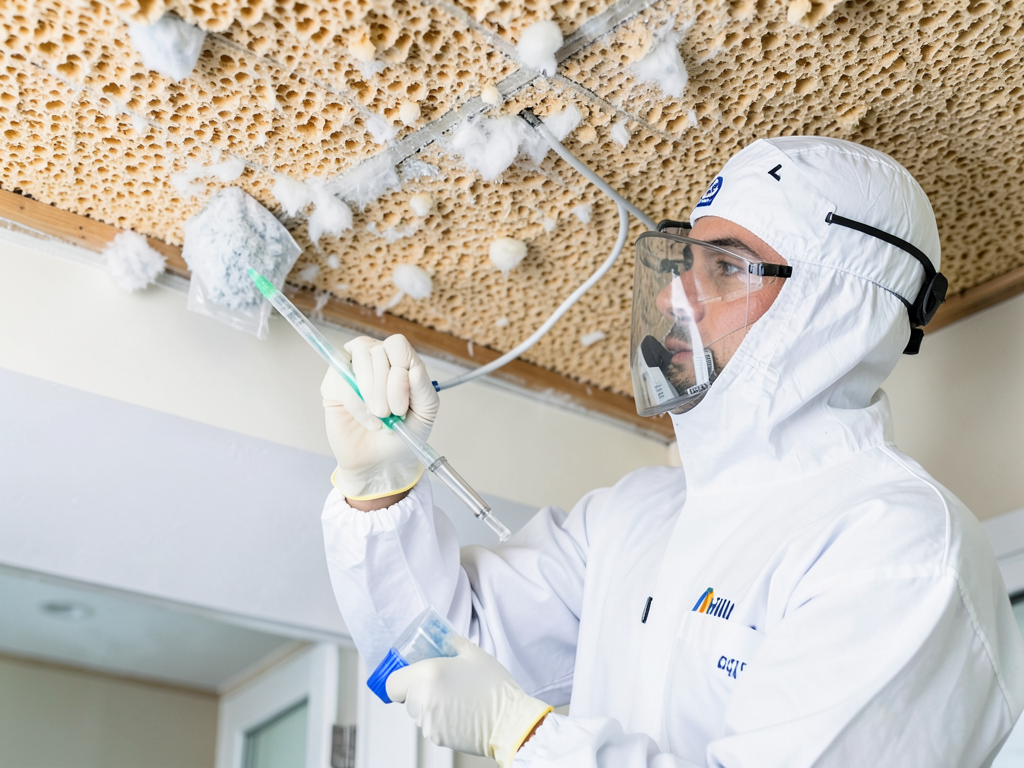
Acoustic ceiling spray, commonly called popcorn ceilings, contains chrysotile asbestos in many Golden Hill homes built before 1980. This material becomes friable when water damaged, releasing fibers with minimal disturbance. Testing determines asbestos content before any ceiling work begins.
Vinyl floor tiles manufactured before 1980 often contain asbestos in the backing material and adhesive. Water damage can cause tiles to lift or crack, exposing hazardous fibers. Mastic used to adhere tiles may contain up to 50% asbestos content.
Joint compound used for drywall finishing before 1980 contains asbestos fibers for strength and fire resistance. Water damage causes this material to deteriorate, releasing fibers when sanded or disturbed. Many Golden Hill homes feature plaster walls with asbestos-containing patching compounds.
The Testing Process for Emergency Restoration
Certified Asbestos Consultants (CACs) perform bulk sampling using sterile collection techniques. They extract small material samples from suspected asbestos-containing areas and seal them in approved containers. The sampling process takes 1-2 hours and provides results within 24-48 hours from San Diego laboratories.
Polarized Light Microscopy (PLM) testing analyzes samples for asbestos fiber content. This method identifies asbestos types and calculates fiber concentration. Some samples require Transmission Electron Microscopy (TEM) for more detailed analysis when PLM results are inconclusive.
Lead testing uses X-ray fluorescence (XRF) analyzers for rapid on-site screening. This technology detects lead in paint without damaging surfaces. Laboratory analysis confirms results and measures lead content in parts per million. Rapid response pipe burst repair in Pacific Beach.
Working With Certified Professionals
California DOSH requires Certified Site Surveillance Technicians (CSSTs) to monitor asbestos removal projects. These professionals ensure containment systems function properly and airborne fiber levels remain below regulatory limits. They conduct visual inspections and air monitoring throughout the project. Professional flood restoration services for Del Mar homeowners.
Restoration companies must employ or contract with CACs and CSSTs for projects involving lead or asbestos. These certifications prove the company understands proper handling procedures and maintains required documentation for regulatory compliance.
Insurance companies often require testing documentation before approving restoration claims. This protects them from liability for worker exposure and ensures the restoration follows all applicable laws and regulations.
Cost Factors for Testing in Golden Hill
Testing costs vary based on home size and material types. A typical three-bedroom Golden Hill home requires 8-12 bulk samples at $50-75 each. Lead testing adds $200-300 for XRF screening of painted surfaces. Laboratory fees average $25-40 per sample.
Emergency rush testing available within 24 hours costs 50-75% more than standard turnaround. This premium ensures restoration can begin quickly while maintaining legal compliance. Some restoration companies absorb testing costs to maintain project schedules.
Insurance typically covers testing costs when water damage necessitates material removal. However, coverage depends on policy terms and the specific cause of damage. Documented testing helps justify restoration expenses to insurance adjusters.
Timeline Integration for Restoration Projects
Testing adds 1-2 days to emergency restoration schedules but prevents much longer delays from regulatory violations. Smart restoration companies schedule testing immediately upon arrival while setting up initial containment and water extraction.
Results typically arrive within 24-48 hours. If asbestos or lead is present, the restoration plan adjusts to include proper containment and removal procedures. This may extend the project by 3-5 days but ensures worker and occupant safety.
Projects can continue with non-disturbance work while waiting for test results. This includes water extraction, drying of unaffected areas, and contents manipulation. However, no cutting, sanding, or demolition proceeds without clearance from testing results.
Insurance Claim Considerations
Most homeowners insurance policies cover testing costs when required for restoration work. The key is documenting the necessity and following proper procedures. Insurance adjusters look for testing documentation before approving demolition or material removal claims.
Some policies exclude coverage for pre-existing conditions like lead paint or asbestos. However, testing required due to sudden water damage typically qualifies for coverage. Restoration companies familiar with insurance processes can help navigate these requirements.
Document all testing procedures, results, and remediation plans. This documentation supports insurance claims and demonstrates regulatory compliance. Keep copies of all certifications, laboratory reports, and notification filings.
Choosing the Right Restoration Partner
Experienced restoration companies in Golden Hill understand local regulations and testing requirements. They maintain relationships with certified testing professionals and can coordinate the entire process efficiently. This expertise prevents costly mistakes and project delays.
Ask potential contractors about their experience with lead and asbestos testing in Golden Hill homes. Request documentation of their certifications and relationships with testing laboratories. A reputable company will provide this information willingly.
Check reviews specifically mentioning testing procedures and regulatory compliance. Golden Hill homeowners often share experiences with restoration companies that understand the unique challenges of working in historic neighborhoods.
Frequently Asked Questions
Do all Golden Hill homes need testing before restoration?
Homes built before 1980 require testing for lead and asbestos before any restoration work that disturbs building materials. This includes water damage repair, even in emergency situations.
How long does testing take during an emergency?
Sample collection takes 1-2 hours. Rush laboratory results arrive within 24 hours. This brief delay prevents much longer project interruptions from regulatory violations.
Who pays for lead and asbestos testing?
Testing costs typically fall to the property owner but are often covered by homeowners insurance when required for restoration work. Some restoration companies include testing in their service packages.
Can restoration begin before test results arrive?
Non-disturbance work like water extraction can proceed. However, no cutting, sanding, or demolition can begin without testing clearance. This protects workers and ensures legal compliance.
What happens if asbestos is found in my home?
Projects with asbestos require specialized containment, removal procedures, and disposal methods. A certified abatement contractor handles asbestos removal while the restoration company continues other restoration work.
Is testing required for small water damage repairs?
Testing is required whenever work disturbs building materials in pre-1980 construction. This includes cutting drywall, removing flooring, or disturbing ceiling materials during any size repair.
Protecting Your Golden Hill Home and Family
Golden Hill’s historic charm comes with unique restoration challenges. Understanding and following lead and asbestos testing requirements protects your family’s health and ensures your restoration project proceeds smoothly. The small investment in proper testing prevents costly mistakes and serious health risks.
Working with experienced restoration professionals who understand Golden Hill’s specific requirements makes the process manageable. They coordinate testing, handle regulatory compliance, and keep your project moving forward safely.
Don’t let water damage turn into a health crisis. Ensure your restoration contractor follows all testing requirements before beginning work. Your family’s safety and your home’s value depend on proper procedures.
Call (858) 203-2555 today to schedule your inspection. Our Golden Hill restoration experts understand the testing requirements and can coordinate the entire process efficiently. Don’t wait until it’s too late to protect your home and family from lead and asbestos hazards.
{
“@context”: “https://schema.org”,
“@type”: “BlogPosting”,
“headline”: “Essential Testing for Lead and Asbestos Before Restoring a Golden Hill Home”,
“description”: “Golden Hill’s historic homes require mandatory lead and asbestos testing before water damage restoration. Learn San Diego regulations, health risks, and compliance steps.”,
“wordCount”: 1657,
“datePublished”: “2026-04-09T07:52:00.000Z”,
“dateModified”: “2026-04-09T07:52:00.000Z”,
“inLanguage”: “en-US”,
“mainEntityOfPage”: {
“@type”: “WebPage”,
“@id”: “https://keystonewaterdamagerestorationsandiego.com”
},
“publisher”: {
“@type”: “LocalBusiness”,
“name”: “Keystone Water Damage Restoration San Diego”,
“url”: “https://keystonewaterdamagerestorationsandiego.com”
},
“author”: {
“@type”: “Organization”,
“name”: “Keystone Water Damage Restoration San Diego”,
“url”: “https://keystonewaterdamagerestorationsandiego.com”
},
“image”: {
“@type”: “ImageObject”,
“url”: “https://keystonewaterdamagerestorationsandiego.com/wp-content/uploads/2026/03/essential-testing-for-lead-and-asbestos-before-res-1.png”
}
}
{
“@context”: “https://schema.org”,
“@type”: “LocalBusiness”,
“name”: “Keystone Water Damage Restoration San Diego”,
“url”: “https://keystonewaterdamagerestorationsandiego.com”,
“address”: {
“@type”: “PostalAddress”,
“addressLocality”: “San Diego”
},
“areaServed”: {
“@type”: “City”,
“name”: “San Diego”
}
}
{
“@context”: “https://schema.org”,
“@type”: “FAQPage”,
“mainEntity”: [
{
“@type”: “Question”,
“name”: “Do all Golden Hill homes need testing before restoration?”,
“acceptedAnswer”: {
“@type”: “Answer”,
“text”: “Homes built before 1980 require testing for lead and asbestos before any restoration work that disturbs building materials. This includes water damage repair, even in emergency situations.”
}
},
{
“@type”: “Question”,
“name”: “How long does testing take during an emergency?”,
“acceptedAnswer”: {
“@type”: “Answer”,
“text”: “Sample collection takes 1-2 hours. Rush laboratory results arrive within 24 hours. This brief delay prevents much longer project interruptions from regulatory violations.”
}
},
{
“@type”: “Question”,
“name”: “Who pays for lead and asbestos testing?”,
“acceptedAnswer”: {
“@type”: “Answer”,
“text”: “Testing costs typically fall to the property owner but are often covered by homeowners insurance when required for restoration work. Some restoration companies include testing in their service packages.”
}
},
{
“@type”: “Question”,
“name”: “Can restoration begin before test results arrive?”,
“acceptedAnswer”: {
“@type”: “Answer”,
“text”: “Non-disturbance work like water extraction can proceed. However, no cutting, sanding, or demolition can begin without testing clearance. This protects workers and ensures legal compliance.”
}
},
{
“@type”: “Question”,
“name”: “What happens if asbestos is found in my home?”,
“acceptedAnswer”: {
“@type”: “Answer”,
“text”: “Projects with asbestos require specialized containment, removal procedures, and disposal methods. A certified abatement contractor handles asbestos removal while the restoration company continues other restoration work.”
}
},
{
“@type”: “Question”,
“name”: “Is testing required for small water damage repairs?”,
“acceptedAnswer”: {
“@type”: “Answer”,
“text”: “Testing is required whenever work disturbs building materials in pre-1980 construction. This includes cutting drywall, removing flooring, or disturbing ceiling materials during any size repair.”
}
}
]
}
{
“@context”: “https://schema.org”,
“@type”: “BreadcrumbList”,
“itemListElement”: [
{
“@type”: “ListItem”,
“position”: 1,
“name”: “Home”,
“item”: “https://keystonewaterdamagerestorationsandiego.com”
},
{
“@type”: “ListItem”,
“position”: 2,
“name”: “Blog”,
“item”: “https://keystonewaterdamagerestorationsandiego.com/blog”
},
{
“@type”: “ListItem”,
“position”: 3,
“name”: “Essential Testing for Lead and Asbestos Before Restoring a Golden Hill Home”
}
]
}
{
“@context”: “https://schema.org”,
“@type”: “Service”,
“serviceType”: “Water Damage Restoration”,
“provider”: {
“@type”: “LocalBusiness”,
“name”: “Keystone Water Damage Restoration San Diego”,
“url”: “https://keystonewaterdamagerestorationsandiego.com”
},
“areaServed”: {
“@type”: “City”,
“name”: “San Diego”
},
“description”: “Golden Hill’s historic homes require mandatory lead and asbestos testing before water damage restoration. Learn San Diego regulations, health risks, and compliance steps.”
}