
Is Your Tankless Water Heater Leaking in Mira Mesa
Finding water pooling around your tankless water heater creates instant panic. The immediate concern becomes stopping the leak before it destroys your flooring, drywall, or cabinetry. Mira Mesa homes face unique challenges with tankless units due to San Diego’s hard water conditions and coastal humidity levels that accelerate mineral buildup and corrosion. Professional water extraction services for Escondido residents.
This guide walks you through emergency shutdown procedures, common leak sources specific to tankless systems, and why a small drip often signals larger structural damage requiring professional restoration. You’ll learn to identify heat exchanger failures, condensate drain issues, and the critical steps to prevent mold growth in your Mira Mesa home. Professional flood restoration services for Del Mar homeowners.
Emergency Shutdown Steps for a Leaking Tankless Unit
Before investigating the source, you must stop water flow immediately. Locate your tankless water heater’s isolation valves – typically red for hot water and blue for cold water lines. Turn both valves clockwise until fully closed. If valves won’t budge due to mineral deposits, use channel-lock pliers with gentle pressure to avoid breaking the valve stems.. Read more about How San Diego Hard Water Slowly Destroys Your Oceanside Plumbing Pipes.
Next, shut off the gas supply if your unit uses natural gas. The gas valve sits on the incoming line near the bottom of the heater. Turn the valve perpendicular to the pipe to cut fuel flow. For electric models, switch off the dedicated circuit breaker in your electrical panel.
Finally, place buckets or towels around the base to contain active leaks. Move any nearby electronics, documents, or valuables to prevent additional damage. These steps buy you time while you assess whether professional help is needed.
Common Causes of Tankless Water Heater Leaks in Mira Mesa
San Diego’s hard water creates unique problems for tankless water heaters. The region’s water contains 16-20 grains per gallon of dissolved minerals – among the highest in California. These minerals precipitate out during heating cycles, forming scale deposits that insulate heat exchanger surfaces and cause localized overheating.
Heat exchanger failure represents the most expensive repair scenario. Scale buildup creates hot spots that crack the stainless steel or copper tubing. Once cracked, the exchanger allows pressurized hot water to escape internally, often dripping from the bottom of the unit where you can’t see the source without disassembly. EPA mold guidelines.
Condensate drain line clogs cause another common leak pattern. Tankless units produce acidic condensate during combustion that must drain through a dedicated line. In Mira Mesa’s coastal environment, these lines accumulate algae and mineral deposits faster than inland areas. A blocked drain causes water to back up and overflow from the condensate trap.
Connection point failures occur at threaded fittings where water lines meet the heater. The constant thermal expansion and contraction from heating cycles loosens these connections over time. Mira Mesa’s temperature fluctuations between morning marine layer and afternoon heat accelerate this process compared to more stable coastal areas.
Hidden Damage Beyond the Visible Leak
A small puddle often masks extensive structural damage. Water travels along the path of least resistance, seeping into wall cavities, under flooring, and into adjacent rooms before pooling where you see it. In Mira Mesa homes with drywall construction, water wicks upward several feet from the floor within hours.
Subfloor damage develops rapidly when leaks occur on upper floors. OSB and plywood absorb water like sponges, losing structural integrity within 24-48 hours. You might notice soft spots when walking nearby or doors that suddenly stick due to floor warping. By the time these symptoms appear, replacement becomes necessary rather than repair. Rapid response pipe burst repair in Pacific Beach.
Cabinetry near the water heater faces immediate threat. MDF and particleboard swell irreversibly when exposed to moisture. The swelling creates pressure that breaks adhesives and causes delamination. Even if you dry the surface, internal moisture remains trapped, creating perfect conditions for mold growth behind the visible surfaces.
Mold development follows a predictable timeline in San Diego’s coastal climate. Spores begin germinating within 24-48 hours of water exposure. By day three, visible colonies form on porous surfaces. The combination of warm indoor temperatures and occasional humidity creates ideal growing conditions even when you think the area feels dry.
Professional Restoration Process for Tankless Water Heater Damage
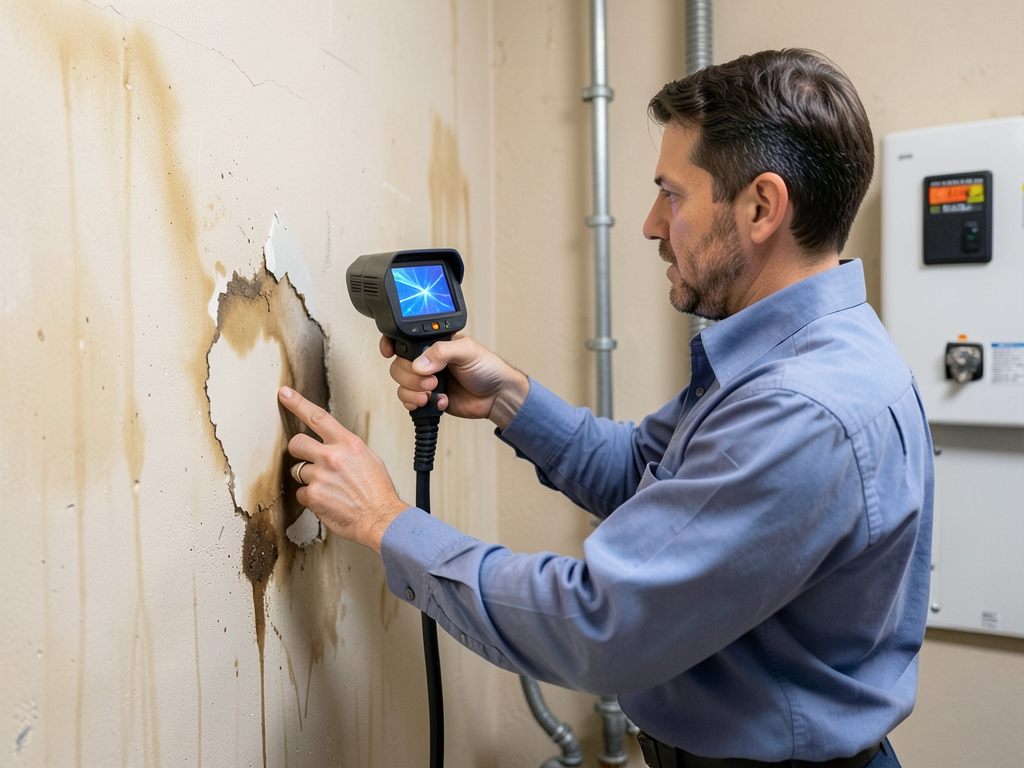
Professional restoration follows industry standards established by the IICRC S500 guidelines for water damage. The process begins with moisture mapping using infrared thermal imaging cameras that detect temperature differences indicating hidden moisture. These cameras reveal water trapped inside wall cavities and under flooring where visual inspection fails. IICRC S500 water damage standards.
Moisture meters provide quantitative data about material saturation levels. Technicians take readings at multiple depths – surface, core, and ambient air – to establish drying targets. For drywall, the goal becomes reducing moisture content below 16% to prevent mold growth. Wood materials require different thresholds based on species and structural requirements.
Structural drying employs commercial-grade dehumidifiers and air movers arranged according to psychometric principles. The equipment creates a vapor pressure differential that pulls moisture from materials into the air, where dehumidifiers capture and remove it. This process typically requires 3-5 days for complete drying, depending on the Class of water intrusion.
Class 2 water damage applies when water affects an entire room with carpet and cushions but hasn’t wicked more than 24 inches up walls. Your tankless leak scenario often falls into this category when water spreads across the utility closet floor and seeps under adjacent walls. Class 3 involves overhead water sources and requires more extensive demolition.
Antimicrobial treatment becomes necessary when water exposure exceeds 48 hours or contamination is suspected. EPA-registered disinfectants kill active mold colonies and prevent regrowth during the drying process. The treatment must contact all affected surfaces, including those hidden from view inside wall cavities and under flooring. Fixing hidden kitchen leak damage in North Park homes.
San Diego Hard Water Impact on Tankless Longevity
San Diego’s water quality directly affects tankless water heater lifespan. The Metropolitan Water District reports hardness levels between 214-357 parts per million in different service areas. Mira Mesa receives water from the Colorado River Aqueduct, which carries some of the highest mineral content in the system.
Heat exchanger scaling reduces efficiency by 20-30% within the first year without proper maintenance. The scale acts as insulation, forcing the burner to work harder and longer to achieve desired temperatures. This increased runtime accelerates wear on gas valves, flow sensors, and electronic controls beyond normal service life expectations.
Descaling frequency recommendations vary by usage patterns. A family of four using hot water for laundry, dishes, and showers daily needs professional descaling every 12-18 months. Light users might extend to 24 months, but waiting longer risks irreversible heat exchanger damage that requires complete unit replacement.. Read more about Using Smart Leak Detectors to Prevent the Next San Diego Home Flood.
Water softener installation reduces scaling but introduces new considerations. Softened water increases sodium content, which can affect taste and potentially accelerate corrosion in certain heat exchanger materials. Some manufacturers void warranties if water hardness exceeds specific thresholds without additional filtration systems.
Insurance Claims for Tankless Water Heater Damage in California
California insurance policies typically cover sudden and accidental water damage but exclude gradual leaks or maintenance-related failures. A tankless water heater that suddenly ruptures due to manufacturing defect or pressure surge qualifies for coverage. However, damage from years of scale buildup might be denied as a maintenance issue.
Documentation requirements include photographs of the initial damage, moisture meter readings showing affected areas, and professional estimates for restoration work. Insurance adjusters look for evidence that you took reasonable steps to mitigate damage after discovery. Failure to shut off water or contain the leak could reduce your claim settlement.
California’s Fair Claims Settlement Practices Act requires insurers to acknowledge claims within 15 days and complete investigations within 40 days. However, complex water damage involving structural repairs often takes longer due to the need for multiple expert assessments and detailed scope development.
Additional living expenses coverage applies if water damage forces you to relocate during restoration. This coverage includes hotel costs, restaurant meals, and other increased living expenses above your normal budget. Most policies limit this coverage to 20-30% of your dwelling coverage amount or a specific time period.
Cost Factors for Professional Water Damage Restoration
Restoration pricing depends on several variables specific to your Mira Mesa home. Square footage of affected area represents the primary cost driver – larger areas require more equipment, labor hours, and material disposal. A small utility closet might cost $1,500-2,500 to restore, while a whole-room flood could exceed $5,000. Basement Flood Cleanup.
Demolition requirements significantly impact final costs. Removing and replacing drywall, flooring, and cabinetry adds labor and material expenses. Class 2 damage requiring minimal demolition costs less than Class 3 scenarios involving ceiling removal and structural drying of wall cavities.
Equipment rental fees for commercial dehumidifiers and air movers typically run $100-200 per day. Most jobs require 3-5 days of equipment operation, making this a substantial portion of the restoration budget. Some companies include equipment costs in their flat-rate pricing, while others charge separately.
Content manipulation – moving furniture, protecting belongings, and reinstalling items after restoration – adds labor costs but prevents additional damage. Professional restoration companies provide detailed inventories and photographs of your belongings before moving them, protecting both parties from damage claims.
Preventing Future Tankless Water Heater Issues
Annual maintenance extends tankless water heater life and prevents catastrophic failures. Professional technicians perform pressure testing, inspect heat exchanger surfaces for scale buildup, and clean or replace inlet filters. They also verify proper venting and combustion air supply – critical safety checks often overlooked by homeowners.
Water quality testing helps determine appropriate maintenance schedules. Testing kits measure hardness, pH, and total dissolved solids. Based on results, technicians recommend specific descaling products and frequencies. Some Mira Mesa homes benefit from point-of-use filtration systems that reduce mineral content before it enters the heater.
Leak detection systems provide early warning for future problems. These systems use moisture sensors placed near the water heater base and connect to smartphone apps that alert you to water presence. Some advanced systems automatically shut off water supply when leaks are detected, preventing extensive damage.
Temperature settings affect scaling rates and component longevity. Setting your tankless unit to 120°F instead of 140°F reduces scale formation by approximately 30% while still providing adequate hot water for most household needs. The lower temperature also reduces scalding risks and energy consumption.
Frequently Asked Questions
How long does it take for mold to grow after a water heater leak?
Mold spores begin germinating within 24-48 hours of water exposure in San Diego’s coastal climate. Visible mold colonies typically appear within 72 hours on porous surfaces like drywall and wood. The combination of warm indoor temperatures and occasional humidity creates ideal growing conditions even when you think the area feels dry.
Will my homeowner’s insurance cover tankless water heater damage?
Coverage depends on the cause of failure. Sudden ruptures due to manufacturing defects or pressure surges typically qualify for coverage. However, damage from gradual scale buildup or lack of maintenance might be denied as a maintenance issue. Document everything and notify your insurer promptly after discovering the leak.
How much does professional water damage restoration cost in Mira Mesa?
Restoration costs vary based on damage extent, but small utility closet floods typically range from $1,500-2,500. Whole-room damage can exceed $5,000 when including demolition, drying equipment, and repairs. Most companies provide free inspections and detailed estimates before beginning work.
Can I fix a leaking tankless water heater myself?
Minor leaks from loose connections might be repairable with basic plumbing skills. However, heat exchanger failures, internal corrosion, or gas-related issues require professional service. Attempting complex repairs risks personal injury, gas leaks, or electrical hazards. When in doubt, shut off utilities and call a licensed technician.
How often should I have my tankless water heater serviced?
Annual professional maintenance is recommended for most San Diego homes. Homes with very hard water or heavy usage might need service every 6-12 months. Maintenance includes descaling, pressure testing, and safety inspections that prevent costly failures and extend unit lifespan by several years.
What’s the difference between a plumbing repair and water damage restoration?
Plumbing repair fixes the source of water – replacing valves, repairing pipes, or fixing the water heater. Water damage restoration addresses the secondary damage – drying structures, removing mold, and repairing flooring, drywall, and cabinetry affected by the leak. Both services are often needed but serve different purposes.
How long does the drying process take after a water heater leak?
Most residential water damage jobs require 3-5 days of active drying with commercial equipment. Factors affecting duration include the Class of water intrusion, material types affected, and ambient humidity levels. Your technician takes daily moisture readings to determine when materials have reached safe drying targets.
Should I replace my tankless water heater after a major leak?
Replacement decisions depend on the leak source and unit age. Minor connection leaks might not require replacement, but heat exchanger failures often signal the end of useful life for older units. Consider replacement if your unit is over 10 years old or repair costs exceed 50% of replacement value.
Take Action Before More Damage Occurs
Water from a leaking tankless unit spreads faster than most homeowners realize. What starts as a small puddle can destroy flooring, create mold colonies, and compromise your home’s structural integrity within days. The longer you wait, the more extensive and expensive the repairs become.
If you’re seeing water around your tankless water heater in Mira Mesa, don’t gamble with DIY fixes or hope it stops on its own. Professional assessment identifies hidden damage that could cost thousands if left untreated. Our certified technicians use industrial-grade equipment to detect moisture in wall cavities and under flooring where your eyes can’t see.
Call (858) 203-2555 today for emergency water damage assessment. We’ll stop the spread, prevent mold growth, and restore your home to pre-loss condition. Our team understands Mira Mesa’s unique water quality challenges and knows exactly how to address the specific problems tankless units face in San Diego’s hard water conditions.
Don’t let a small leak become a major renovation project. Pick up the phone and call (858) 203-2555 before the next high tide or temperature swing makes your problem worse. We’re ready to help 24/7 because we know water damage doesn’t wait for business hours.
{
“@context”: “https://schema.org”,
“@type”: “BlogPosting”,
“headline”: “Troubleshooting a Leaky Tankless Water Heater in Your Mira Mesa Home”,
“description”: “Is your tankless water heater leaking in Mira Mesa? Learn immediate shutdown steps, common causes, and how to prevent costly water damage to your San Diego home.”,
“wordCount”: 2390,
“datePublished”: “2026-06-13T15:18:00.000Z”,
“dateModified”: “2026-06-13T15:18:00.000Z”,
“inLanguage”: “en-US”,
“mainEntityOfPage”: {
“@type”: “WebPage”,
“@id”: “https://keystonewaterdamagerestorationsandiego.com”
},
“publisher”: {
“@type”: “LocalBusiness”,
“name”: “Keystone Water Damage Restoration San Diego”,
“url”: “https://keystonewaterdamagerestorationsandiego.com”
},
“author”: {
“@type”: “Organization”,
“name”: “Keystone Water Damage Restoration San Diego”,
“url”: “https://keystonewaterdamagerestorationsandiego.com”
},
“image”: {
“@type”: “ImageObject”,
“url”: “https://keystonewaterdamagerestorationsandiego.com/wp-content/uploads/2026/03/troubleshooting-a-leaky-tankless-water-heater-in-y-1.png”
}
}
{
“@context”: “https://schema.org”,
“@type”: “LocalBusiness”,
“name”: “Keystone Water Damage Restoration San Diego”,
“url”: “https://keystonewaterdamagerestorationsandiego.com”,
“address”: {
“@type”: “PostalAddress”,
“addressLocality”: “San Diego”
},
“areaServed”: {
“@type”: “City”,
“name”: “San Diego”
}
}
{
“@context”: “https://schema.org”,
“@type”: “FAQPage”,
“mainEntity”: [
{
“@type”: “Question”,
“name”: “How long does it take for mold to grow after a water heater leak?”,
“acceptedAnswer”: {
“@type”: “Answer”,
“text”: “Mold spores begin germinating within 24-48 hours of water exposure in San Diego’s coastal climate. Visible mold colonies typically appear within 72 hours on porous surfaces like drywall and wood. The combination of warm indoor temperatures and occasional humidity creates ideal growing conditions even when you think the area feels dry.”
}
},
{
“@type”: “Question”,
“name”: “Will my homeowner’s insurance cover tankless water heater damage?”,
“acceptedAnswer”: {
“@type”: “Answer”,
“text”: “Coverage depends on the cause of failure. Sudden ruptures due to manufacturing defects or pressure surges typically qualify for coverage. However, damage from gradual scale buildup or lack of maintenance might be denied as a maintenance issue. Document everything and notify your insurer promptly after discovering the leak.”
}
},
{
“@type”: “Question”,
“name”: “How much does professional water damage restoration cost in Mira Mesa?”,
“acceptedAnswer”: {
“@type”: “Answer”,
“text”: “Restoration costs vary based on damage extent, but small utility closet floods typically range from $1,500-2,500. Whole-room damage can exceed $5,000 when including demolition, drying equipment, and repairs. Most companies provide free inspections and detailed estimates before beginning work.”
}
},
{
“@type”: “Question”,
“name”: “Can I fix a leaking tankless water heater myself?”,
“acceptedAnswer”: {
“@type”: “Answer”,
“text”: “Minor leaks from loose connections might be repairable with basic plumbing skills. However, heat exchanger failures, internal corrosion, or gas-related issues require professional service. Attempting complex repairs risks personal injury, gas leaks, or electrical hazards. When in doubt, shut off utilities and call a licensed technician.”
}
},
{
“@type”: “Question”,
“name”: “How often should I have my tankless water heater serviced?”,
“acceptedAnswer”: {
“@type”: “Answer”,
“text”: “Annual professional maintenance is recommended for most San Diego homes. Homes with very hard water or heavy usage might need service every 6-12 months. Maintenance includes descaling, pressure testing, and safety inspections that prevent costly failures and extend unit lifespan by several years.”
}
},
{
“@type”: “Question”,
“name”: “What’s the difference between a plumbing repair and water damage restoration?”,
“acceptedAnswer”: {
“@type”: “Answer”,
“text”: “Plumbing repair fixes the source of water – replacing valves, repairing pipes, or fixing the water heater. Water damage restoration addresses the secondary damage – drying structures, removing mold, and repairing flooring, drywall, and cabinetry affected by the leak. Both services are often needed but serve different purposes.”
}
},
{
“@type”: “Question”,
“name”: “How long does the drying process take after a water heater leak?”,
“acceptedAnswer”: {
“@type”: “Answer”,
“text”: “Most residential water damage jobs require 3-5 days of active drying with commercial equipment. Factors affecting duration include the Class of water intrusion, material types affected, and ambient humidity levels. Your technician takes daily moisture readings to determine when materials have reached safe drying targets.”
}
},
{
“@type”: “Question”,
“name”: “Should I replace my tankless water heater after a major leak?”,
“acceptedAnswer”: {
“@type”: “Answer”,
“text”: “Replacement decisions depend on the leak source and unit age. Minor connection leaks might not require replacement, but heat exchanger failures often signal the end of useful life for older units. Consider replacement if your unit is over 10 years old or repair costs exceed 50% of replacement value.”
}
}
]
}
{
“@context”: “https://schema.org”,
“@type”: “BreadcrumbList”,
“itemListElement”: [
{
“@type”: “ListItem”,
“position”: 1,
“name”: “Home”,
“item”: “https://keystonewaterdamagerestorationsandiego.com”
},
{
“@type”: “ListItem”,
“position”: 2,
“name”: “Blog”,
“item”: “https://keystonewaterdamagerestorationsandiego.com/blog”
},
{
“@type”: “ListItem”,
“position”: 3,
“name”: “Troubleshooting a Leaky Tankless Water Heater in Your Mira Mesa Home”
}
]
}
{
“@context”: “https://schema.org”,
“@type”: “Service”,
“serviceType”: “Water Damage Restoration”,
“provider”: {
“@type”: “LocalBusiness”,
“name”: “Keystone Water Damage Restoration San Diego”,
“url”: “https://keystonewaterdamagerestorationsandiego.com”
},
“areaServed”: {
“@type”: “City”,
“name”: “San Diego”
},
“description”: “Is your tankless water heater leaking in Mira Mesa? Learn immediate shutdown steps, common causes, and how to prevent costly water damage to your San Diego home.”
}