
Modernizing the Plumbing in Your Clairemont Mid Century Home to Prevent Floods
Your Clairemont Mid Century Modern home represents the best of post-war California architecture with its clean lines and open floor plans. But those same homes built between 1945 and 1970 now face a critical turning point as original plumbing systems reach the end of their service life. The galvanized steel pipes that once seemed indestructible are now corroding from the inside out, creating the perfect conditions for catastrophic failures that can flood your entire home in minutes. Professional flood restoration services for Del Mar homeowners.
The average San Diego homeowner discovers their aging plumbing system only after water damage has already occurred. By then, you’re not just dealing with a simple leak repair but facing thousands in restoration costs, mold remediation, and potential structural repairs. Understanding the specific vulnerabilities of your MCM home’s plumbing system before disaster strikes can save you from the stress and expense of emergency water damage restoration. EPA mold remediation guidelines.
Understanding Your MCM Home’s Plumbing Vulnerabilities
Mid Century Modern homes in Clairemont and surrounding San Diego neighborhoods share common plumbing characteristics that create unique risk factors. The slab-on-grade construction that defines MCM architecture means most of your plumbing runs through concrete foundations, making leaks difficult to detect until significant damage occurs. Original installations typically used galvanized steel supply lines and cast iron drain pipes, materials that have a 50-70 year lifespan in San Diego’s alkaline water conditions. Professional water extraction services for Escondido residents.
The combination of hard water mineral buildup and San Diego’s expansive clay soils creates a perfect storm for plumbing failure. As water flows through aging galvanized pipes, calcium and magnesium deposits accumulate on the inner walls, reducing water pressure and creating ideal conditions for corrosion. Meanwhile, soil movement from seasonal moisture changes puts constant stress on buried pipes, leading to cracks and separations that allow water to escape beneath your foundation.. Read more about How San Diego Hard Water Slowly Destroys Your Oceanside Plumbing Pipes.
The Three Most Common Plumbing Materials That Fail in MCM Homes
Galvanized steel pipes were the standard choice for post-war construction because they were inexpensive and easy to install. However, these pipes corrode from the inside out, creating a deceptive situation where the exterior appears fine while the interior becomes completely blocked. You might notice rusty water when you first turn on a faucet or experience gradually decreasing water pressure throughout your home. Once corrosion reaches a critical point, pipes can burst without warning, releasing hundreds of gallons of water before you can shut off the main valve.. Read more about Why Calling a Plumber is Only the First Step for a Pipe Burst in Scripps Ranch.
Cast iron drain lines present a different set of problems. While these pipes can last 80-100 years under ideal conditions, San Diego’s soil composition and water chemistry accelerate deterioration. Cast iron develops scale buildup and eventually cracks, especially at the bell-and-spigot joints where sections connect. When these pipes fail, you’re dealing with sewage backups rather than clean water leaks, creating immediate health hazards and requiring specialized restoration services.
Orangeburg pipes represent perhaps the most problematic material used in MCM construction. This bituminous fiber pipe, popular from the 1950s through the 1970s, has a typical lifespan of only 30-50 years. These pipes collapse under pressure, deform from soil weight, and are completely unsuitable for modern plumbing demands. Many Clairemont homes still contain Orangeburg pipes that are now well past their expiration date, creating a ticking time bomb for homeowners.
San Diego-Specific Environmental Factors That Accelerate Pipe Failure
San Diego’s unique environmental conditions significantly impact plumbing longevity in ways that homeowners from other regions might not expect. Our water supply contains high levels of dissolved minerals, particularly calcium and magnesium, which create scale buildup inside pipes at rates faster than areas with softer water. This mineral accumulation reduces pipe diameter over time, increasing water velocity and creating turbulence that accelerates corrosion.
The region’s expansive clay soils present another major challenge. These soils expand when wet and contract when dry, creating constant movement around buried pipes. In Clairemont’s hilly terrain, this soil movement is amplified by slope instability and seasonal rainfall patterns. Pipes that were properly installed 60 years ago now experience forces they were never designed to withstand, leading to separations, cracks, and complete failures.
San Diego’s seismic activity, while not as dramatic as other parts of California, still contributes to plumbing system stress. The frequent minor earthquakes and ground settling create micro-fractures in pipes and joints over time. These small cracks often go unnoticed until they expand into major leaks, particularly in slab foundations where water has nowhere to go but up through your flooring.
Warning Signs Your MCM Home’s Plumbing Is Failing
Recognizing the early warning signs of plumbing failure can help you address problems before they escalate into major water damage events. Low water pressure throughout your home often indicates widespread corrosion in galvanized supply lines. This gradual decrease happens so slowly that many homeowners simply adapt to it, not realizing they’re living with a system on the verge of catastrophic failure.
Discolored water, particularly rusty or brown water when you first turn on a faucet, signals internal pipe corrosion. This discoloration occurs because rust particles are flaking off the pipe walls and mixing with your water supply. While the water might clear up after running for a few seconds, this temporary fix masks a serious underlying problem that will only worsen over time.
Unexplained increases in your water bill often indicate hidden leaks in your plumbing system. In slab homes, these leaks can occur beneath your foundation for months or even years before visible signs appear. By the time you notice water pooling or damp spots on your floor, significant damage has already occurred to your home’s structure and foundation. Fixing hidden kitchen leak damage in North Park homes.
Sewer odors inside your home suggest problems with your drain system. These smells can indicate cracked cast iron pipes, dried-out drain traps, or even collapsed sewer lines. In MCM homes with original plumbing, these issues often stem from the natural deterioration of 60-year-old materials that have reached the end of their useful life.
The Intersection of Plumbing Repair and Water Damage Restoration
When a pipe fails in your MCM home, the damage extends far beyond the immediate leak. Water spreads quickly through walls, under flooring, and into adjacent rooms, creating conditions that require professional restoration services. Understanding this connection helps you make informed decisions when disaster strikes and ensures you address all aspects of the damage, not just the visible leak.
Category 1 water from a clean water supply line might seem harmless initially, but within 24-48 hours it can degrade into Category 2 or 3 water as it contacts building materials and potentially picks up contaminants. This progression triggers different restoration protocols and increases the scope of work required to make your home safe again. Professional restoration technicians follow IICRC S500 standards to ensure proper drying, cleaning, and sanitization. IICRC S500 standards.
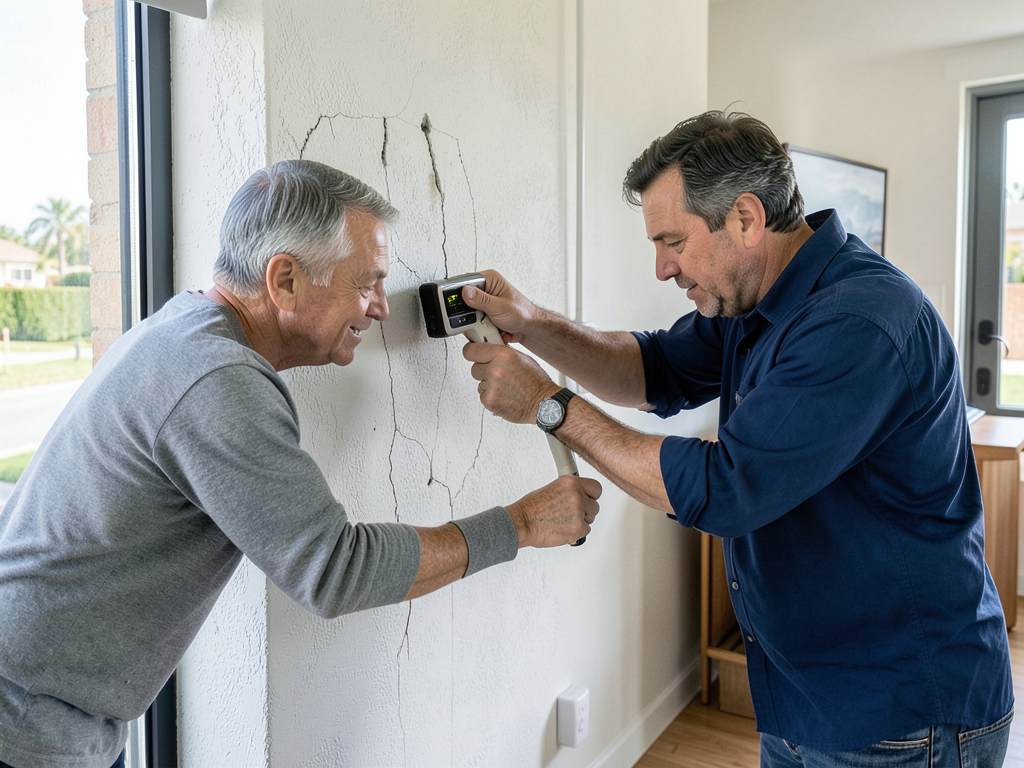
Structural drying requires specialized equipment and techniques that go far beyond simply mopping up visible water. Professional restoration teams use moisture meters to detect hidden water in wall cavities, under flooring, and within insulation. They employ industrial-grade dehumidifiers and air movers to create conditions that promote rapid evaporation while preventing secondary damage like warping, swelling, or mold growth. Rapid response pipe burst repair in Pacific Beach.
Mold prevention becomes critical within the first 24-48 hours after water exposure. San Diego’s coastal humidity creates ideal conditions for mold growth, particularly in the warm interior spaces of MCM homes. Professional restoration includes antimicrobial treatments and monitoring to ensure your home returns to a safe, healthy condition without the long-term problems that can arise from incomplete drying.
Proactive Steps to Modernize Your MCM Plumbing System
Taking a proactive approach to your home’s plumbing system can prevent the stress and expense of emergency restoration services. A comprehensive plumbing inspection by a restoration specialist familiar with MCM homes can identify potential failure points before they cause damage. This inspection should include video camera inspection of drain lines, pressure testing of supply lines, and assessment of visible pipe conditions.
Hydro-jetting offers an effective way to clean existing pipes without the cost of complete replacement. This process uses high-pressure water to remove scale buildup, mineral deposits, and debris from the inside of pipes. While it won’t fix corroded pipes, it can extend their useful life and improve water flow while you plan for eventual replacement.
Leak detection systems provide early warning of developing problems. Modern smart water monitors can detect abnormal water usage patterns and automatically shut off your main water supply when leaks are detected. These systems are particularly valuable for slab homes where leaks are difficult to detect visually until significant damage has occurred.
Partial repiping allows you to address the most critical areas first while spreading the cost over time. Many homeowners start with the main supply line from the street to the house, then tackle individual branches as budget allows. This phased approach prevents catastrophic failures while making the project more financially manageable.
Restoration vs. Plumbing: Understanding the Complete Solution
Many homeowners make the mistake of thinking a plumber can handle all aspects of a water emergency. While plumbers excel at fixing the source of leaks, they typically don’t have the equipment, training, or insurance to handle the comprehensive restoration work required after significant water damage. Understanding this distinction helps you respond appropriately when disaster strikes.
Professional water damage restoration companies follow established protocols for different categories of water damage. Clean water from a supply line requires different handling than contaminated water from a sewage backup or floodwater from outside. The restoration process includes water extraction, structural drying, content manipulation, cleaning and sanitizing, and monitoring to ensure complete moisture removal. Basement Flood Cleanup.
Insurance considerations also factor into the restoration vs. plumbing decision. Most homeowner’s insurance policies cover sudden and accidental water damage but may not cover the cost of repairing the failed plumbing component itself. Restoration companies often have experience working directly with insurance adjusters to ensure you receive appropriate coverage for covered damages.
The timeline for proper restoration cannot be rushed. While a plumber might fix a broken pipe in a few hours, the drying process typically takes 3-5 days minimum, depending on the extent of damage and building materials involved. Attempting to accelerate this process or skipping steps can lead to long-term problems like mold growth, structural weakening, or persistent odors.
Cost Considerations for MCM Plumbing Modernization
Understanding the potential costs involved in plumbing modernization helps you budget appropriately and make informed decisions about when to invest in preventive work versus emergency repairs. While specific pricing varies based on your home’s unique characteristics, having realistic expectations helps you avoid the sticker shock that often accompanies plumbing emergencies.
Complete repiping for a typical Clairemont MCM home ranges from $4,000 to $15,000 depending on home size, number of bathrooms, and accessibility of existing plumbing. This investment pales in comparison to the potential costs of emergency restoration, which can easily exceed $20,000 for a major flood event involving multiple rooms and structural elements.
Insurance deductibles typically range from $1,000 to $2,500, meaning even a minor water damage event will cost you at least that much out of pocket. When you factor in the inconvenience of temporary relocation, loss of personal belongings, and the stress of dealing with contractors during an emergency, the true cost of waiting for failure becomes much higher than the preventive investment.
Many restoration companies offer free inspections and can provide detailed assessments of your plumbing system’s condition. These evaluations often reveal problems you weren’t aware of and can help you prioritize repairs based on urgency and budget constraints. Some companies also offer financing options that make preventive work more accessible for homeowners on fixed incomes.
Local Resources and Support for MCM Homeowners
San Diego’s Mid Century Modern community has grown significantly in recent years, creating resources and support networks for homeowners dealing with the unique challenges of vintage construction. Local preservation groups can provide recommendations for contractors experienced with MCM-specific issues, while neighborhood associations often share information about common problems and successful solutions.
The City of San Diego offers various programs and resources for homeowners undertaking significant renovations or repairs. While permit requirements vary by project scope, working with a restoration company familiar with local regulations can streamline the process and ensure your work meets current building codes. This is particularly important when upgrading plumbing systems, as modern codes often require upgrades to meet current safety standards.
Several local contractors specialize in MCM home restoration and understand the delicate balance between preserving original character and upgrading critical systems. These specialists can often provide creative solutions that maintain your home’s architectural integrity while addressing modern performance requirements. Their experience with similar homes in Clairemont and surrounding neighborhoods means they understand the specific challenges you’re facing.
Community education events and workshops focused on vintage home maintenance are becoming more common in San Diego. These events provide valuable information about preventive maintenance, early warning signs of problems, and resources for finding qualified contractors. Staying connected with these communities can help you avoid costly mistakes and learn from others’ experiences.
Taking Action Before Disaster Strikes
The decision to modernize your MCM home’s plumbing system ultimately comes down to timing and risk tolerance. While it’s possible to continue operating with original plumbing systems, the likelihood of failure increases significantly as pipes age beyond their expected service life. The question isn’t whether your plumbing will fail, but when and how extensively.
Consider your personal circumstances when making this decision. If you plan to stay in your home for many years, investing in plumbing modernization makes financial sense when compared to the potential costs of emergency repairs and restoration. If you’re planning to sell soon, addressing known plumbing issues can prevent them from becoming negotiating points that reduce your home’s value or derail a sale.
The peace of mind that comes from knowing your home’s critical systems are reliable cannot be overstated. Many homeowners report sleeping better and enjoying their homes more after addressing known plumbing vulnerabilities. This improved quality of life, combined with the financial protection of preventing major damage, often justifies the investment in preventive modernization.
Don’t wait for water to flood your beautiful MCM home before taking action. The cost of preventive plumbing modernization is almost always less than the expense of emergency restoration services following a major failure. Contact a qualified restoration specialist today to assess your home’s specific risks and develop a plan to protect your investment for years to come.
Frequently Asked Questions
How do I know if my Clairemont MCM home has original plumbing?
Homes built between 1945 and 1970 likely have original galvanized steel supply lines and cast iron drain pipes. You can check exposed pipes in basements, utility rooms, or under sinks for galvanized steel’s characteristic silver-gray color with threaded connections. A professional inspection can confirm your home’s plumbing materials and condition.
What’s the difference between a plumber and a water damage restoration company?
Plumbers fix the source of water problems but typically don’t handle the comprehensive drying and restoration work required after significant water damage. Restoration companies follow IICRC standards for water extraction, structural drying, mold prevention, and returning your home to pre-loss condition. They also work directly with insurance companies.
How long does the restoration process take after a major plumbing failure?
Professional restoration typically takes 3-7 days minimum, depending on damage extent and building materials. This includes water extraction, structural drying with industrial equipment, cleaning and sanitizing, and monitoring to ensure complete moisture removal. Rushing this process can lead to long-term problems like mold growth.
Is repiping covered by homeowner’s insurance?
Most policies cover sudden and accidental water damage but not the cost of repairing or replacing failed plumbing components themselves. However, if a pipe bursts and causes damage to your home’s structure, flooring, or personal belongings, those restoration costs are typically covered minus your deductible.
Can I modernize my plumbing gradually instead of all at once?
Yes, many homeowners choose phased repiping, starting with the most critical areas like the main supply line or highest-risk branches. This approach spreads costs over time while preventing catastrophic failures. A professional assessment can help you prioritize based on your home’s specific conditions and your budget.
Ready to Protect Your MCM Home?
Don’t let aging plumbing destroy your beautiful Clairemont Mid Century Modern home. The signs of plumbing failure are often subtle until disaster strikes, leaving you with thousands in restoration costs and weeks of disruption to your life.
Professional water damage restoration specialists understand the unique challenges of MCM homes in San Diego. They can assess your plumbing system’s condition, identify potential failure points, and help you develop a modernization plan that protects your home while preserving its architectural character.
Call (858) 203-2555 today to schedule your comprehensive plumbing inspection. Our experienced team will evaluate your home’s specific risks and provide clear recommendations for preventing catastrophic water damage. Don’t wait for the next pipe to burst – take action now to protect your investment and your peace of mind.
Pick up the phone and call (858) 203-2555 before the next storm hits or the next pipe fails. Your beautiful MCM home deserves protection from the hidden dangers lurking in its aging plumbing system.
{
“@context”: “https://schema.org”,
“@type”: “BlogPosting”,
“headline”: “Modernizing the Plumbing in Your Clairemont Mid Century Home to Prevent Floods”,
“description”: “Protect your Clairemont MCM home from catastrophic plumbing failures. Learn about galvanized steel corrosion, slab leaks, and water damage restoration services in San Diego.”,
“wordCount”: 2878,
“datePublished”: “2026-05-28T09:30:00.000Z”,
“dateModified”: “2026-05-28T09:30:00.000Z”,
“inLanguage”: “en-US”,
“mainEntityOfPage”: {
“@type”: “WebPage”,
“@id”: “https://keystonewaterdamagerestorationsandiego.com”
},
“publisher”: {
“@type”: “LocalBusiness”,
“name”: “Keystone Water Damage Restoration San Diego”,
“url”: “https://keystonewaterdamagerestorationsandiego.com”
},
“author”: {
“@type”: “Organization”,
“name”: “Keystone Water Damage Restoration San Diego”,
“url”: “https://keystonewaterdamagerestorationsandiego.com”
},
“image”: {
“@type”: “ImageObject”,
“url”: “https://keystonewaterdamagerestorationsandiego.com/wp-content/uploads/2026/03/modernizing-the-plumbing-in-your-clairemont-mid-ce-1.png”
}
}
{
“@context”: “https://schema.org”,
“@type”: “LocalBusiness”,
“name”: “Keystone Water Damage Restoration San Diego”,
“url”: “https://keystonewaterdamagerestorationsandiego.com”,
“address”: {
“@type”: “PostalAddress”,
“addressLocality”: “San Diego”
},
“areaServed”: {
“@type”: “City”,
“name”: “San Diego”
}
}
{
“@context”: “https://schema.org”,
“@type”: “FAQPage”,
“mainEntity”: [
{
“@type”: “Question”,
“name”: “How do I know if my Clairemont MCM home has original plumbing?”,
“acceptedAnswer”: {
“@type”: “Answer”,
“text”: “Homes built between 1945 and 1970 likely have original galvanized steel supply lines and cast iron drain pipes. You can check exposed pipes in basements, utility rooms, or under sinks for galvanized steel’s characteristic silver-gray color with threaded connections. A professional inspection can confirm your home’s plumbing materials and condition.”
}
},
{
“@type”: “Question”,
“name”: “What’s the difference between a plumber and a water damage restoration company?”,
“acceptedAnswer”: {
“@type”: “Answer”,
“text”: “Plumbers fix the source of water problems but typically don’t handle the comprehensive drying and restoration work required after significant water damage. Restoration companies follow IICRC standards for water extraction, structural drying, mold prevention, and returning your home to pre-loss condition. They also work directly with insurance companies.”
}
},
{
“@type”: “Question”,
“name”: “How long does the restoration process take after a major plumbing failure?”,
“acceptedAnswer”: {
“@type”: “Answer”,
“text”: “Professional restoration typically takes 3-7 days minimum, depending on damage extent and building materials. This includes water extraction, structural drying with industrial equipment, cleaning and sanitizing, and monitoring to ensure complete moisture removal. Rushing this process can lead to long-term problems like mold growth.”
}
},
{
“@type”: “Question”,
“name”: “Is repiping covered by homeowner’s insurance?”,
“acceptedAnswer”: {
“@type”: “Answer”,
“text”: “Most policies cover sudden and accidental water damage but not the cost of repairing or replacing failed plumbing components themselves. However, if a pipe bursts and causes damage to your home’s structure, flooring, or personal belongings, those restoration costs are typically covered minus your deductible.”
}
},
{
“@type”: “Question”,
“name”: “Can I modernize my plumbing gradually instead of all at once?”,
“acceptedAnswer”: {
“@type”: “Answer”,
“text”: “Yes, many homeowners choose phased repiping, starting with the most critical areas like the main supply line or highest-risk branches. This approach spreads costs over time while preventing catastrophic failures. A professional assessment can help you prioritize based on your home’s specific conditions and your budget.”
}
},
{
“@type”: “Question”,
“name”: “Ready to Protect Your MCM Home?”,
“acceptedAnswer”: {
“@type”: “Answer”,
“text”: “Don’t let aging plumbing destroy your beautiful Clairemont Mid Century Modern home. The signs of plumbing failure are often subtle until disaster strikes, leaving you with thousands in restoration costs and weeks of disruption to your life.”
}
}
]
}
{
“@context”: “https://schema.org”,
“@type”: “BreadcrumbList”,
“itemListElement”: [
{
“@type”: “ListItem”,
“position”: 1,
“name”: “Home”,
“item”: “https://keystonewaterdamagerestorationsandiego.com”
},
{
“@type”: “ListItem”,
“position”: 2,
“name”: “Blog”,
“item”: “https://keystonewaterdamagerestorationsandiego.com/blog”
},
{
“@type”: “ListItem”,
“position”: 3,
“name”: “Modernizing the Plumbing in Your Clairemont Mid Century Home to Prevent Floods”
}
]
}
{
“@context”: “https://schema.org”,
“@type”: “Service”,
“serviceType”: “Water Damage Restoration”,
“provider”: {
“@type”: “LocalBusiness”,
“name”: “Keystone Water Damage Restoration San Diego”,
“url”: “https://keystonewaterdamagerestorationsandiego.com”
},
“areaServed”: {
“@type”: “City”,
“name”: “San Diego”
},
“description”: “Protect your Clairemont MCM home from catastrophic plumbing failures. Learn about galvanized steel corrosion, slab leaks, and water damage restoration services in San Diego.”
}