
A Seasonal Guide to Preventing San Diego Rain Damage Before the Winter Starts
San Diego’s dry summers and sudden winter downpours create a perfect storm for property damage. When months of drought end with atmospheric river events, your home faces unique risks from flash flooding, roof leaks, and foundation issues. This guide walks you through essential preparation steps to protect your property before the first raindrops fall. San Diego County Emergency Services.
The key to preventing winter rain damage starts with understanding San Diego’s specific vulnerabilities. Our clay soils expand when wet, creating pressure against foundations. Older homes in neighborhoods like El Cajon and Chula Vista often have aging drainage systems that can’t handle sudden heavy rainfall. Taking action now can save thousands in potential restoration costs.
Essential Exterior Maintenance for Rain Protection
Before winter storms arrive, your home’s exterior needs a thorough inspection and maintenance routine. Start with the areas most vulnerable to water intrusion and work systematically around your property. Professional water extraction services for Escondido residents.
Roof and Gutter System Inspection
Your roof is your first line of defense against rain damage. In San Diego’s climate, UV exposure and thermal cycling cause roofing materials to deteriorate faster than in more temperate regions. Check for cracked or missing shingles, damaged flashing around chimneys and vents, and signs of dry rot in wooden components.
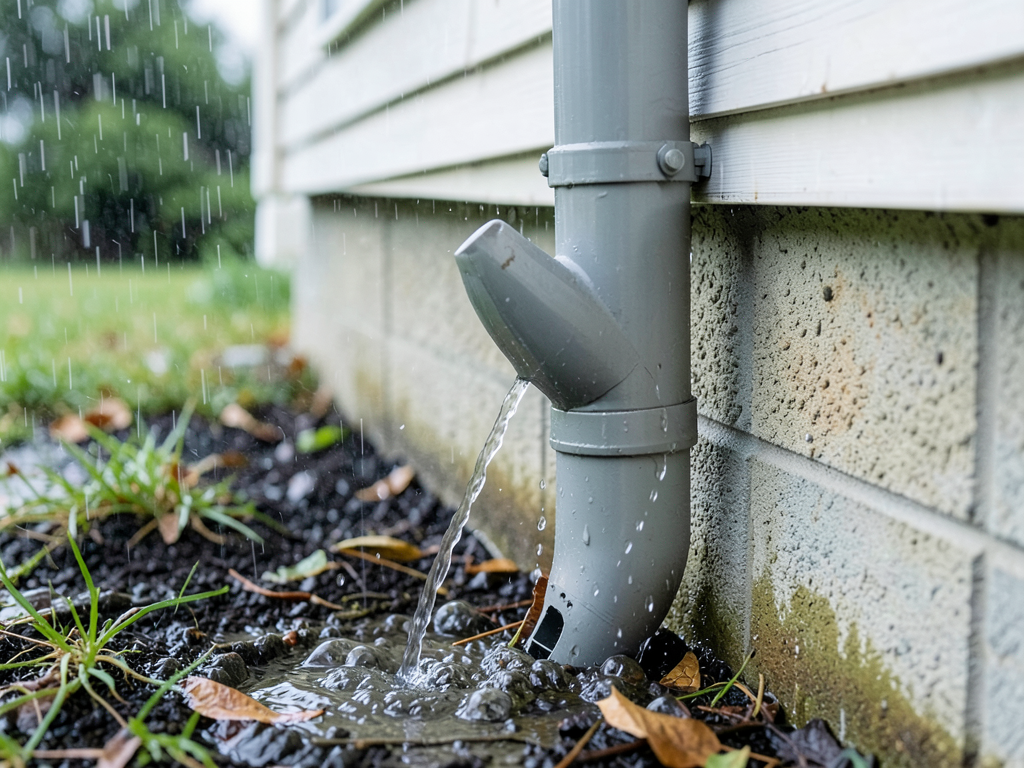
Gutters require special attention in our area. Pine needles, eucalyptus leaves, and other debris accumulate quickly, creating blockages that cause water to overflow and pool near your foundation. Clean gutters thoroughly and ensure downspouts extend at least five feet from your home’s foundation to prevent hydrostatic pressure against basement walls. Basement Flood Cleanup.
California Building Code Section 1504.4 requires proper roof drainage systems to prevent water accumulation. Many San Diego homes, particularly those built before 2000, don’t meet current standards for downspout extensions and drainage capacity.. Read more about What to Do When You Find a Water Leak After Returning From a Long Vacation.
Foundation and Drainage Assessment
San Diego’s expansive clay soils pose unique challenges for foundation protection. When dry soil becomes saturated, it expands by up to 10%, creating pressure that can crack foundations and cause basement flooding. Check your property’s grading to ensure water flows away from your home at a slope of at least 6 inches over the first 10 feet. Professional flood restoration services for Del Mar homeowners.
Area drains and French drains require inspection before rainy season. These systems often become clogged with roots, sediment, and debris over summer months. Test each drain by running water through it and watching for proper flow. If water backs up or drains slowly, professional cleaning may be necessary.
For homes in canyon-adjacent areas like Spring Valley or La Mesa, erosion control becomes critical. Heavy rains can wash away soil supporting your foundation or create new drainage paths that direct water toward your home. Consider installing erosion control measures like jute netting or wood chips on sloped areas.
Window and Door Seal Integrity
Water intrusion through windows and doors causes significant damage in San Diego homes. Our temperature swings cause caulk and weatherstripping to expand and contract, creating gaps that allow water penetration. Inspect all exterior seals and replace any that show signs of cracking, shrinking, or separation. EPA Mold Guidelines.
Pay special attention to older aluminum frame windows common in mid-century homes throughout National City and Lemon Grove. These frames often develop corrosion at the corners, creating channels for water entry during heavy rains.
Landscape and Property Grading Solutions
Your property’s landscaping plays a crucial role in rain damage prevention. Proper grading and drainage systems can redirect thousands of gallons of water away from your home’s foundation during major storms.
Grading and Slope Management
Evaluate your property’s overall grade using a simple level or laser level. Water should flow away from your home in all directions. If you notice areas where water pools or flows toward your foundation, regrading may be necessary. This is particularly important for homes on hillsides in areas like Rancho San Diego or Winter Gardens.
For properties with significant slope, consider installing retaining walls or terracing to control water flow. These structures prevent erosion while directing water to appropriate drainage points. Always check local permitting requirements, as San Diego County requires permits for retaining walls over three feet in height.
Plant Selection and Placement
Strategic landscaping can help manage water runoff. Native plants with deep root systems, like California sagebrush or deer grass, help stabilize soil and absorb excess moisture. However, avoid planting water-intensive species too close to your foundation, as their root systems can create pathways for water intrusion.
Consider installing rain gardens in areas where water naturally collects. These shallow depressions planted with water-tolerant vegetation can absorb significant amounts of runoff while filtering pollutants before they reach storm drains.
Hardscape Drainage Integration
Patios, walkways, and driveways require proper drainage integration to prevent water from flowing toward your home. Check that these surfaces slope away from your foundation and that any drainage channels or grates are clear of debris. For concrete surfaces, ensure expansion joints are properly sealed to prevent water infiltration beneath the slab.
In areas like Santee and Lakeside where properties often feature extensive hardscaping, improper drainage can create concentrated water flows that overwhelm standard drainage systems during heavy rains.
Emergency Preparedness and Response Planning
Even with the best prevention measures, severe storms can overwhelm your home’s defenses. Having an emergency plan and the right supplies on hand can minimize damage when prevention fails.
Sandbag Station Locations and Usage
San Diego County provides free sandbags at multiple locations throughout the region. The County Office of Emergency Services maintains current lists of distribution sites, typically including locations in Chula Vista, El Cajon, and other high-risk areas. Keep a supply of sandbags on hand, especially if you live in flood-prone zones like Mission Valley or near the San Diego River.
Proper sandbag placement is crucial for effectiveness. Create a barrier at least two sandbags high and three bags deep, with each layer staggered like brickwork. Place plastic sheeting behind the sandbag wall to prevent water from seeping through.
Emergency Water Shut-Off Procedures
Know the location of your main water shut-off valve and how to operate it. During heavy rains, plumbing systems can back up or pipes can burst, causing additional water damage. The shut-off valve is typically located where the main water line enters your home, often in a basement, crawl space, or near the water heater.
Practice shutting off the valve before an emergency occurs. If you have a gate valve, turn it clockwise until fully closed. For ball valves, turn the handle 90 degrees until it’s perpendicular to the pipe.
Emergency Contact Information
Create a waterproof emergency contact list that includes your insurance company’s claims department, local restoration services, and utility companies. Post this list near your phone and save it in your mobile device. For San Diego residents, keep SDG&E’s emergency number handy for power outage reports and gas leak concerns.
Consider joining your neighborhood’s emergency response network through platforms like NextDoor or local community groups. These networks can provide real-time information about flooding, road closures, and available resources during major storms. Rapid response pipe burst repair in Pacific Beach.
Professional Assessment and When to Call Experts
While many rain preparation tasks are DIY-friendly, some situations require professional assessment. Understanding when to call in experts can prevent minor issues from becoming major problems.
Hidden Water Damage Detection
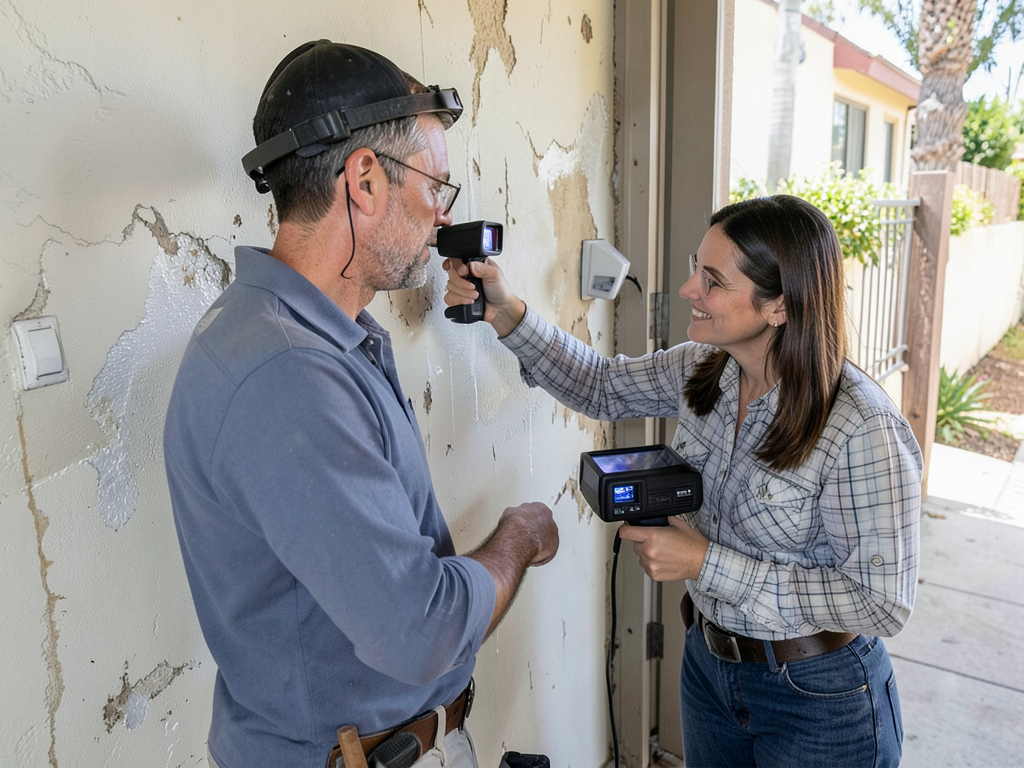
Water damage often occurs in hidden areas that homeowners cannot easily inspect. Professional moisture mapping using thermal imaging and moisture meters can detect water in wall cavities, under flooring, and in other concealed spaces. This technology is particularly valuable for detecting slow leaks that may have been occurring for months before becoming visible. Fixing hidden kitchen leak damage in North Park homes.
Signs that warrant professional assessment include musty odors, unexplained increases in humidity, or visible mold growth. These indicators suggest water damage that may extend beyond what’s visible to the naked eye.
Structural Integrity Evaluation
Cracks in foundation walls, uneven floors, or doors that stick may indicate structural issues exacerbated by water damage. Professional structural engineers can assess whether these problems require immediate attention or can be addressed during routine maintenance.
For homes in areas with known soil instability, like parts of East County with expansive clay soils, periodic professional evaluations can identify developing problems before they cause catastrophic failure.
Mold Prevention and Remediation
San Diego’s coastal humidity creates ideal conditions for mold growth when water intrusion occurs. The California Department of Public Health provides guidelines for mold assessment and remediation that emphasize the importance of addressing moisture sources before attempting cleanup.
Professional mold remediation becomes necessary when affected areas exceed 10 square feet or when mold growth occurs in HVAC systems. Attempting DIY remediation in these situations can spread spores throughout your home and create health hazards.
Comparing DIY vs Professional Rain Preparation Services
| Task | DIY Approach | Professional Service | Best For |
|---|---|---|---|
| Gutter Cleaning | Basic tools, ladder safety required | Complete system inspection, minor repairs | Homeowners comfortable with heights |
| Drainage Assessment | Visual inspection, basic testing | Camera inspection, hydro-jetting, repairs | Properties with recurring drainage issues |
| Roof Inspection | Ground-level visual check | Detailed inspection, minor repairs, documentation | Homes over 10 years old or with previous leaks |
| Foundation Assessment | Visual crack inspection | Level surveys, moisture testing, structural evaluation | Homes with visible foundation issues |
Creating Your Rain Readiness Checklist
Success in preventing rain damage comes down to thorough preparation. Create a checklist tailored to your property’s specific needs and complete each task before the rainy season begins.
- Exterior Inspection
Walk around your property and document any visible issues like cracked stucco, damaged roofing, or drainage problems. Take photos for reference and insurance purposes.
- System Testing
Test all drainage systems, sump pumps, and backup systems. Verify that gutters flow properly and that downspouts direct water away from your foundation.
- Emergency Supply Preparation
Assemble sandbags, plastic sheeting, tarps, and basic tools in an accessible location. Include flashlights, batteries, and a battery-powered radio for storm updates.
- Professional Service Scheduling
Book any necessary professional services early, as demand increases dramatically once the first storm is forecast. Many companies offer pre-season inspection packages at discounted rates.
Frequently Asked Questions
How often should I clean my gutters in San Diego?
Clean your gutters at least twice yearly in San Diego – once in late fall after leaves drop and again in early spring. Properties near pine or eucalyptus trees may require quarterly cleaning due to rapid debris accumulation.. Read more about Why Your Escondido Roof is Leaking After a New Solar Panel Installation.
What are signs my home has hidden water damage?
Musty odors, peeling paint or wallpaper, warped flooring, and unexplained increases in humidity are common indicators. You might also notice cold spots on walls or ceilings, which can indicate moisture presence.
How can I tell if my drainage system is adequate?
During a heavy rain, observe how water flows around your property. Puddling near your foundation, water backing up in drains, or erosion channels forming are signs your drainage system needs improvement.
Should I get flood insurance even if I’m not in a flood zone?
Consider flood insurance if your home is in a canyon, near a creek, or has a history of drainage issues. Standard homeowner’s insurance doesn’t cover flood damage, and San Diego’s topography creates flood risks even outside designated flood zones.
When is the best time to start rain preparation?
Begin preparation in early fall, ideally by mid-October. This gives you time to complete all tasks before the first atmospheric river events typically arrive in November. Professional services book quickly once storm season begins.
Take Action Before the Next Storm Hits
Protecting your San Diego home from winter rain damage requires proactive preparation, but you don’t have to do it alone. Many homeowners discover they need professional help after attempting DIY solutions or when damage becomes visible only after it’s too late.
Don’t wait until water is pouring through your ceiling to take action. A professional inspection can identify vulnerabilities you might miss and provide peace of mind before storm season arrives. Our team specializes in San Diego’s unique climate challenges and can help you create a comprehensive protection strategy.
Call (858) 203-2555 today to schedule your pre-season rain damage assessment. We’ll inspect your property, identify potential problem areas, and provide specific recommendations to keep your home dry this winter. Our 24/7 emergency response team is also available if you discover issues during your own inspection.
Pick up the phone and call (858) 203-2555 before the next storm hits. Your home deserves professional protection from San Diego’s seasonal rain threats.
You may also find this helpful. Saving Your High End Home Theater Equipment from Water Damage in Poway.
{
“@context”: “https://schema.org”,
“@type”: “BlogPosting”,
“headline”: “A Seasonal Guide to Preventing San Diego Rain Damage Before the Winter Starts”,
“description”: “Protect your San Diego home from winter rain damage with this essential guide. Learn gutter maintenance, drainage solutions, and when to call restoration experts before storms hit.”,
“wordCount”: 2081,
“datePublished”: “2026-06-03T06:40:00.000Z”,
“dateModified”: “2026-06-03T06:40:00.000Z”,
“inLanguage”: “en-US”,
“mainEntityOfPage”: {
“@type”: “WebPage”,
“@id”: “https://keystonewaterdamagerestorationsandiego.com”
},
“publisher”: {
“@type”: “LocalBusiness”,
“name”: “Keystone Water Damage Restoration San Diego”,
“url”: “https://keystonewaterdamagerestorationsandiego.com”
},
“author”: {
“@type”: “Organization”,
“name”: “Keystone Water Damage Restoration San Diego”,
“url”: “https://keystonewaterdamagerestorationsandiego.com”
},
“image”: {
“@type”: “ImageObject”,
“url”: “https://keystonewaterdamagerestorationsandiego.com/wp-content/uploads/2026/03/a-seasonal-guide-to-preventing-san-diego-rain-dama-1.png”
}
}
{
“@context”: “https://schema.org”,
“@type”: “LocalBusiness”,
“name”: “Keystone Water Damage Restoration San Diego”,
“url”: “https://keystonewaterdamagerestorationsandiego.com”,
“address”: {
“@type”: “PostalAddress”,
“addressLocality”: “San Diego”
},
“areaServed”: {
“@type”: “City”,
“name”: “San Diego”
}
}
{
“@context”: “https://schema.org”,
“@type”: “FAQPage”,
“mainEntity”: [
{
“@type”: “Question”,
“name”: “How often should I clean my gutters in San Diego?”,
“acceptedAnswer”: {
“@type”: “Answer”,
“text”: “Clean your gutters at least twice yearly in San Diego – once in late fall after leaves drop and again in early spring. Properties near pine or eucalyptus trees may require quarterly cleaning due to rapid debris accumulation.”
}
},
{
“@type”: “Question”,
“name”: “What are signs my home has hidden water damage?”,
“acceptedAnswer”: {
“@type”: “Answer”,
“text”: “Musty odors, peeling paint or wallpaper, warped flooring, and unexplained increases in humidity are common indicators. You might also notice cold spots on walls or ceilings, which can indicate moisture presence.”
}
},
{
“@type”: “Question”,
“name”: “How can I tell if my drainage system is adequate?”,
“acceptedAnswer”: {
“@type”: “Answer”,
“text”: “During a heavy rain, observe how water flows around your property. Puddling near your foundation, water backing up in drains, or erosion channels forming are signs your drainage system needs improvement.”
}
},
{
“@type”: “Question”,
“name”: “Should I get flood insurance even if I’m not in a flood zone?”,
“acceptedAnswer”: {
“@type”: “Answer”,
“text”: “Consider flood insurance if your home is in a canyon, near a creek, or has a history of drainage issues. Standard homeowner’s insurance doesn’t cover flood damage, and San Diego’s topography creates flood risks even outside designated flood zones.”
}
},
{
“@type”: “Question”,
“name”: “When is the best time to start rain preparation?”,
“acceptedAnswer”: {
“@type”: “Answer”,
“text”: “Begin preparation in early fall, ideally by mid-October. This gives you time to complete all tasks before the first atmospheric river events typically arrive in November. Professional services book quickly once storm season begins.”
}
}
]
}
{
“@context”: “https://schema.org”,
“@type”: “HowTo”,
“name”: “Rain Readiness Checklist”,
“step”: [
{
“@type”: “HowToStep”,
“position”: 1,
“name”: “Exterior Inspection”,
“text”: “Walk around your property and document any visible issues like cracked stucco, damaged roofing, or drainage problems. Take photos for reference and insurance purposes.”
},
{
“@type”: “HowToStep”,
“position”: 2,
“name”: “System Testing”,
“text”: “Test all drainage systems, sump pumps, and backup systems. Verify that gutters flow properly and that downspouts direct water away from your foundation.”
},
{
“@type”: “HowToStep”,
“position”: 3,
“name”: “Emergency Supply Preparation”,
“text”: “Assemble sandbags, plastic sheeting, tarps, and basic tools in an accessible location. Include flashlights, batteries, and a battery-powered radio for storm updates.”
},
{
“@type”: “HowToStep”,
“position”: 4,
“name”: “Professional Service Scheduling”,
“text”: “Book any necessary professional services early, as demand increases dramatically once the first storm is forecast. Many companies offer pre-season inspection packages at discounted rates.”
}
],
“image”: “https://keystonewaterdamagerestorationsandiego.com/wp-content/uploads/2026/03/a-seasonal-guide-to-preventing-san-diego-rain-dama-1.png”
}
{
“@context”: “https://schema.org”,
“@type”: “BreadcrumbList”,
“itemListElement”: [
{
“@type”: “ListItem”,
“position”: 1,
“name”: “Home”,
“item”: “https://keystonewaterdamagerestorationsandiego.com”
},
{
“@type”: “ListItem”,
“position”: 2,
“name”: “Blog”,
“item”: “https://keystonewaterdamagerestorationsandiego.com/blog”
},
{
“@type”: “ListItem”,
“position”: 3,
“name”: “A Seasonal Guide to Preventing San Diego Rain Damage Before the Winter Starts”
}
]
}
{
“@context”: “https://schema.org”,
“@type”: “Service”,
“serviceType”: “Water Damage Restoration”,
“provider”: {
“@type”: “LocalBusiness”,
“name”: “Keystone Water Damage Restoration San Diego”,
“url”: “https://keystonewaterdamagerestorationsandiego.com”
},
“areaServed”: {
“@type”: “City”,
“name”: “San Diego”
},
“description”: “Protect your San Diego home from winter rain damage with this essential guide. Learn gutter maintenance, drainage solutions, and when to call restoration experts before storms hit.”
}