
How Clairemont Residents Can Spot a Slab Leak Before it Destroys the Foundation
Slab leaks in Clairemont homes often start as a whisper—a faint sound of running water or a warm spot on the floor. By the time you notice visible damage, the foundation may already be compromised. Early detection saves thousands in repair costs and prevents catastrophic structural failure. EPA water conservation guidelines.
Clairemont’s 1950s-1970s tract homes sit on expansive clay soil common throughout San Diego’s 92117 and 92111 zip codes. This soil expands when wet and contracts when dry, putting constant pressure on aging copper pipes beneath concrete slabs. When these pipes fail, water seeps into the foundation, weakening structural integrity within weeks. Professional water extraction services for Escondido residents.
The sound of running water when all fixtures are off often indicates a slab leak. Place your ear against the floor near bathroom walls or kitchen islands. If you hear a hissing or rushing sound, water is escaping somewhere under the slab. This diagnostic test takes seconds but reveals critical information about hidden leaks. Fixing hidden kitchen leak damage in North Park homes.
Warm spots on tile or laminate flooring suggest hot water line leaks. The heat transfers through concrete to the surface, creating temperature variations you can feel with your bare feet. Walk barefoot through your home, especially near bathrooms and kitchens, to detect these subtle temperature changes. Water Damage Restoration El Cajon.
Unexplained spikes in San Diego Public Utilities water bills often precede visible damage. Compare your current bill to the same month last year. A 20% increase without increased usage points to a hidden leak. The city’s water meter test confirms this: turn off all water sources, check the meter, wait 30 minutes, and check again. Movement indicates a leak.. Read more about Why You Need to Check for Slow Drips Under Your Allied Gardens Sinks.
Foundation cracks near exterior walls and damp carpets along baseboards signal advanced slab leaks. Water travels along the path of least resistance, often appearing far from the actual leak source. Baseboards that feel cool and damp to the touch indicate moisture intrusion from below.. Read more about How Unresolved Water Damage Affects Your Serra Mesa Property Value.
Expansive clay soil in Clairemont expands when saturated, lifting and cracking concrete slabs. This movement stresses copper pipes, causing pinhole leaks through electrolysis. San Diego’s hard water accelerates this corrosion, with mineral deposits creating weak spots that eventually fail. The combination of soil movement and pipe corrosion makes slab leaks almost inevitable in homes over 30 years old.
Low water pressure throughout the house often indicates a slab leak. When water escapes under the foundation, less pressure reaches your fixtures. Test this by running multiple faucets simultaneously. If pressure drops significantly, water is escaping somewhere in the system before reaching your taps.
3>Immediate Steps to Take if You Suspect a Leak
Shut off the main water valve immediately to prevent further damage. The valve is typically located near the front of your home where the water line enters. Turn it clockwise until it stops. This simple action can save your foundation from catastrophic failure.
Check your water meter for movement after shutting off the valve. If the meter continues to run, the leak is on the house side of the valve. Document all visible damage with photos and videos for insurance purposes. Clear images of water spots, cracks, and warped flooring help adjusters process claims faster.
Place buckets under suspected leak areas to catch dripping water. Move furniture and valuables away from affected areas. Remove area rugs and elevate furniture legs on blocks to prevent staining and water absorption. These immediate actions minimize secondary damage while waiting for professional help. Professional flood restoration services for Del Mar homeowners.
Professional Leak Detection vs. DIY
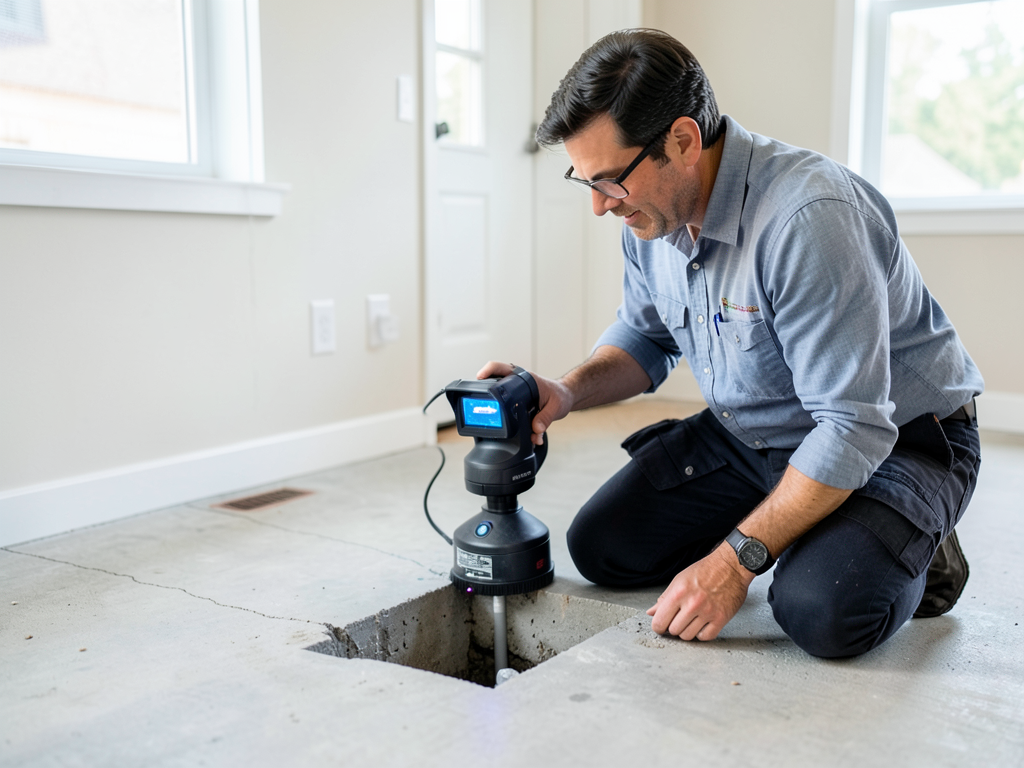
Professional leak detection uses acoustic sensors and thermal imaging to pinpoint leaks without destructive testing. Technicians listen for the specific frequency of water escaping under pressure. Thermal cameras detect temperature variations caused by hot or cold water leaks beneath concrete. This non-invasive approach saves thousands in unnecessary demolition costs.
DIY methods often miss the leak source or cause additional damage. Jackhammering through concrete without knowing the exact location destroys flooring and may miss the actual leak. Professional equipment can detect leaks through multiple layers of flooring and concrete with accuracy within inches.
The cost of professional detection typically ranges from $200 to $500, while unnecessary demolition and repair can exceed $5,000. Insurance companies often require professional documentation before approving foundation repairs. The small upfront investment in professional detection protects your claim and ensures accurate repairs.
Insurance Coverage for Slab Leak Damage
Most homeowners insurance policies cover sudden and accidental water damage but exclude long-term leaks. The key distinction is whether the leak was gradual or sudden. Sudden pipe bursts receive full coverage, while slow leaks over months may be denied. Document the exact discovery date and take immediate action to maximize coverage.
California insurance law requires coverage for resulting damage even if the source pipe is excluded. If a slab leak damages flooring, walls, or personal property, those damages are typically covered. The tear-out and replacement of damaged materials fall under most policies’ water damage provisions.
Professional restoration companies work directly with insurance adjusters, providing detailed documentation and damage assessments. This coordination speeds claim processing and ensures you receive full coverage for all necessary repairs. Never accept a settlement without professional review of the damage scope.
Restoration Process After Leak Repair
Once the leak is repaired, the restoration process begins. Water-damaged subfloors require complete drying before repairs begin. Moisture meters measure moisture content in wood and concrete, ensuring materials reach safe levels before reconstruction. Rushing this step leads to mold growth and structural weakness.. Read more about The Truth About Drying Out Wet Carpet in Your Linda Vista Rental.
Demolition removes damaged materials down to the slab. This includes flooring, baseboards, and sometimes drywall if water traveled upward. The exposed area gets treated with antimicrobial solutions to prevent mold growth. Professional drying equipment runs for several days to remove embedded moisture.
Reconstruction follows IICRC S500 standards for water damage restoration. This industry standard requires specific drying times, moisture content levels, and cleaning procedures. Skipping these steps voids warranties and creates health hazards. Professional restoration ensures your home returns to pre-loss condition safely. IICRC S500 water damage restoration standards.
Preventing Future Slab Leaks
Regular plumbing inspections catch early warning signs before catastrophic failure. Technicians check for corrosion, pressure issues, and pipe movement. Annual inspections cost around $150 but can prevent $10,000+ in damage. The small investment provides peace of mind and early detection.
Water pressure regulators protect pipes from excessive pressure that causes leaks. San Diego’s water system often runs above 80 psi, while pipes are designed for 60 psi maximum. Installing a regulator at the main line extends pipe life by reducing stress on fittings and joints.. Read more about Common Causes of Standing Water in Bay Park Crawl Spaces.
Hard water treatment reduces mineral buildup that causes corrosion. Water softeners remove calcium and magnesium that create scale inside pipes. This scale narrows pipe diameter, increasing pressure and creating weak spots. Softened water extends pipe life and improves water heater efficiency.
Frequently Asked Questions
How long does a slab leak take to cause foundation damage?
A slab leak can cause visible foundation damage within 2-4 weeks of continuous water flow. The speed depends on water pressure, soil type, and slab thickness. Expansive clay soil accelerates damage by expanding when wet, creating upward pressure that cracks concrete.
Can I fix a slab leak myself?
DIY slab leak repair is not recommended due to the complexity and risk of further damage. Professional detection equipment locates the exact leak source, while improper jackhammering can damage structural elements. The cost of professional repair is far less than correcting DIY mistakes.
Will my insurance cover the entire repair cost?
Insurance coverage depends on the leak’s cause and your policy terms. Sudden pipe bursts are typically covered, while gradual leaks may be excluded. Most policies cover resulting damage to floors, walls, and personal property even if the pipe itself isn’t covered.
How much does slab leak repair cost in Clairemont?
Slab leak repair costs in Clairemont range from $1,500 to $5,000 depending on leak location, access difficulty, and repair method. Additional costs for flooring replacement, drywall repair, and water damage restoration can double the total expense.
What causes slab leaks in older Clairemont homes?
Older Clairemont homes experience slab leaks due to copper pipe corrosion from hard water, soil expansion and contraction, and electrolysis between dissimilar metals. Homes built between 1950-1970 are particularly vulnerable due to outdated plumbing materials and installation methods.
Don’t wait for visible damage to appear. Call (858) 203-2555 today to schedule your inspection and protect your Clairemont home from costly foundation damage. Our 24/7 emergency service ensures rapid response when every minute counts. Rapid response pipe burst repair in Pacific Beach.
{
“@context”: “https://schema.org”,
“@type”: “BlogPosting”,
“headline”: “How Clairemont Residents Can Spot a Slab Leak Before it Destroys the Foundation”,
“description”: “Learn the 5 warning signs of slab leaks in Clairemont homes and how to protect your foundation from costly damage. Call (858) 203-2555 for 24/7 emergency service.”,
“wordCount”: 1440,
“datePublished”: “2026-03-12T14:59:00.000Z”,
“dateModified”: “2026-03-12T14:59:00.000Z”,
“inLanguage”: “en-US”,
“mainEntityOfPage”: {
“@type”: “WebPage”,
“@id”: “https://keystonewaterdamagerestorationsandiego.com”
},
“publisher”: {
“@type”: “LocalBusiness”,
“name”: “Keystone Water Damage Restoration San Diego”,
“url”: “https://keystonewaterdamagerestorationsandiego.com”
},
“author”: {
“@type”: “Organization”,
“name”: “Keystone Water Damage Restoration San Diego”,
“url”: “https://keystonewaterdamagerestorationsandiego.com”
},
“image”: {
“@type”: “ImageObject”,
“url”: “https://keystonewaterdamagerestorationsandiego.com/wp-content/uploads/2026/03/how-clairemont-residents-can-spot-a-slab-leak-befo-1.png”
}
}
{
“@context”: “https://schema.org”,
“@type”: “LocalBusiness”,
“name”: “Keystone Water Damage Restoration San Diego”,
“url”: “https://keystonewaterdamagerestorationsandiego.com”,
“address”: {
“@type”: “PostalAddress”,
“addressLocality”: “San Diego”
},
“areaServed”: {
“@type”: “City”,
“name”: “San Diego”
}
}
{
“@context”: “https://schema.org”,
“@type”: “FAQPage”,
“mainEntity”: [
{
“@type”: “Question”,
“name”: “How long does a slab leak take to cause foundation damage?”,
“acceptedAnswer”: {
“@type”: “Answer”,
“text”: “A slab leak can cause visible foundation damage within 2-4 weeks of continuous water flow. The speed depends on water pressure, soil type, and slab thickness. Expansive clay soil accelerates damage by expanding when wet, creating upward pressure that cracks concrete.”
}
},
{
“@type”: “Question”,
“name”: “Can I fix a slab leak myself?”,
“acceptedAnswer”: {
“@type”: “Answer”,
“text”: “DIY slab leak repair is not recommended due to the complexity and risk of further damage. Professional detection equipment locates the exact leak source, while improper jackhammering can damage structural elements. The cost of professional repair is far less than correcting DIY mistakes.”
}
},
{
“@type”: “Question”,
“name”: “Will my insurance cover the entire repair cost?”,
“acceptedAnswer”: {
“@type”: “Answer”,
“text”: “Insurance coverage depends on the leak’s cause and your policy terms. Sudden pipe bursts are typically covered, while gradual leaks may be excluded. Most policies cover resulting damage to floors, walls, and personal property even if the pipe itself isn’t covered.”
}
},
{
“@type”: “Question”,
“name”: “How much does slab leak repair cost in Clairemont?”,
“acceptedAnswer”: {
“@type”: “Answer”,
“text”: “Slab leak repair costs in Clairemont range from $1,500 to $5,000 depending on leak location, access difficulty, and repair method. Additional costs for flooring replacement, drywall repair, and water damage restoration can double the total expense.”
}
},
{
“@type”: “Question”,
“name”: “What causes slab leaks in older Clairemont homes?”,
“acceptedAnswer”: {
“@type”: “Answer”,
“text”: “Older Clairemont homes experience slab leaks due to copper pipe corrosion from hard water, soil expansion and contraction, and electrolysis between dissimilar metals. Homes built between 1950-1970 are particularly vulnerable due to outdated plumbing materials and installation methods.”
}
}
]
}
{
“@context”: “https://schema.org”,
“@type”: “BreadcrumbList”,
“itemListElement”: [
{
“@type”: “ListItem”,
“position”: 1,
“name”: “Home”,
“item”: “https://keystonewaterdamagerestorationsandiego.com”
},
{
“@type”: “ListItem”,
“position”: 2,
“name”: “Blog”,
“item”: “https://keystonewaterdamagerestorationsandiego.com/blog”
},
{
“@type”: “ListItem”,
“position”: 3,
“name”: “How Clairemont Residents Can Spot a Slab Leak Before it Destroys the Foundation”
}
]
}
{
“@context”: “https://schema.org”,
“@type”: “Service”,
“serviceType”: “Water Damage Restoration”,
“provider”: {
“@type”: “LocalBusiness”,
“name”: “Keystone Water Damage Restoration San Diego”,
“url”: “https://keystonewaterdamagerestorationsandiego.com”
},
“areaServed”: {
“@type”: “City”,
“name”: “San Diego”
},
“description”: “Learn the 5 warning signs of slab leaks in Clairemont homes and how to protect your foundation from costly damage. Call (858) 203-2555 for 24/7 emergency service.”
}