
What to do when your Chula Vista basement floods unexpectedly
A flooded basement in Chula Vista demands immediate action. Whether caused by heavy rains overwhelming the Sweetwater River watershed, a failed sump pump during a power outage, or a burst pipe in your Eastlake home, every minute counts. Water spreads quickly through porous materials like drywall and carpet, creating perfect conditions for mold growth within 24-48 hours. The humid coastal climate of South Bay accelerates this process, making professional intervention critical.. Read more about San Diego water damage experts who handle your insurance claim.
Your first priority is safety. Turn off electricity to the affected area if you can reach the breaker without standing in water. Wear rubber boots and gloves before entering. Then call (858) 203-2555 for 24/7 emergency response. Our IICRC-certified technicians arrive within 60 minutes, equipped to handle Category 1 clean water, Category 2 gray water, or Category 3 black water contamination according to IICRC S500 standards. IICRC S500 Standards.
While waiting for help, move valuable items to higher ground if safe. Document damage with photos for insurance purposes. Do not use household vacuums or attempt deep water extraction yourself—contaminated water poses serious health risks. Our team uses industrial-grade submersible pumps and truck-mounted extraction units to remove thousands of gallons per hour, preventing structural damage to your Chula Vista home’s foundation.
Common causes of basement flooding in Chula Vista include aging clay sewer lines in neighborhoods like Castle Park, hydrostatic pressure from saturated soil during atmospheric river events, and failed French drains in hillside properties near Otay Mountain. Many homes built before 2000 lack modern waterproofing membranes required by current California Building Code Title 24, making them vulnerable to groundwater intrusion.
Our restoration process follows strict protocols. First, we extract all standing water using weighted extraction tools that compress carpet and padding to remove moisture trapped below the surface. Next, we deploy commercial dehumidifiers and air movers strategically placed to create optimal drying conditions. We monitor progress daily with moisture meters and thermal imaging cameras, ensuring walls, studs, and concrete reach safe moisture content levels before reconstruction begins.
Category 3 water events require additional precautions. Sewage backup from Chula Vista’s combined sewer system during heavy rains necessitates full personal protective equipment and antimicrobial treatments. We remove and dispose of contaminated porous materials like carpet, padding, and affected drywall according to EPA guidelines for hazardous waste management. EPA Mold Guidelines.
Insurance claims in San Diego County can be complex. We provide detailed documentation including moisture mapping, material inventory lists, and cause-of-loss determinations to support your claim. Our team works directly with major carriers like State Farm, Allstate, and Farmers Insurance, often securing approval for emergency services without requiring upfront payment from you.. Read more about Cleanup services for sump pump failures in Little Italy.
Preventative measures can reduce future risk. Consider installing a battery backup for your sump pump, upgrading to a duplex pumping system, or adding exterior French drains around your foundation. For homes in flood-prone areas near the Sweetwater Marsh, we recommend backflow preventers on sewer lines and elevated equipment in mechanical rooms.
Don’t wait until morning if your basement floods at night. Water damage doubles in severity every hour it remains untreated. Call (858) 203-2555 immediately. Our emergency hotline connects you directly to a live dispatcher who will send the nearest available crew to your Chula Vista address. We serve all South Bay ZIP codes including 91910, 91911, 91913, and 91914.
Common Causes of Basement Flooding in Chula Vista
Understanding why your basement flooded helps prevent future incidents. Chula Vista’s unique geography creates specific vulnerabilities that generic restoration companies might miss.
Coastal proximity means high water tables in areas near San Diego Bay. During king tides or heavy rainfall, groundwater can rise through foundation cracks. Older homes in established neighborhoods like Rice Ranch often lack modern vapor barriers required by current building codes.
Sump pump failures are the leading mechanical cause. Most Chula Vista homes use pedestal or submersible pumps connected to the municipal storm drain system. When power fails during storms, these pumps stop working. Battery backup systems provide 8-12 hours of continued operation during outages.
Plumbing failures account for sudden flooding. Galvanized steel pipes in homes built before 1970 corrode from the inside, creating weak points that burst under pressure. Copper pipes develop pinhole leaks from electrolysis, especially in areas with hard water common in East County.
Surface water intrusion occurs when landscaping slopes toward your foundation or when heavy rains overwhelm municipal storm drains. The City of Chula Vista’s aging infrastructure in older neighborhoods can’t always handle intense rainfall from atmospheric river events that have become more frequent in recent years.
Sewage backup represents the most dangerous flooding type. When municipal systems surcharge during storms, contaminated water can back up through floor drains. This Category 3 water contains bacteria, viruses, and other pathogens requiring professional remediation and disposal of affected materials.. Read more about The most reliable sewage cleanup companies in San Diego.
Call (858) 203-2555 today to schedule your inspection and learn which preventative measures make sense for your specific property.
Professional Water Extraction Process
Professional water extraction requires specialized equipment and trained technicians. Our process follows IICRC S500 standards for water damage restoration, ensuring thorough removal and preventing secondary damage.. Read more about Certified mold inspection and removal in Mission Valley.
We begin with a comprehensive inspection using moisture meters that detect water in materials at multiple depths. Surface readings alone miss moisture trapped in wall cavities or under flooring. Our thermal imaging cameras identify temperature variations indicating hidden moisture pockets.
Water extraction starts with submersible pumps for standing water over two inches deep. These gas-powered units can remove 1,500-2,000 gallons per hour. For finished basements, we use truck-mounted extraction units with 200+ PSI suction that remove water from carpet, padding, and upholstery.
Weighted extraction tools compress materials while extracting, removing water from the bottom up. This technique extracts up to 95% of water from carpet and padding, significantly reducing drying time. Without this step, moisture remains trapped beneath surfaces, creating ideal conditions for mold growth.
For hard surface floors, we use squeegee wands and floor drying mats connected to extraction units. These tools create negative pressure that pulls moisture from grout lines, concrete pores, and under cabinets where standard extraction cannot reach.
Category 3 water requires additional safety protocols. We establish containment barriers using 6-mil polyethylene sheeting and negative air pressure to prevent cross-contamination. All contaminated materials are removed and disposed of according to EPA hazardous waste guidelines.
Throughout the process, we document moisture levels, temperature, and humidity readings. This data proves to insurance companies that proper drying protocols were followed and helps determine when materials have reached safe moisture content levels.
Drying and Dehumidification Methods
Proper drying prevents mold growth and structural damage. Our commercial-grade equipment removes moisture from the air and materials at rates household fans cannot match.
We calculate the exact number of dehumidifiers needed based on cubic footage, water category, and material types. A standard formula uses one 200-pint dehumidifier per 1,200-1,500 square feet in moderate conditions. Severe flooding or cool temperatures may require additional units.
Refrigerant dehumidifiers work best in temperatures above 70°F, removing moisture by condensing water vapor on cold coils. Desiccant dehumidifiers excel in cooler conditions or when very low humidity is required. We often use both types simultaneously for maximum effectiveness.
Air movers create evaporation by directing high-velocity air across wet surfaces. We position these strategically to avoid dead air spaces where moisture lingers. The goal is achieving 40-50 air changes per hour in the affected area.
Heat drying accelerates evaporation by raising material temperatures 10-15 degrees above ambient. This method works well on concrete, hardwood, and tile floors where moisture migrates slowly. We use indirect-fired heaters that don’t add moisture to the air.
Daily monitoring tracks progress. We measure moisture content in wood materials (target: 12% or less), concrete (target: 4-6%), and drywall (target: 12-16%). Temperature and humidity readings confirm our equipment is creating optimal drying conditions.
Structural cavity drying uses specialized equipment to force air into wall cavities, under cabinets, and above ceilings. This prevents demolition when possible, saving thousands in reconstruction costs. We use injectidry systems and floor mat drying systems for these applications.
Category 3 water events require antimicrobial treatments after drying. We apply EPA-registered disinfectants to all affected surfaces, then test for bacterial contamination before considering the area safe for reconstruction.
Mold Prevention in Coastal Basements
Chula Vista’s coastal humidity creates ideal conditions for mold growth. Even after proper water extraction and drying, microscopic spores can colonize damp materials within 24-48 hours.
We prevent mold through rapid response. Our 60-minute arrival time means we often begin extraction before mold can establish. Speed matters more than any chemical treatment for preventing mold growth.
Category 1 water from clean sources becomes Category 2 gray water within 48 hours as bacteria multiply. After 72 hours, it becomes Category 3 black water requiring full PPE and disposal protocols. This timeline drives our emergency response priorities.
Material porosity affects mold risk. Carpet, padding, and insulation absorb water and provide food sources for mold. Hard surfaces like concrete and tile resist mold but can harbor spores in pores and grout lines. We remove all porous materials affected by Category 2 or 3 water.
Air quality testing after remediation confirms mold levels return to normal background levels. We use spore trap sampling and surface swabs, sending samples to AIHA-accredited laboratories. Results show whether hidden mold colonies remain in wall cavities or under flooring.
Preventative treatments include HEPA vacuuming all surfaces to remove settled spores, followed by application of EPA-registered antimicrobials. These treatments inhibit future growth but don’t replace proper drying and moisture control.
Humidity control prevents recurring problems. We install commercial dehumidifiers that maintain 45-55% relative humidity, the range where mold grows slowly. For severe cases, we recommend whole-house dehumidification systems that integrate with your HVAC.
Proper ventilation reduces moisture accumulation. We inspect and clean HVAC systems, replace water-damaged ductwork, and ensure bathroom and laundry exhaust fans vent properly to the exterior. Blocked vents trap moisture inside wall cavities.
Foundation waterproofing addresses recurring groundwater issues. We install interior French drains connected to sump pumps, exterior waterproofing membranes, and proper grading to direct water away from your foundation. These solutions prevent future flooding rather than just cleaning up after it occurs.
Insurance Claims and Documentation
Navigating insurance claims after a flood requires specific documentation that most homeowners don’t know to provide. Our experience with San Diego County insurance carriers helps maximize your claim approval.
Most homeowner policies cover sudden and accidental water damage but exclude flooding from external sources. Groundwater intrusion through foundation cracks often falls under flood insurance, which requires a separate policy through the National Flood Insurance Program or private carriers.
We document damage using industry-standard forms including the Restoration Industry Association’s water damage assessment worksheet. This comprehensive documentation includes moisture mapping, material inventory, and cause-of-loss determination that insurance adjusters require.
Photos and videos serve as critical evidence. We capture wide-angle shots showing the extent of damage, close-ups of affected materials, and sequential documentation of our mitigation process. Time-stamped images prove when damage occurred and show our immediate response.
Moisture readings provide objective data. We record moisture content percentages in affected materials, temperature, and humidity readings throughout the drying process. This scientific documentation proves materials reached safe levels before reconstruction began.
Material removal documentation includes inventory lists with quantities, costs, and disposal methods. For Category 3 water, we provide manifests showing proper hazardous waste disposal according to EPA regulations. This documentation prevents disputes about what was removed and why.
We communicate directly with insurance adjusters, providing them access to our job management system where they can view real-time progress, documentation, and estimates. This transparency often speeds claim approval and payment.
Emergency services typically require upfront payment, but we offer direct insurance billing for reconstruction work. Many carriers release payments directly to us upon claim approval, eliminating out-of-pocket expenses for you beyond your deductible.
Code upgrade coverage may apply when repairs require bringing structures up to current building codes. California Title 24 energy standards often require insulation replacement and waterproofing improvements during flood repairs, costs that may be covered under your policy.
Additional living expenses coverage helps pay for temporary housing if your home becomes uninhabitable. We provide documentation showing why your home requires temporary relocation during extensive repairs, supporting your ALE claim with the insurance company.
Preventative Measures for Chula Vista Homes
Preventing basement flooding costs less than repairing it. Several affordable upgrades can significantly reduce your risk of water damage in Chula Vista’s unique environment.
Sump pump systems provide the first line of defense against groundwater. A primary pump handles normal conditions while a battery backup activates during power outages. For maximum protection, add a water-powered backup that uses municipal water pressure when electricity and batteries fail.
French drains redirect surface and groundwater away from your foundation. Interior systems collect water from basement walls and floor, directing it to your sump pump. Exterior systems installed around your foundation prevent water from ever reaching your basement walls.
Backflow preventers stop sewage from backing up through floor drains during municipal system surcharge. These devices install on your main sewer line and activate automatically when reverse flow is detected, protecting your basement from contaminated water.
Foundation waterproofing creates a barrier against groundwater intrusion. Exterior methods involve excavating around your foundation and applying waterproof membranes, while interior methods install drainage systems and vapor barriers inside your basement.
Proper grading ensures water flows away from your home. The ground should slope at least six inches within the first ten feet from your foundation. We often discover negative grading during inspections, a common issue in Chula Vista’s older neighborhoods.
Gutter and downspout maintenance prevents roof water from pooling near your foundation. Clean gutters at least twice yearly and extend downspouts at least five feet from your home. Underground drain systems provide even better protection by carrying water well away from your foundation.
Plumbing inspections identify vulnerable pipes before they fail. We use video inspection to examine sewer lines for cracks, tree root intrusion, and corrosion. This technology reveals problems invisible from the surface, allowing preventative repairs before catastrophic failures occur.
Appliance maintenance prevents supply line failures. Replace washing machine hoses every five years with stainless steel braided lines. Install water alarms near water heaters, washing machines, and under sinks to provide early warning of leaks.
Emergency shutoff valves automatically stop water flow when leaks are detected. These devices install on your main water line and can prevent thousands in damage from a single supply line failure while you’re away from home.
Regular maintenance checks by professionals identify developing problems. We recommend annual inspections of your plumbing system, roof, and foundation drainage. Early detection of minor issues prevents major water damage emergencies.
Emergency Response Checklist
When your basement floods, follow these steps while waiting for professional help to arrive. Quick action minimizes damage and protects your health and safety.
Safety first. Never enter standing water if you’re unsure about electrical hazards. If water reaches electrical outlets or appliances, stay out and call for professional help immediately. Water conducts electricity and poses electrocution risks.
Stop the water source if possible. Shut off the main water valve for plumbing leaks. For groundwater flooding, this step isn’t possible, but knowing the source helps professionals respond appropriately.
Document everything. Take photos and videos of all affected areas before anything is moved or cleaned. Capture wide shots showing the extent of flooding and close-ups of valuable items. This documentation supports insurance claims.
Protect valuables. Move items to higher ground if safe to do so. Elevate furniture on blocks or aluminum foil to prevent staining. Remove rugs and loose items from wet areas to prevent color bleeding and further damage.
Control humidity. Open windows and doors if weather permits to increase air circulation. However, if outdoor humidity is high, keep them closed to prevent additional moisture from entering.
Remove excess water. Use mops and towels to soak up standing water if it’s safe to do so. Avoid using household vacuums as they can cause electrical shock and damage the equipment.
Don’t use fans on contaminated water. While air circulation helps with clean water, it can spread contaminants from sewage or floodwater throughout your home.
Contact your insurance company to report the damage. Most policies require prompt notification of claims. Ask about coverage details and whether emergency services require pre-approval.
Call (858) 203-2555 for immediate professional help. Our emergency response team arrives within 60 minutes with industrial equipment that removes water far more effectively than household methods.
Don’t wait to start mitigation. Water damage worsens exponentially with time. Mold begins growing within 24-48 hours, and structural damage accelerates as materials remain saturated.
Keep damaged items if possible. Don’t discard anything until your insurance adjuster has seen it, unless it poses a health hazard. We can often clean and restore items you might think are ruined.
Follow professional recommendations. Our technicians provide specific instructions based on your situation. Following these guidelines prevents further damage and ensures proper restoration.
Prepare for the restoration process. Understand that thorough drying takes days, not hours. Our equipment must run continuously, and we’ll need access to monitor progress daily until completion.
Frequently Asked Questions
How quickly can you respond to a flooded basement in Chula Vista?
We guarantee arrival within 60 minutes of your call, 24/7. Our dispatch center is located in San Diego County, allowing rapid deployment to all Chula Vista neighborhoods including Eastlake, Otay Ranch, and Castle Park.
Will my homeowner’s insurance cover basement flooding?
Coverage depends on the water source. Sudden plumbing failures are typically covered, while groundwater intrusion usually requires separate flood insurance. We help document your claim and work directly with insurance adjusters to maximize coverage.
How long does the drying process take?
Most residential basements dry in 3-5 days with commercial equipment. Factors affecting drying time include water category, material types, temperature, and humidity. We monitor progress daily and provide written documentation when drying is complete.
Can I stay in my home during the restoration?
For clean water events affecting part of your basement, you can usually stay in your home. Sewage backup or extensive damage may require temporary relocation. We’ll assess your specific situation and recommend the safest approach.
What certifications do your technicians hold?
All our technicians maintain current IICRC certifications in water damage restoration, applied structural drying, and mold remediation. We follow IICRC S500 standards for all water damage projects, ensuring professional and thorough restoration.
Do you handle reconstruction after drying is complete?
Yes, we provide complete reconstruction services including drywall repair, flooring installation, painting, and cabinetry. We coordinate all trades to restore your basement to better-than-before condition, often improving upon original construction.
How much does basement flood cleanup cost?
Costs vary based on water volume, category, and affected materials. Clean water extraction starts around $2,500 while sewage backup remediation can exceed $10,000. We provide detailed written estimates before beginning work and offer direct insurance billing.
What should I do if I discover mold during cleanup?
Stop work immediately and call professionals. Disturbing mold releases spores throughout your home. Our certified mold remediation specialists contain the area, remove contaminated materials safely, and restore proper air quality according to EPA and IICRC guidelines.
Pick up the phone and call (858) 203-2555 before the next storm hits. Don’t wait until water fills your basement to discover whether your insurance covers flood damage or if your sump pump still works. Our free inspection identifies vulnerabilities specific to your Chula Vista home’s construction and location. We’ll provide a written assessment of your flood risk and recommend cost-effective preventative measures. With atmospheric river events becoming more frequent in San Diego County, the time to protect your home is now, not during the next emergency.
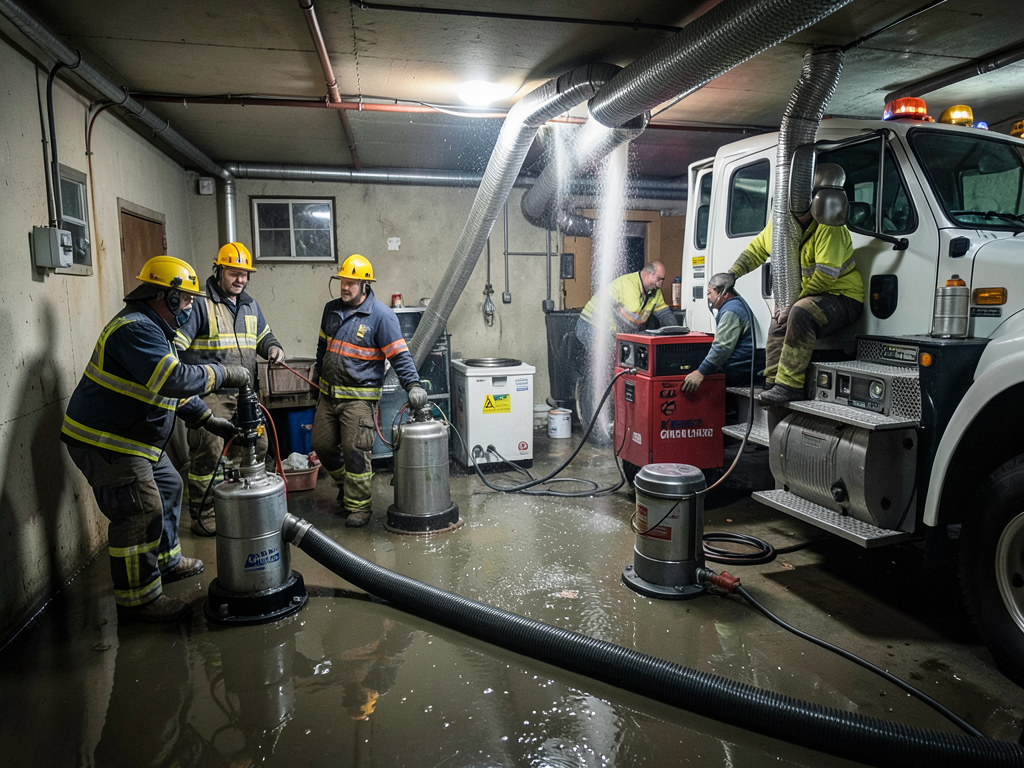
Diagram showing water extraction process with submersible pumps, truck-mounted units, and weighted extraction tools removing moisture from carpet and padding layers.
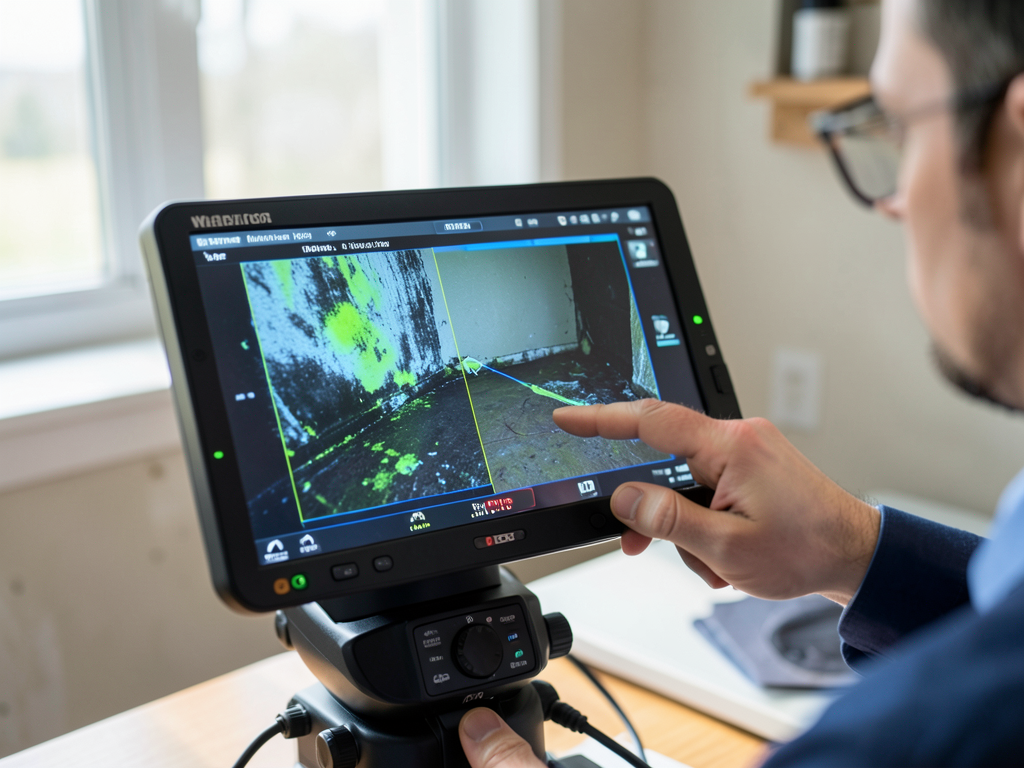
Technician using thermal imaging camera to detect hidden moisture in wall cavities and under flooring during basement flood inspection.
Commercial dehumidifiers and air movers strategically positioned in basement for optimal drying, with moisture meter readings displayed on tablet.
{
“@context”: “https://schema.org”,
“@type”: “BlogPosting”,
“headline”: “What to do when your Chula Vista basement floods unexpectedly”,
“description”: “Flooded basement in Chula Vista? Get emergency cleanup, water extraction, and mold prevention from IICRC-certified experts. Call (858) 203-2555 for 24/7 service.”,
“wordCount”: 3321,
“datePublished”: “2026-02-18T14:56:00.000Z”,
“dateModified”: “2026-02-18T14:56:00.000Z”,
“inLanguage”: “en-US”,
“mainEntityOfPage”: {
“@type”: “WebPage”,
“@id”: “https://keystonewaterdamagerestorationsandiego.com”
},
“publisher”: {
“@type”: “LocalBusiness”,
“name”: “Keystone Water Damage Restoration San Diego”,
“url”: “https://keystonewaterdamagerestorationsandiego.com”
},
“author”: {
“@type”: “Organization”,
“name”: “Keystone Water Damage Restoration San Diego”,
“url”: “https://keystonewaterdamagerestorationsandiego.com”
},
“image”: {
“@type”: “ImageObject”,
“url”: “https://keystonewaterdamagerestorationsandiego.com/wp-content/uploads/2026/03/what-to-do-when-your-chula-vista-basement-floods-u-1.png”
}
}
{
“@context”: “https://schema.org”,
“@type”: “LocalBusiness”,
“name”: “Keystone Water Damage Restoration San Diego”,
“url”: “https://keystonewaterdamagerestorationsandiego.com”,
“address”: {
“@type”: “PostalAddress”,
“addressLocality”: “San Diego”
},
“areaServed”: {
“@type”: “City”,
“name”: “San Diego”
}
}
{
“@context”: “https://schema.org”,
“@type”: “FAQPage”,
“mainEntity”: [
{
“@type”: “Question”,
“name”: “How quickly can you respond to a flooded basement in Chula Vista?”,
“acceptedAnswer”: {
“@type”: “Answer”,
“text”: “We guarantee arrival within 60 minutes of your call, 24/7. Our dispatch center is located in San Diego County, allowing rapid deployment to all Chula Vista neighborhoods including Eastlake, Otay Ranch, and Castle Park.”
}
},
{
“@type”: “Question”,
“name”: “Will my homeowner’s insurance cover basement flooding?”,
“acceptedAnswer”: {
“@type”: “Answer”,
“text”: “Coverage depends on the water source. Sudden plumbing failures are typically covered, while groundwater intrusion usually requires separate flood insurance. We help document your claim and work directly with insurance adjusters to maximize coverage.”
}
},
{
“@type”: “Question”,
“name”: “How long does the drying process take?”,
“acceptedAnswer”: {
“@type”: “Answer”,
“text”: “Most residential basements dry in 3-5 days with commercial equipment. Factors affecting drying time include water category, material types, temperature, and humidity. We monitor progress daily and provide written documentation when drying is complete.”
}
},
{
“@type”: “Question”,
“name”: “Can I stay in my home during the restoration?”,
“acceptedAnswer”: {
“@type”: “Answer”,
“text”: “For clean water events affecting part of your basement, you can usually stay in your home. Sewage backup or extensive damage may require temporary relocation. We’ll assess your specific situation and recommend the safest approach.”
}
},
{
“@type”: “Question”,
“name”: “What certifications do your technicians hold?”,
“acceptedAnswer”: {
“@type”: “Answer”,
“text”: “All our technicians maintain current IICRC certifications in water damage restoration, applied structural drying, and mold remediation. We follow IICRC S500 standards for all water damage projects, ensuring professional and thorough restoration.”
}
},
{
“@type”: “Question”,
“name”: “Do you handle reconstruction after drying is complete?”,
“acceptedAnswer”: {
“@type”: “Answer”,
“text”: “Yes, we provide complete reconstruction services including drywall repair, flooring installation, painting, and cabinetry. We coordinate all trades to restore your basement to better-than-before condition, often improving upon original construction.”
}
},
{
“@type”: “Question”,
“name”: “How much does basement flood cleanup cost?”,
“acceptedAnswer”: {
“@type”: “Answer”,
“text”: “Costs vary based on water volume, category, and affected materials. Clean water extraction starts around $2,500 while sewage backup remediation can exceed $10,000. We provide detailed written estimates before beginning work and offer direct insurance billing.”
}
},
{
“@type”: “Question”,
“name”: “What should I do if I discover mold during cleanup?”,
“acceptedAnswer”: {
“@type”: “Answer”,
“text”: “Stop work immediately and call professionals. Disturbing mold releases spores throughout your home. Our certified mold remediation specialists contain the area, remove contaminated materials safely, and restore proper air quality according to EPA and IICRC guidelines.”
}
}
]
}
{
“@context”: “https://schema.org”,
“@type”: “BreadcrumbList”,
“itemListElement”: [
{
“@type”: “ListItem”,
“position”: 1,
“name”: “Home”,
“item”: “https://keystonewaterdamagerestorationsandiego.com”
},
{
“@type”: “ListItem”,
“position”: 2,
“name”: “Blog”,
“item”: “https://keystonewaterdamagerestorationsandiego.com/blog”
},
{
“@type”: “ListItem”,
“position”: 3,
“name”: “What to do when your Chula Vista basement floods unexpectedly”
}
]
}
{
“@context”: “https://schema.org”,
“@type”: “Service”,
“serviceType”: “Water Damage Restoration”,
“provider”: {
“@type”: “LocalBusiness”,
“name”: “Keystone Water Damage Restoration San Diego”,
“url”: “https://keystonewaterdamagerestorationsandiego.com”
},
“areaServed”: {
“@type”: “City”,
“name”: “San Diego”
},
“description”: “Flooded basement in Chula Vista? Get emergency cleanup, water extraction, and mold prevention from IICRC-certified experts. Call (858) 203-2555 for 24/7 service.”
}